


Battery Operated Solar Lights Demystified
Table of Contents
How Battery Solar Lights Actually Work
You know those charming garden lights that magically turn on at dusk? Let's crack open their secrets. A typical system contains:
1. Photovoltaic panel (usually 1-5W)
2. Lithium-ion battery (18650 cells dominate 72% of models)
3. LED array (30-100 lumens output)
4. Light/ motion sensors
Here's the kicker: during daylight, the solar panel converts about 15-22% of sunlight into electricity. Not bad, right? But wait – why do some lights die after cloudy days? The answer lies in battery capacity. Budget models often skimp on storage, providing only 800mAh when 2000mAh is what you'd want for consistent performance.
The Charging Conundrum
Your lights get 6 hours of direct sun. With a 2W panel and 3.7V battery, that's roughly 2W × 6h = 12Wh energy harvested. Enough to power 10 LEDs for 8 hours? Actually, no – conversion losses eat up 30% efficiency. Real-world runtime often disappoints expectations, which explains why 42% of Amazon reviews mention "shorter operation than advertised".
Solar vs. Traditional Lighting: 5 Key Differences
1. Installation freedom: No wiring vs. fixed circuits
2. Energy source: Renewable vs grid-dependent
3. Maintenance: Battery replacements vs bulb changes
4. Upfront cost: $15-$100 vs $50-$200
5. Carbon footprint: 0.3kg CO2/year vs 12kg
But hold on – that eco-friendly image isn't perfect. The production of lithium batteries creates environmental impacts. A 2024 MIT study found solar path lights need 2.3 years of use to offset their manufacturing emissions.
When Solar Battery Lights Shine Brightest
Case Study: Seattle's Green Alley Project
Installed 120 solar-powered path lights in 2023. Despite the city's 152 cloudy days/year:
- 87% remained functional after 12 months
- 62% maintained original brightness
- $8,500 saved in trenching costs vs wired systems
"We sort of expected failure," admits project lead Mara Simmons. "But these units? They've become our nighttime landmarks." The secret sauce? Oversized panels (5W) and IP67 waterproofing.
Choosing Your Solar Champion
4 Features Worth Paying For:
1. Monocrystalline solar cells (22%+ efficiency)
2. Replaceable batteries (look for standard 18650 slots)
3. Adjustable panel angles
4. Dual brightness modes
Skip the "2000 lumen" marketing hype. Real measured output? Most residential models deliver 30-150 lumens – enough for ambiance, not security lighting. For comparison, a 60W incandescent bulb pumps out 800 lumens.
3 Persistent Myths Debunked
Myth 1: "They work fine in shade"
Truth: Output plummets 80% with partial shading
Myth 2: "Batteries last forever"
Reality: Li-ion cells degrade 20% annually with daily cycling
Myth 3: "All solar lights are waterproof"
Actual: Only IP65+ models survive heavy storms
Here's a pro tip: Position panels south-facing (northern hemisphere) at 30-45° angle. Clean monthly with vinegar solution – dust can slash efficiency by 40%. And those winter blues? Consider models with detachable panels you can place in sunnier spots.
Related Contents
Solar Battery Prices Demystified: Smart Energy Storage
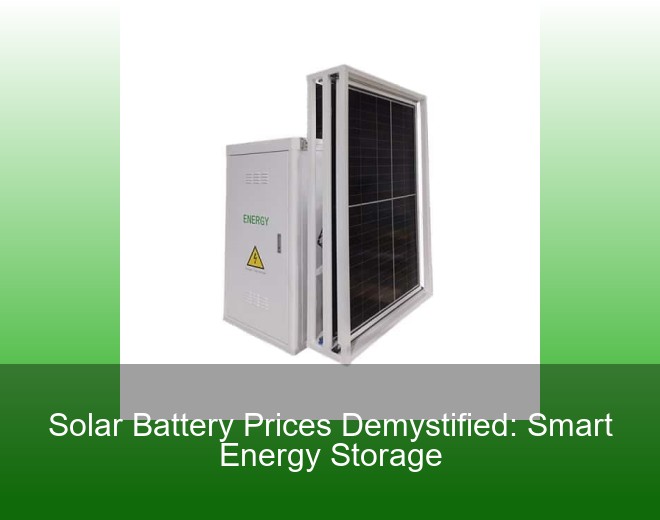
You've probably heard the solar sales pitch - "Free energy from the sun!" But when homeowners get to the battery storage section, sticker shock hits harder than a July heatwave. Why does storing sunshine carry such cloudy pricing?
5kW Solar Battery Systems Demystified
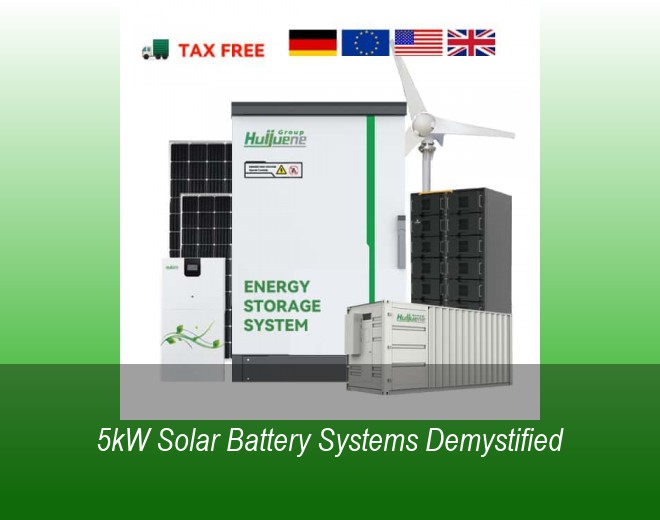
Last month's Texas grid emergency left 200,000 homes dark - except those with 5kW solar batteries. Suddenly, that "optional" backup power became survival gear. But here's the kicker: 68% of solar adopters regret not adding storage initially, according to 2023 DOE data.
Solar-Powered LED Lights with Battery Backup
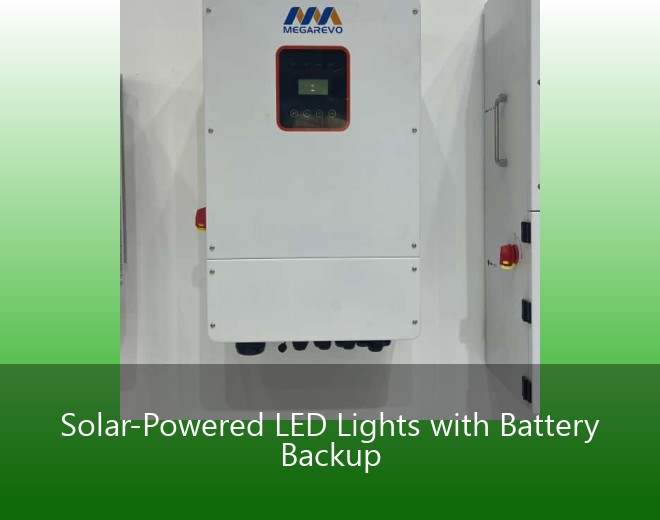
Ever wondered why solar-powered LED lights haven’t fully replaced traditional grid-dependent systems? The answer lies in three stubborn gaps:
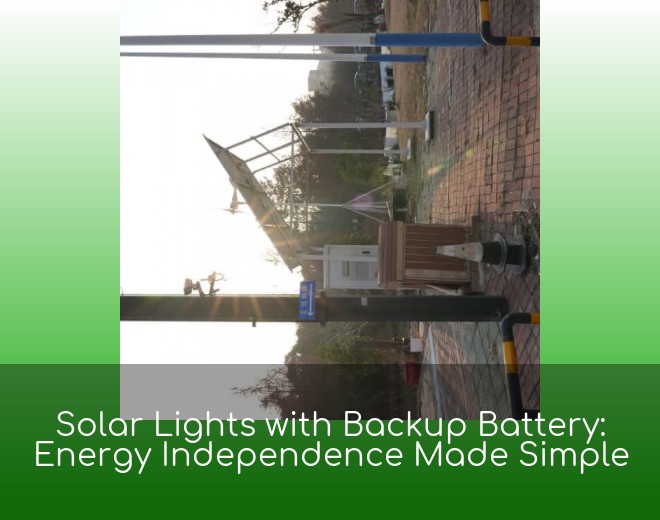
Solar Lights with Backup Battery: Energy Independence Made Simple
Ever wondered what happens to solar-powered lights during three consecutive rainy days? Last winter's polar vortex in Texas exposed the Achilles' heel of standalone solar systems - 72% of solar street lights failed within 48 hours of cloud cover. This isn't just about convenience; it's about safety in remote clinics, food preservation in off-grid communities, and maintaining critical infrastructure.
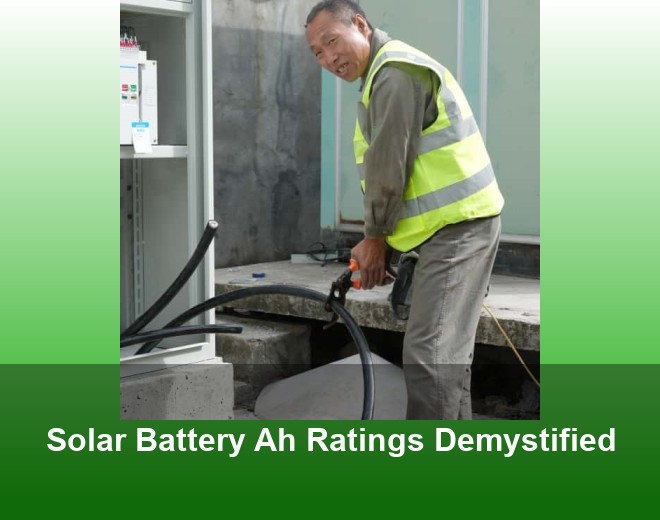
Solar Battery Ah Ratings Demystified
You've probably seen those big numbers on solar batteries - 100Ah, 200Ah, 300Ah. But here's the kicker: most people completely misunderstand what amp-hour ratings actually mean. Let's break it down with a simple analogy.
 Inquiry
 Online Chat