


Solar Power Costs in South Africa
Table of Contents
Energy Crisis Meets Solar Solutions
You've probably felt it - those frustrating hours during load shedding when the lights go out and the WiFi dies. Well, here's the kicker: South Africans installed over 4,700MW of rooftop solar in 2023 alone, according to recent Eskom reports. That's equivalent to three Medupi coal plants... but without the breakdowns.
Now, why does this matter? As we approach winter 2024, households are scrambling for alternatives. The average battery storage system costs have dropped 18% since last July, making solar-plus-storage solutions suddenly viable for middle-class families. Let me break down what's happening...
The Eskom Effect on Energy Choices
A Johannesburg family paid R120,000 for a 5kW solar system in 2022. Fast forward to today, and similar setups cost R85,000 with better lithium batteries. That's not just inflation - it's a market responding to desperate demand.
What Solar Panel Prices Really Look Like
Here's where things get interesting. Tier 1 polycrystalline panels now average R4.50/Watt in Cape Town, while premium monocrystalline models hover around R6.20/Watt. But wait, no - those are retail prices. Contractors working with suppliers like Huijue Group can actually get 480W bifacial panels for R5.80/Watt, installation included.
| System Size | 2022 Price | 2024 Price |
|---|---|---|
| 3kW Residential | R98,000 | R72,000 |
| 10kW Commercial | R310,000 | R235,000 |
The real story? Chinese manufacturers are flooding the market. Just last month, a Durban importer told me they're seeing 40-foot containers with 430W panels priced at $0.18/W - that's under R3.50/W before duties. Makes you wonder: How sustainable are these prices?
Battery Storage: The Hidden Game Changer
Let's say you've got panels but no battery system. You're essentially throwing away sunshine. The latest lithium-iron-phosphate (LiFePO4) batteries have 6,000+ cycle lifetimes - that's 15+ years of daily use. A 5kWh unit that cost R45,000 in 2021? Now selling for R28,900 at Builders Warehouse.
Lead-Acid vs Lithium: The Showdown
Most contractors will push lithium, but here's the thing: Deep-cycle lead-acid batteries still make sense for weekend cabins. At R1,800/kWh versus lithium's R5,700/kWh, they're cheaper upfront. But hold on - lithium lasts 4x longer. So which is better? Depends whether you're counting rands today or rands over a decade.
The Payback Period Equation
This is where most blogs get it wrong. They'll tell you a R150,000 system pays back in 7 years. Reality check: With Eskom's 18.65% tariff hike approved in February 2024, the math changed dramatically. Let's break it down:
- Average household consumption: 900kWh/month
- Current Eskom rate: R2.58/kWh
- Projected 2027 rate: R4.10/kWh
A properly sized solar + battery system could eliminate 90% of grid reliance. At current financing rates (11.5% interest), the break-even point drops from 8 years to 5.3 years. Suddenly, solar investment looks less like luxury and more like necessity.
Where Renewable Tech Is Heading
Just last week, a Stellenbosch startup unveiled solar roof tiles at R850/m² - comparable to conventional roofing. Meanwhile, Huawei's new hybrid inverters can prioritize charging EVs during peak sun hours. The lines between energy systems are blurring.
But here's my controversial take: The real disruption won't come from cheaper panels, but from AI-driven energy management. Imagine systems predicting load shedding schedules and pre-charging batteries accordingly. That's not sci-fi - Huawei's Luna system already does basic versions of this.
So where does that leave consumers? Probably overwhelmed. Which brings us back to basics: Get multiple quotes, demand CEC-certified installers, and remember - the cheapest option often becomes the most expensive in the long run. Your solar journey starts with understanding both solar costs and hidden value.
Related Contents
Solar Power Costs in South Africa
solar system prices in South Africa have become dinner table conversation since Eskom started playing hide-and-seek with our electricity. The average household in Johannesburg now spends R1,200 monthly on grid power that's about as reliable as a weather forecast. But here's the kicker: a 5kW solar setup that cost R150,000 in 2019 now goes for R95,000. Why the 37% drop? Well, it's sort of a perfect storm - Chinese manufacturing scaling up, our weak rand making local assembly competitive, and let's not forget those sneaky tax incentives.
Solar Power Solutions for South Africa
load shedding in South Africa isn't some temporary glitch. The national grid's been dancing on the edge for years, with power outages costing the economy R700 million per day according to 2023 stats. But here's the kicker: traditional generators? They're basically burning money while polluting our neighborhoods.
Solar Power Solutions in South Africa: Reliable Suppliers and Battery Innovations
It's 7 PM in Johannesburg, and half the neighborhood suddenly plunges into darkness – again. Solar lights flicker on in one house while others scramble for candles. This scene plays out daily across South Africa, where load-shedding reached Stage 8 last month, leaving homes without power for 10+ hours daily.
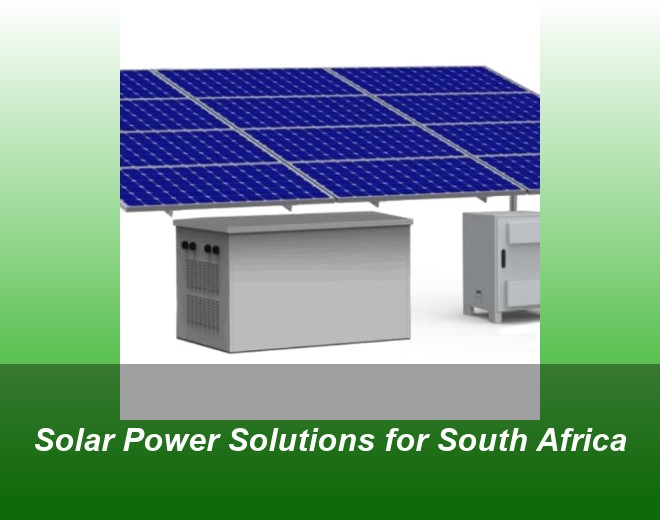
Solar Power Solutions for South Africa
You've probably heard about Eskom's rolling blackouts - 280 days of load shedding in 2023 alone. But here's the kicker: even when the grid works, over 30% of rural communities lack reliable electricity access. That's where solar battery systems become game-changers, particularly when paired with mobile lighting towers.
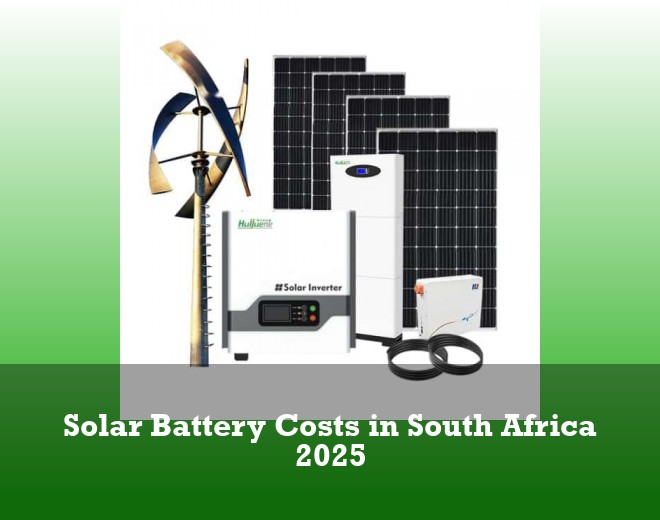
Solar Battery Costs in South Africa 2025
You know those endless load-shedding schedules? They're exactly why 63% of South African households now consider solar batteries non-negotiable. Eskom's 18% tariff hike in January 2025 pushed residential solar installations up by 40% year-on-year – the fastest growth rate in Sub-Saharan Africa.
 Inquiry
 Online Chat