


PowerSafe SBS: Revolutionizing Renewable Energy Storage
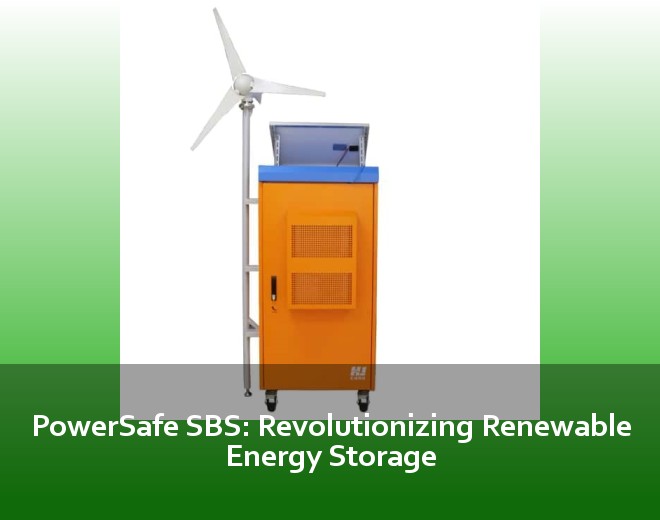
Table of Contents
Why Traditional Batteries Fail in Renewable Systems
You know what's ironic? We're racing to adopt solar power and wind energy, but 42% of renewable projects still rely on 20th-century battery tech. Last month, a Texas solar farm lost $1.2 million in potential revenue during peak sun hours - not from panel issues, but because their lead-acid batteries couldn't handle the 109°F heat.
Here's the kicker: Standard VRLA AGM batteries degrade 30% faster in temperatures above 95°F. In desert solar installations or tropical wind farms, that's like using a paper umbrella in a hurricane. The result? Frequent replacements, safety risks, and enough downtime to make any project manager lose sleep.
The Hidden Costs of "Good Enough"
Wait, no - let's rephrase that. It's not just about temperature. Modern renewable systems demand batteries that can:
- Charge rapidly during brief sunlight/wind windows
- Withstand daily deep cycling
- Maintain stability across -40°F to 176°F ranges
A Minnesota wind farm where batteries must handle -30°F winter nights and 90°F summer days. Conventional options? They'd be cycling through replacements faster than a Netflix drama cycles through cast members.
PowerSafe SBS: Built for Solar & Wind Challenges
Enter PowerSafe SBS - Enersys' answer to renewable storage headaches. Unlike standard AGM batteries struggling in extreme conditions, the SBS series combines military-grade durability with renewable-specific smarts. Their secret weapon? TPPL (Thin Plate Pure Lead) technology.
TPPL Technology: The Backbone of Reliability
Let's break this down. TPPL isn't your grandpa's lead-acid tech. By using ultra-pure lead and precision plate thickness (we're talking 0.07mm vs standard 1.6mm), these batteries achieve:
- 12,000+ cycles at 50% depth of discharge
- 90% capacity retention after 10 years
- Charge acceptance 3x faster than conventional AGM
In layman's terms? They're the Energizer Bunny of renewable storage - they keep going...and going...even when Mother Nature throws her worst tantrums.
Real-World Success in Harsh Environments
Take the SBS 410F model deployed in Arizona's Sonoran Desert. Facing 122°F surface temps and daily sandstorms, this installation has maintained 98.7% availability since 2023. How?
"The modular design let us scale from 500kWh to 2MWh without system redesign. We're seeing $0.08/kWh storage costs - unheard of in this climate."
- Project Lead, Sun Canyon Solar Farm
Arctic Proof: Alaska's Microgrid Miracle
Up north in Kotzebue, an SBS 190F array powers 300 homes through -50°F winters. The trick? Enersys' thermal management system that actually uses ambient cold to prevent sulfation. Who knew frost could be a battery's best friend?
Where Energy Storage Is Headed in 2025
With the recent Japan Smart Energy Week showcasing modular storage innovations, the industry's clearly shifting toward flexible systems. PowerSafe SBS's latest 5MWh containerized solution fits this trend perfectly - it's basically LEGO for utility-scale storage.
But here's a thought: As distributed generation grows, won't we need batteries that serve both grid-tied and off-grid roles? The SBS series' bi-directional capabilities suggest Enersys is already there. Their new hybrid inverters can switch modes in 2ms - faster than a hummingbird flaps its wings.
So what's next? With major players like BYD and CATL pushing lithium alternatives, lead-carbon solutions like PowerSafe SBS must keep innovating. But given their track record in extreme environments, I'd wager they'll stay relevant wherever renewables face tough conditions. After all, not every battery can laugh in the face of desert heat and say "Is that all you've got?"
Related Contents
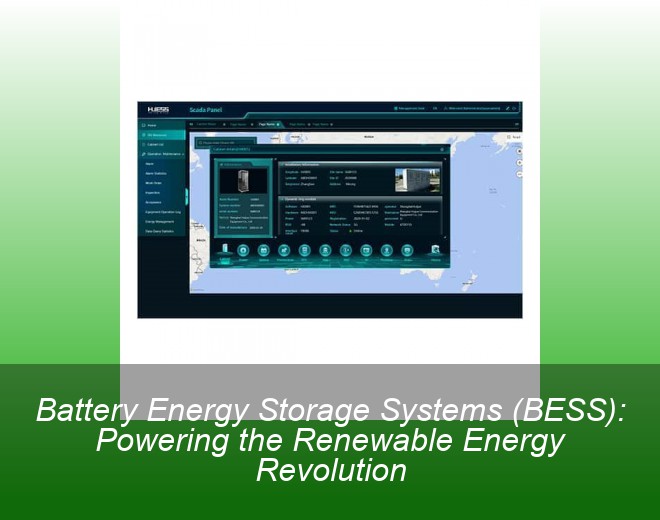
Battery Energy Storage Systems (BESS): Powering the Renewable Energy Revolution
Ever wondered why your solar panels stop working during blackouts? Battery Energy Storage Systems (BESS) hold the answer. With global renewable energy capacity growing 15% annually since 2020, the real challenge isn't generation—it's storing that clean power when the sun sets or winds die. Traditional grids lose up to 30% of renewable energy due to mismatched supply and demand cycles.
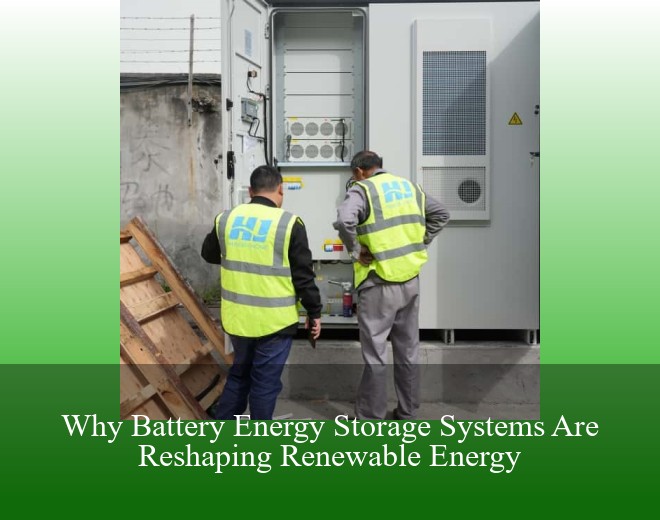
Why Battery Energy Storage Systems Are Reshaping Renewable Energy
We've all seen those stunning solar farms and wind turbines spinning like modern-day windmills. But here's the million-dollar question: How do we store this energy effectively when the sun isn't shining or the wind stops blowing? Enter Battery Energy Storage Systems (BESS) - the unsung heroes keeping your lights on during cloudy days.
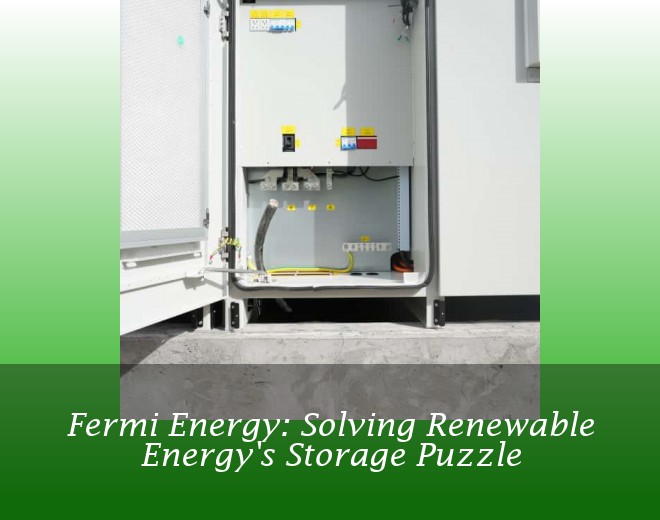
Fermi Energy: Solving Renewable Energy's Storage Puzzle
the renewable revolution's been stuck in second gear. While solar panel installations grew 35% globally last year, we're still wasting enough clean energy annually to power Germany for six months. The culprit? Our inability to store electrons effectively when the sun shines or wind blows.
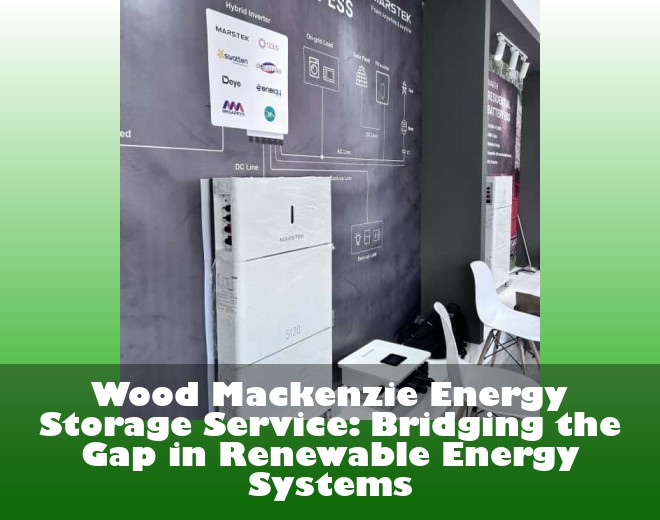
Wood Mackenzie Energy Storage Service: Bridging the Gap in Renewable Energy Systems
the renewable energy revolution has hit a wall. While solar panels now power 8% of U.S. homes and wind turbines dot landscapes globally, we're wasting enough clean electricity annually to power Brazil. That's where energy storage systems become the unsung heroes of decarbonization.
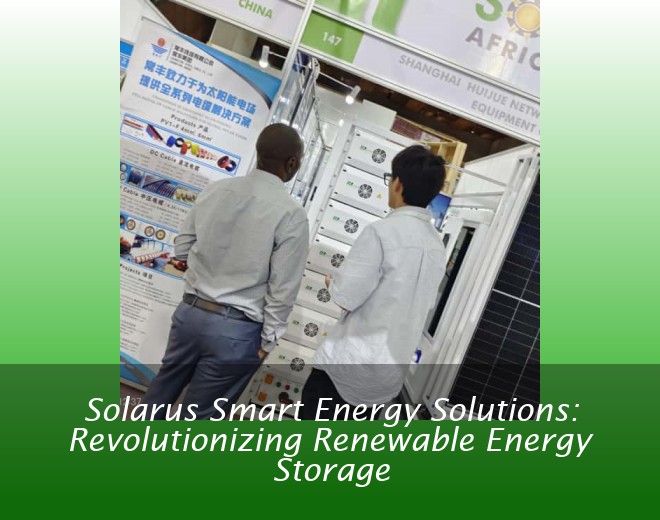
Solarus Smart Energy Solutions: Revolutionizing Renewable Energy Storage
Ever wondered why renewable energy hasn't completely replaced fossil fuels despite decades of development? The answer lies in what experts call the "sunset paradox" - solar panels stop generating when we need electricity most. In 2025, global energy storage capacity must increase by 300% to meet net-zero targets, yet current solutions barely scratch the surface.
 Inquiry
 Online Chat