


Solar Energy Storage Solutions: Powering Tomorrow
Table of Contents
Why Energy Storage Can't Wait
Ever tried charging your phone during a blackout? Now imagine that frustration multiplied across hospitals, factories, and entire cities. The global push for renewable energy integration has hit a critical roadblock - our grids weren't built for intermittent solar and wind power. In California alone, over 2.4 gigawatts of renewable energy got wasted last year due to inadequate storage capacity. That's enough electricity to power 180,000 homes!
The Duck Curve Quandary
Here's the kicker: Solar panels flood grids with midday power that often goes unused, while evenings see frantic scrambling to meet demand. This mismatch - nicknamed the "duck curve" for its distinctive shape - costs utilities billions annually. Battery storage acts like a giant shock absorber, smoothing out these wild swings.
Game-Changing Battery Tech
While lithium-ion batteries dominate headlines, they're not the only players:
- Flow batteries (ideal for grid-scale storage)
- Solid-state batteries (safer, higher density)
- Thermal storage (molten salt solutions)
Take SVOLT's recent breakthrough - their cobalt-free lithium batteries achieved 82% capacity retention after 3,000 cycles. That's 15+ years of daily use!
When Solar Meets Storage
A Texas homeowner's rooftop panels charge their residential solar battery storage system during the day. At night, they power essential appliances through a rolling blackout while selling excess energy back to the grid. Systems like these are achieving 8-15% annual returns in commercial applications.
The $6 Trillion Energy Shift
Goldman Sachs' recent analysis highlights why companies like NextEra Energy are betting big on storage. Their 2040 projection shows 55% electricity demand growth, with data centers alone driving 17% of that increase. The math is simple - every 1MW solar farm now needs 2-4MWh of storage to be viable.
Utilities aren't just adopting storage - they're reinventing their business models. Southern California Edison's new "virtual power plant" aggregates 400MW from 30,000 home batteries. It's like Uber for electricity, matching supply with demand in real-time.
What's Holding Us Back?
Despite the progress, outdated regulations and material shortages create bottlenecks. The US currently imports 85% of critical battery minerals, though new domestic mining projects could slash that number by 2030. The race is on to secure supplies while advancing recycling tech - companies like Redwood Materials claim they can recover 95% of battery materials.
As storage costs plummet (they've dropped 89% since 2010), the equation keeps improving. The real question isn't if storage will transform our grids, but how quickly we can scale solutions. One thing's clear - the energy revolution will be stored.
Related Contents
Solar Energy Storage Solutions: Powering Tomorrow’s Grid Today
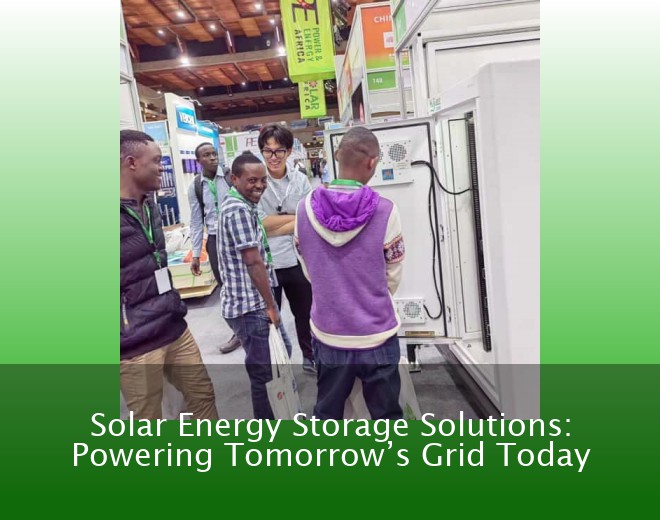
Let's cut to the chase – energy storage is the make-or-break factor in our clean energy transition. You know those shiny new solar farms popping up everywhere? Well, here's the kicker: without proper storage, we're basically throwing away 30-40% of the energy they generate. California's duck curve problem isn't some abstract concept – it's costing ratepayers $150 million annually in curtailed solar power.
Solar Energy Storage Solutions: Powering Tomorrow’s Grid Today
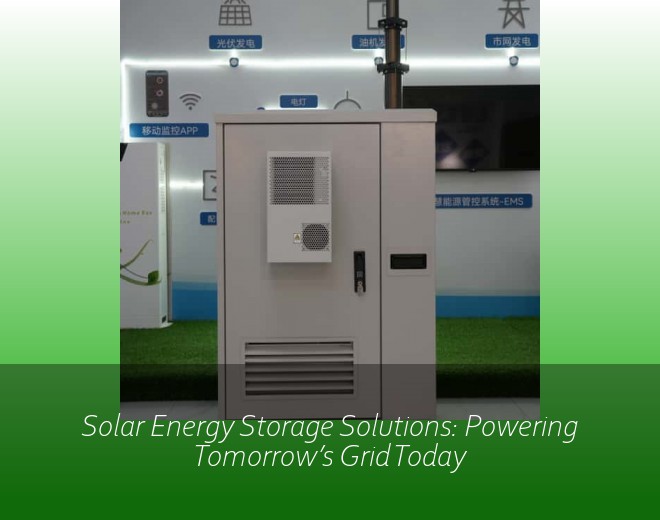
You know that sinking feeling when clouds roll in during peak solar hours? That’s precisely why battery storage systems have become the unsung heroes of renewable energy. In 2023 alone, global solar installations grew 35% year-over-year—but without storage, we’re basically throwing away sunlight.
Solar Storage Systems: Powering Tomorrow's Energy
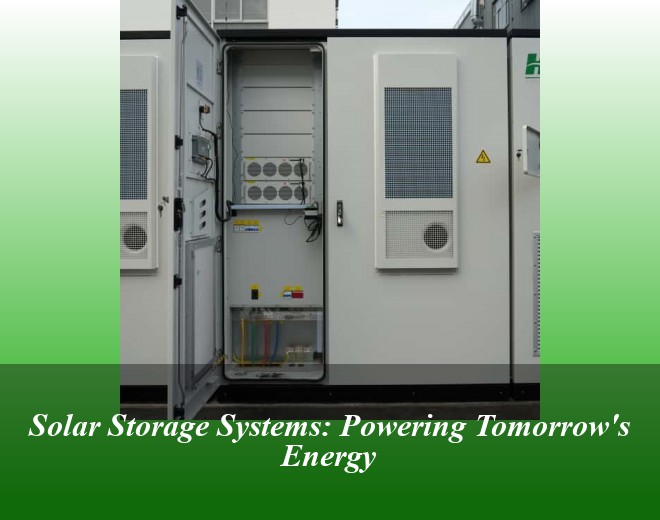
Ever wondered why your neighbor’s solar panels still power their home during blackouts? The secret sauce isn’t just sunlight—it’s battery storage systems. With 3000+ UK households installing solar weekly (a 3x jump since 2023), energy independence isn’t sci-fi anymore. But here’s the rub: solar alone can’t fix our 6 PM energy crunch when everyone fires up kettles and EVs.
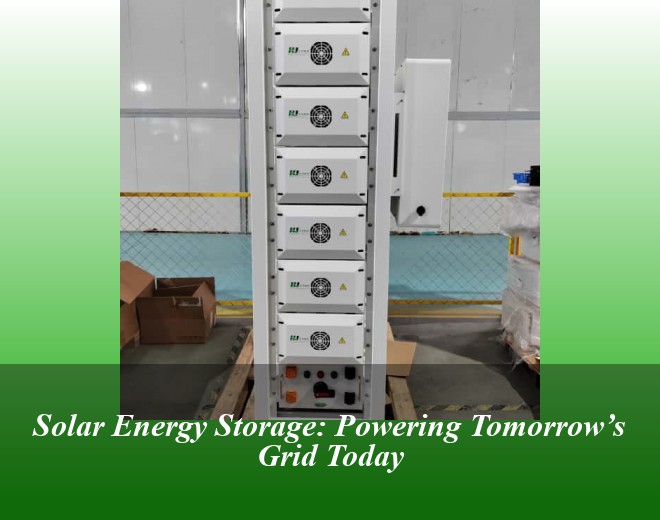
Solar Energy Storage: Powering Tomorrow’s Grid Today
You’ve probably heard the solar energy paradox: photovoltaic panels generate the most power when we need it least – sunny afternoons – and go silent right when we crank up our air conditioners at dusk. This mismatch costs the global renewable sector an estimated $12 billion annually in curtailed energy production.
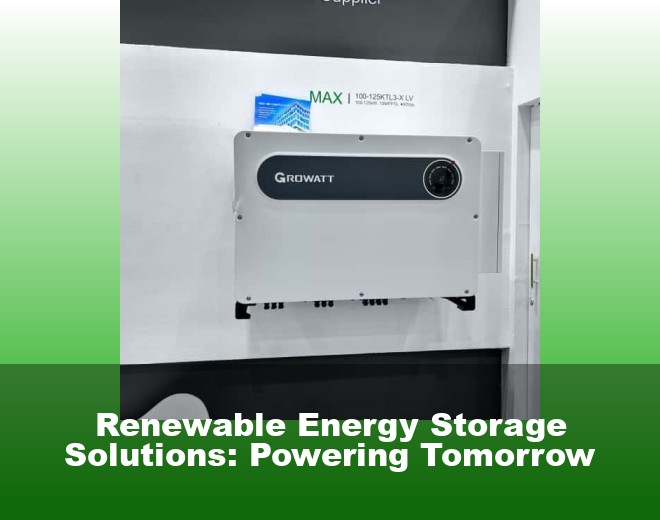
Renewable Energy Storage Solutions: Powering Tomorrow
Ever wondered why we can't simply power entire cities with solar panels alone? The answer lies in the duck curve phenomenon - that frustrating mismatch between solar energy production peaks and actual electricity demand. California's grid operators reported a 56% increase in curtailed solar energy during spring 2024, enough to power 250,000 homes for a year.
 Inquiry
 Online Chat