


Batteries for 5kW Solar Systems
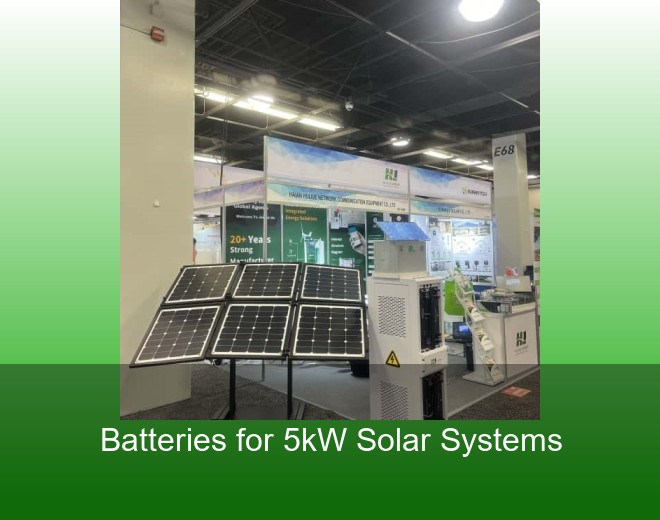
Table of Contents
Understanding Solar Battery Basics
You’re probably wondering—how many batteries does a 5kW solar system really need? Well, the answer isn’t as straightforward as you might think. A typical 5kW system generates about 20-25kWh daily, but nighttime and cloudy days require reliable energy storage solutions.
Let’s break it down. Most homeowners use lithium-ion batteries (like Tesla Powerwall) due to their 90-95% efficiency and 10-year lifespan. Lead-acid options cost less upfront but require more maintenance. Here’s the kicker: Your battery bank’s total usable capacity should cover at least one full day of household consumption.
Calculating Battery Capacity Needs
Imagine this scenario: Your home uses 15kWh daily. To achieve 24-hour backup, you’d need:
| Battery Type | Usable Capacity | Units Needed |
|---|---|---|
| 5kWh Lithium | 4.5kWh (90%) | 4 units |
| 10kWh Lead-Acid | 5kWh (50%) | 3 units |
Wait, no—that 50% depth-of-discharge for lead-acid batteries actually means you’d need double the capacity for equivalent performance. This is where many DIY solar enthusiasts trip up. For a 5kW system, lithium batteries typically require 30-50% fewer units than traditional alternatives.
Case Studies: Real-World Installations
Take the Johnson family in Arizona—they installed a 5kW system with two Tesla Powerwalls (13.5kWh total). During last month’s grid outage, they powered their fridge, lights, and WiFi for 18 hours straight. Contrast this with the Martinez household using lead-acid batteries: They needed eight 6V golf cart batteries to achieve similar results.
Key Installation Factors
- Peak sunlight hours (4-6 daily in most US regions)
- Battery discharge/recharge cycles
- Inverter efficiency losses (3-10%)
You know... it’s not just about the numbers. Proper battery sizing affects everything from system longevity to emergency preparedness. Undersize your bank, and you’ll face frequent blackouts. Oversize it, and you’re throwing money at unused capacity.
Innovations in Energy Storage
The solar industry’s racing toward solid-state batteries—safer, denser, and faster-charging than current options. Companies like QuantumScape claim their prototypes could triple energy density by 2027. While these aren’t mainstream yet, they signal a shift toward more efficient residential storage solutions.
Here’s the bottom line: Calculating battery needs requires understanding your consumption patterns, local climate, and storage technology. When in doubt, consult certified installers—they’ll help navigate the maze of voltage conversions, battery chemistries, and warranty terms that make or break solar investments.
Related Contents
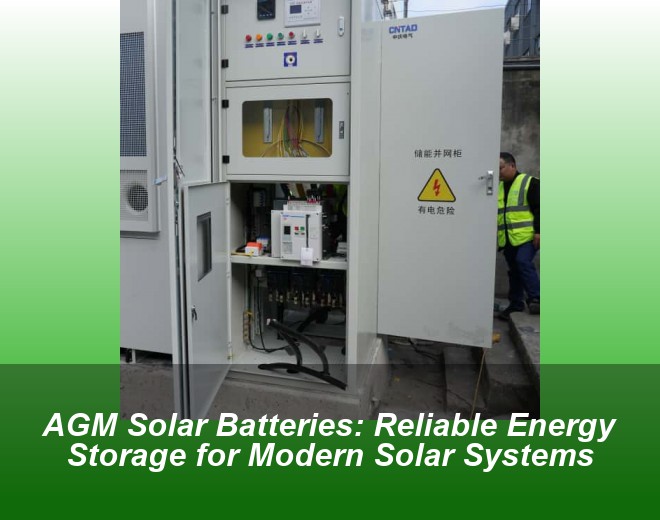
AGM Solar Batteries: Reliable Energy Storage for Modern Solar Systems
Ever wondered why off-grid solar installations in harsh environments still rely on AGM (Absorbent Glass Mat) technology after 40 years? The answer lies in their unique balance of durability and efficiency. Unlike flooded lead-acid batteries that require monthly maintenance, AGM's sealed design prevents acid spills - a game-changer for rooftop solar installations.
Chloride Exide Solar Batteries 100Ah: Reliable Energy Storage for Modern Solar Systems
Ever wondered why some solar installations outperform others by 30-40% annually? The secret often lies in their energy storage backbone. As global solar capacity surges past 1.6 terawatts this year, the real challenge isn't generating power - it's storing it effectively when clouds roll in or the sun dips below the horizon.
LG Batteries for Solar Power Systems
You know how everyone's talking about solar panels these days? Well, here's the kicker: solar power storage is where the real magic happens. LG Chem's lithium-ion solutions have become the gold standard for residential energy systems, but why exactly should you care?
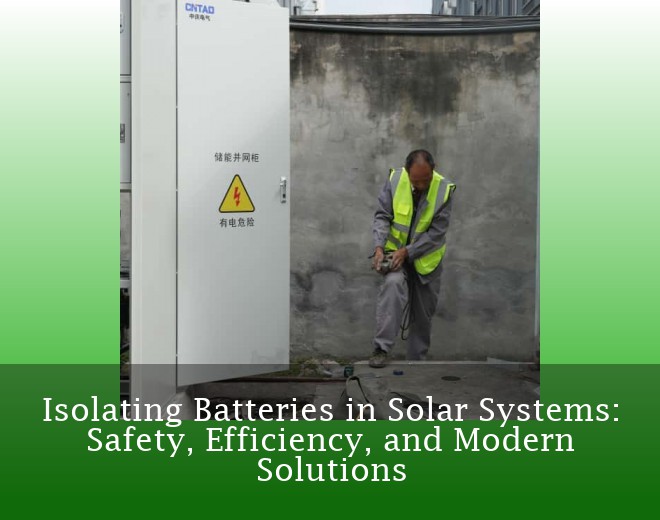
Isolating Batteries in Solar Systems: Safety, Efficiency, and Modern Solutions
You know, when we talk about solar systems, most people focus on panels or inverters. But here's the kicker: battery isolation might be the unsung hero of reliable renewable energy. In March 2025, a residential solar fire in Arizona traced back to cascading battery failures - exactly the scenario proper isolation could've prevented.
Isolated Solar Systems with Batteries: The Complete 2025 Guide
Imagine powering your home entirely through sunlight - no utility bills, no blackouts, just clean energy independence. Sounds like a utopian dream? For over 2 million households worldwide using isolated solar systems with batteries, this is Monday morning coffee reality.
 Inquiry
 Online Chat