


Connecting Solar Directly to Battery Management Systems: Risks, Solutions, and Best Practices
Table of Contents
Why "Direct Connection" Isn't Always Simple
You've probably seen YouTube tutorials claiming you can connect solar panels directly to a battery bank. While technically possible, it's like trying to pour gasoline into a car without a fuel filter – possible, but potentially disastrous. The heart of any energy storage system lies in its battery management system (BMS), which acts as both guardian and conductor of your power flow.
Last month, a Texas homeowner learned this the hard way when their $12,000 lithium battery bank failed after just 18 months. The culprit? Persistent overcharging from an unregulated 400W solar array. This isn't just about equipment damage – improper connections reduce system efficiency by up to 30% according to recent field studies.
The Silent Killer: Voltage Mismatch
Solar panels don't output consistent voltage. On cloudy days, a 12V panel might produce 10V. At noon? It could spike to 22V. Most lithium batteries can't handle this wild swing without voltage regulation. Lead-acid batteries are slightly more forgiving, but even they degrade 40% faster without proper management.
Consider this: A typical solar panel's open-circuit voltage exceeds battery safe limits by 25-50%. That's why quality charge controllers contain three essential safeguards:
- Maximum Power Point Tracking (MPPT)
- Temperature compensation
- Multi-stage charging algorithms
Modern Solutions for Safe Integration
The solar industry isn't sitting still. New hybrid inverters with integrated BMS capabilities are changing the game. Take Huawei's FusionSolar system – it uses AI to predict solar output and battery needs 12 hours in advance, adjusting charge rates dynamically.
"We've moved beyond simple on/off charging. Today's systems need to speak both 'solar' and 'battery' fluently." – Dr. Elena Marquez, Huijue Group Lead Engineer
For smaller setups, DC-coupled solutions with MPPT charge controllers remain the gold standard. These devices act as translators between your panels and batteries, ensuring:
- Optimal energy harvest (up to 98% efficiency)
- Battery health monitoring
- Fault detection and isolation
California's Solar Farm Debacle: Lessons Learned
In 2023, a 5MW commercial installation lost $2.1 million in potential revenue due to improper string configuration. Their mistake? Connecting multiple panel arrays to a single BMS without considering voltage differentials. The solution involved:
- Installing sub-array controllers
- Adding cell-level voltage monitoring
- Implementing active balancing
When DIY Meets Solar: A Cautionary Tale
Meet Jake, a Colorado engineer who tried connecting his RV's 800W solar array directly to lithium batteries. Within three months, his battery capacity dropped 60%. Why? Without a BMS:
- Cells charged unevenly
- No temperature monitoring existed
- Depth of discharge wasn't regulated
The fix cost Jake $1,200 – nearly what he'd "saved" skipping proper components. His story highlights a critical truth: Battery management systems aren't optional extras. They're the insurance policy protecting your entire energy investment.
The Future Is Integrated
Major manufacturers like Tesla and BYD are now embedding BMS directly into solar inverters. This convergence creates systems that:
- Self-diagnose wiring issues
- Automatically adjust for panel degradation
- Coordinate with grid-tied requirements
For residential users, all-in-one units like the EcoFlow Delta Pro demonstrate what's possible – complete solar-to-battery systems in one weatherproof box. They're not perfect, but they eliminate 90% of connection errors typical in DIY setups.
A Word About Wireless Tech
Emerging solutions using Bluetooth/Wi-Fi for BMS communication raise new possibilities. Imagine your phone alerting you to a loose panel connection before it causes damage. That's not sci-fi – it's available today in premium systems like the Victron SmartSolar range.
Related Contents
Best Solar Battery Solutions in Australia
Australia's facing what some might call an energy paradox. We've got solar panels on 1 in 3 rooftops - more than anywhere else globally - yet most households still rely on the grid after sunset. Here's the kicker: The Australian Renewable Energy Agency reports we're exporting 80% of our solar energy back to utilities, only to buy it back at 300% markup after dark.
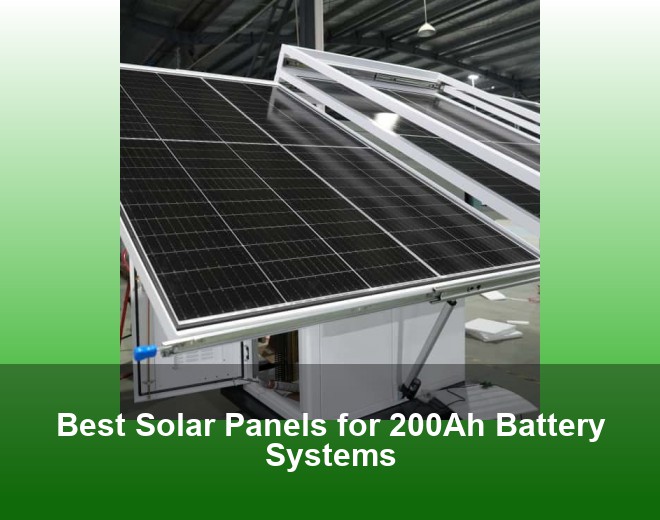
Best Solar Panels for 200Ah Battery Systems
Let’s face it—200Ah batteries aren’t your average storage units. These beasts can store enough juice to power a small workshop for days, but here’s the kicker: they’re only as good as their charging system. You know what they say about chains and weakest links, right?
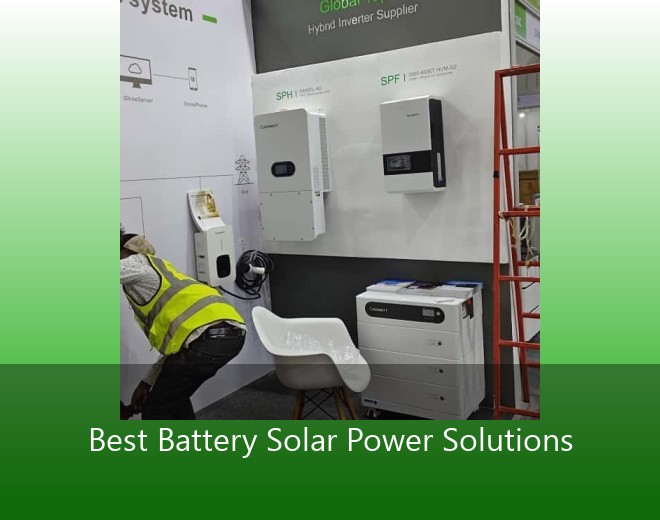
Best Battery Solar Power Solutions
Ever wondered why your neighbor's solar panels still power their home during blackouts while yours go dark? The secret sauce lies in best battery solar power systems. Solar panels alone are like rainwater collectors without a barrel - great at catching energy, terrible at saving it for cloudy days.
Connecting Solar Panels to Battery Systems
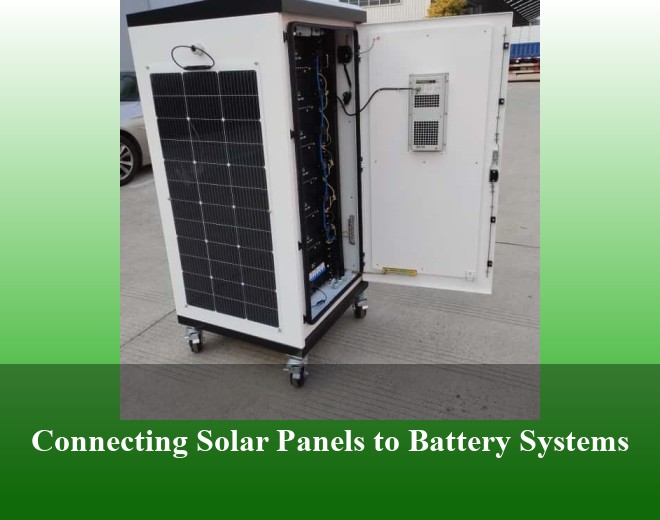
Ever wondered why solar charge controllers make or break your renewable energy system? Let's cut through the noise: a typical off-grid setup requires three core elements - photovoltaic panels, deep-cycle batteries, and that unsung hero called the charge controller.
Solar Battery Solutions for Photovoltaic Systems
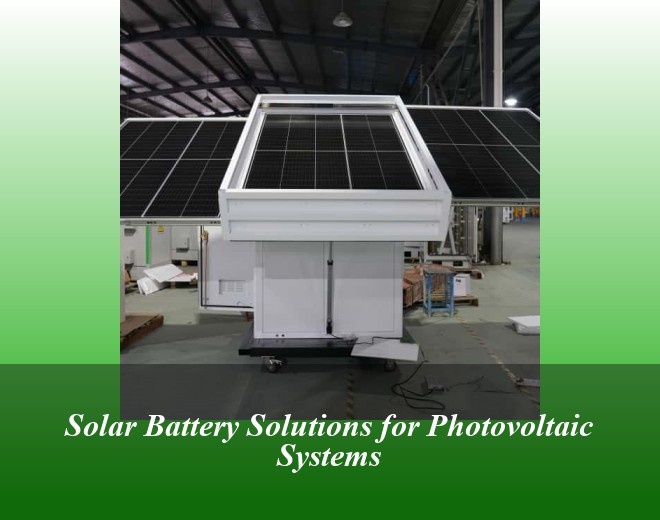
You know how everyone's talking about solar panels these days? Well, here's what they're not telling you: solar batteries are the real game-changers. With global solar capacity hitting 1.2 TW in 2023 (that's trillion watts, mind you!), we've sort of forgotten one crucial thing - the sun doesn't shine 24/7.
 Inquiry
 Online Chat