


Renewable Energy Solutions for Modern Homes
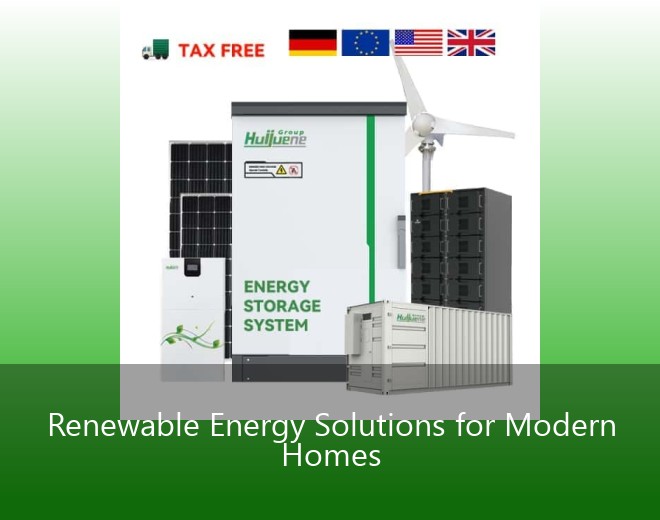
Table of Contents
Why Home Renewable Energy Matters Now
Did you know the average U.S. household spends $1,500 annually on electricity bills? With utility rates climbing 4.3% yearly since 2020, homeowners are desperately seeking alternatives. Renewable energy systems aren't just eco-friendly - they've become financial lifelines.
Last winter's Texas grid failure left 4.5 million homes powerless. This vulnerability explains why 68% of new solar installations now include battery storage. "It's about energy independence," says Sarah Turner, who kept her lights on during a 72-hour blackout using her solar-battery setup.
The Hidden Grid Vulnerability
Our aging power infrastructure requires $208 billion in upgrades through 2030. Meanwhile, residential renewable systems have dropped 52% in cost since 2015. The math speaks for itself - but what options truly deliver?
The Solar Power Breakdown
Modern photovoltaic panels achieve 22% efficiency compared to 15% a decade ago. A typical 6kW system can power 90% of a 2,000 sq.ft home's needs. But here's the catch - orientation matters more than latitude. A south-facing roof in Maine often outperforms a north-facing one in Arizona.
Real-World Performance Factors
- Partial shading reduces output by 25-50%
- Dust accumulation cuts efficiency 7-25%
- Temperature increases lower performance 0.5%/°C above 25°C
Battery Storage Secrets Revealed
Lithium-ion batteries dominate 92% of home installations, but flow batteries are gaining ground. The new Tesla Megapack stores enough energy to power a home for 7 days, while competitors like LG Chem offer modular systems. But wait - are these batteries truly sustainable?
Recycling programs now recover 96% of battery materials. California's Solar Rights Act even mandates recycling provisions. "We're seeing second-life batteries being repurposed for grid storage," notes energy analyst Mark Chen. This circular approach addresses early sustainability concerns.
Debunking 3 Major Cost Myths
Myth 1: "Solar pays off in 20 years" → Actual payback periods now average 6-8 years with federal tax credits. Myth 2: "Batteries double system costs" → New financing models spread storage costs over 10-15 years. Myth 3: "Maintenance eats savings" → Modern systems require just $150/year in upkeep.
The Financing Revolution
Power Purchase Agreements (PPAs) let homeowners install $0-down systems while locking in rates below utility prices. In sunny states, these contracts save $18,000+ over 20 years. "It's like replacing your electric bill with a cheaper, fixed payment," explains solar financier Emily Wong.
How Real Families Made It Work
The Rodriguez family in Florida eliminated their $280/month bill with a 8kW solar array and two Powerwall batteries. During Hurricane Ian, they powered both their home and neighbor's medical equipment. "We became the community lifeline," Maria Rodriguez recalls, still amazed at their system's capability.
Meanwhile, retired couple Jim and Linda achieved 103% energy independence in Vermont using ground-mounted panels and a geothermal hybrid system. Their secret? Combining multiple renewable sources for year-round reliability.
Key Implementation Steps
- Energy audit ($300-500)
- Site suitability analysis
- Customized system design
- Smart financing selection
As grid uncertainty grows and technology improves, home renewable systems have shifted from luxury to necessity. The question isn't "if" but "when" homeowners will make the switch. With new battery chemistries and solar innovations emerging quarterly, the home energy revolution is just beginning.
Related Contents
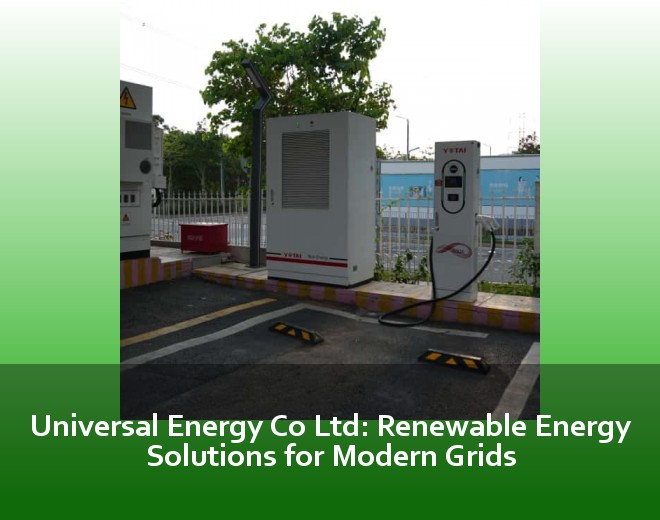
Universal Energy Co Ltd: Renewable Energy Solutions for Modern Grids
Ever wondered why your lights flicker during heatwaves? As global electricity demand surges 25% faster than grid upgrades, aging infrastructure struggles with renewable energy integration. Universal Energy Co Ltd's research shows 68% of power outages now stem from weather extremes - a problem solar-storage hybrids uniquely solve.

Smart Energy Solutions for Modern Homes
Did you know the average U.S. household wastes $1,300 annually on energy inefficiency? That's like throwing a brand-new iPhone into a landfill every month. The problem's getting worse - utility rates have jumped 12.5% since January 2023 alone. But here's the kicker: 65% of this waste comes from outdated systems that could be upgraded with today's tech.
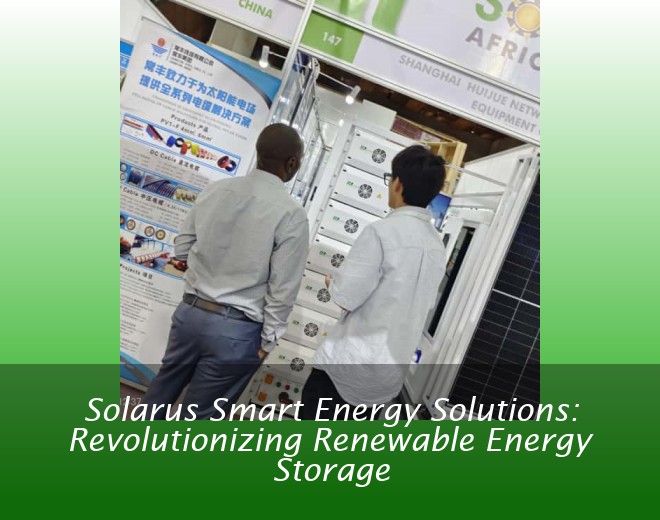
Solarus Smart Energy Solutions: Revolutionizing Renewable Energy Storage
Ever wondered why renewable energy hasn't completely replaced fossil fuels despite decades of development? The answer lies in what experts call the "sunset paradox" - solar panels stop generating when we need electricity most. In 2025, global energy storage capacity must increase by 300% to meet net-zero targets, yet current solutions barely scratch the surface.

Renewable Energy Solutions for Modern Grids
Ever wondered why your electricity bills keep climbing despite global advances in renewable energy? The truth is, our grids are struggling to handle the mismatch between solar/wind generation peaks and actual consumption patterns. Last February, California's grid operators had to curtail 1.8 TWh of renewable power - enough to charge 25 million EVs - simply because storage capacity couldn't keep up.

Smart Energy Solutions for Modern Homes
You know how everyone's talking about climate change but few actually walk the walk? Well, residential energy use accounts for 20% of U.S. emissions - that's equivalent to 100 million gasoline cars running nonstop. Last month's heatwave across the Southwest saw rolling blackouts affecting 3 million homes, proving our grid's sort of held together by chewing gum and hope.
 Inquiry
 Online Chat