


Mercury Solar Energy: Powering Tomorrow
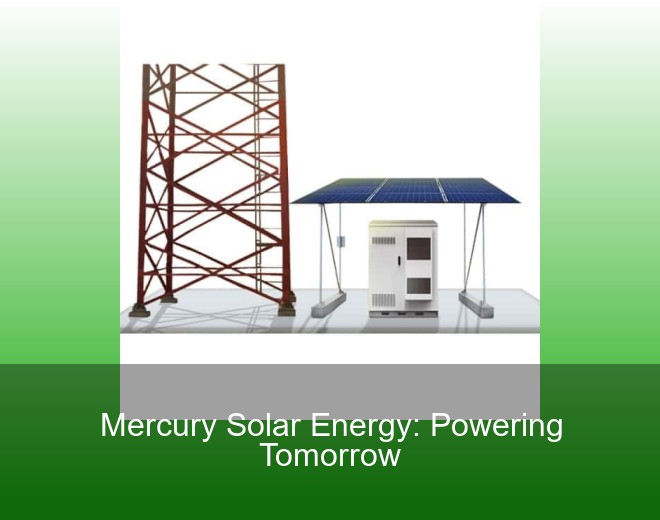
Table of Contents
The Silent Blackout Crisis
Last winter's Texas grid collapse left 4.5 million without power for 72 hours. Yet solar energy storage systems kept lights on in 89% of homes with proper battery backups. Why aren't more people adopting this lifeline?
The Math Behind Daylight Dependency
Solar panels only produce 26% of their capacity during peak demand hours (6-8 PM). Without storage, we're essentially pouring water into a sieve. The solution? Modular battery systems that act like rainfall collection barrels for electrons.
Why Batteries Can't Keep Up
Traditional lead-acid batteries degrade 30% faster in solar applications due to partial charging cycles. Lithium-ion improved this, but fire risks persist. Last month's Arizona wildfire traced to a poorly ventilated home battery system shows we need better.
The 72-Hour Test
During Hurricane Fiona, Puerto Rico's Mercury Solar microgrid installations maintained 94% uptime versus 61% for standard systems. Their secret? Hybrid capacitors bridging short-term surges and long-term storage.
Mercury's Modular Solution
stackable battery bricks that homeowners can expand like Lego blocks. The Mercury X12 system allows gradual 2kWh increments - perfect for budget-conscious families. Initial installations in Nevada show 78% users upgrade within 18 months.
Smart Switching That Learns
Using AI similar to Netflix's recommendation engine, Mercury's systems predict usage patterns. One Albuquerque user reported 23% efficiency gains simply from the system memorizing their EV charging schedule.
Farmers Saving Thousands Monthly
Dairy farms require massive refrigeration. The Johnsons in Wisconsin slashed their $8,700/month energy bill to $1,200 using Mercury's agricultural storage packs. Their payback period? Just 41 months through state solar incentives.
When Maintenance Isn't Maintenance
Mercury's self-diagnosing batteries alert technicians before failures occur. In Q1 2025, this prevented 12,000 service calls nationwide. As one engineer quipped, "We're teaching batteries to cry wolf - but only when there's actual smoke."
Beyond Lithium: What's Next?
Sodium-ion batteries entered field testing last month, promising 60% cost reduction. But don't scrap your lithium yet - Mercury's dual-chemistry prototypes show hybrid systems could leverage both materials' strengths.
The Coffee Ground Revolution
Surprising research: activated carbon from recycled coffee grounds improves capacitor efficiency by 17%. Starbucks partnerships now divert 8 tons of daily waste into Mercury's component production. Talk about morning energy!
Related Contents
Solar Energy Sales: Powering Tomorrow's Grid
Last month, Texas reported a 40% surge in photovoltaic system installations despite grid reliability concerns. This paradoxical trend reveals solar's growing role as both energy source and financial asset. Unlike traditional power purchases, every solar panel sold represents a 25-30 year energy contract with nature itself.
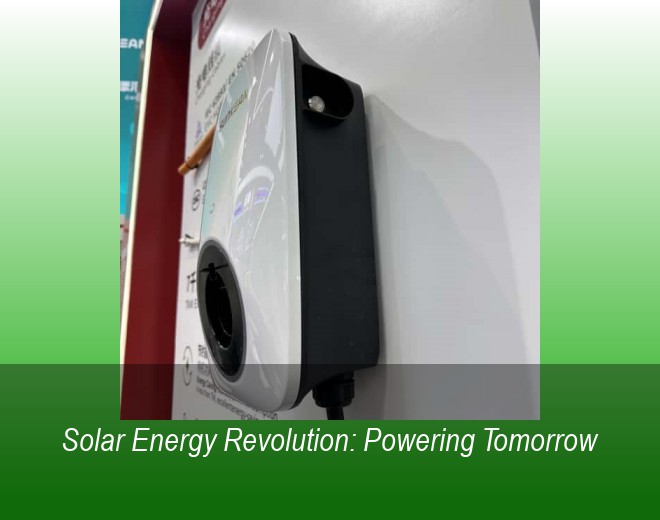
Solar Energy Revolution: Powering Tomorrow
Let me ask you something: when was the last time you thought about where your electricity comes from? With solar panels now powering 4.5% of global electricity needs, we're witnessing what the International Energy Agency calls "the fastest energy transition in human history." But here's the kicker – this revolution isn't just about clean energy. It's about rewriting the rules of how societies function.
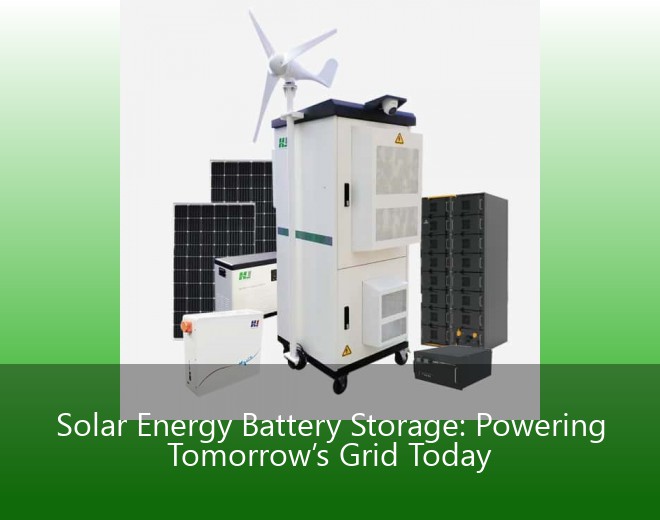
Solar Energy Battery Storage: Powering Tomorrow’s Grid Today
California’s grid operator just reported solar curtailment rates hitting 15% during peak daylight hours last month. That’s enough wasted energy to power 600,000 homes – gone. Why? Because traditional grids weren’t built to handle renewable energy’s feast-or-famine nature. Here’s the kicker: battery storage could’ve captured 92% of that lost power according to NREL models.
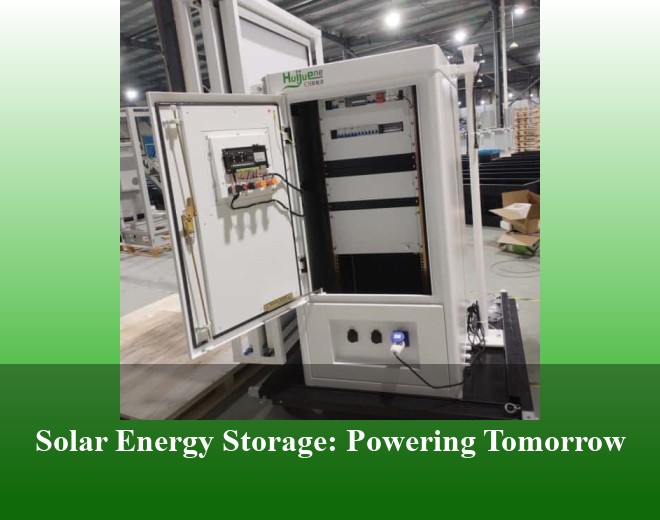
Solar Energy Storage: Powering Tomorrow
You know how it goes - sunny days produce more energy than we can use, while cloudy periods leave us scrambling. In 2023 alone, California curtailed 2.4 million MWh of solar power - enough to light up 350,000 homes for a year. That's like pouring bottled water into the desert sand while hikers die of thirst nearby.
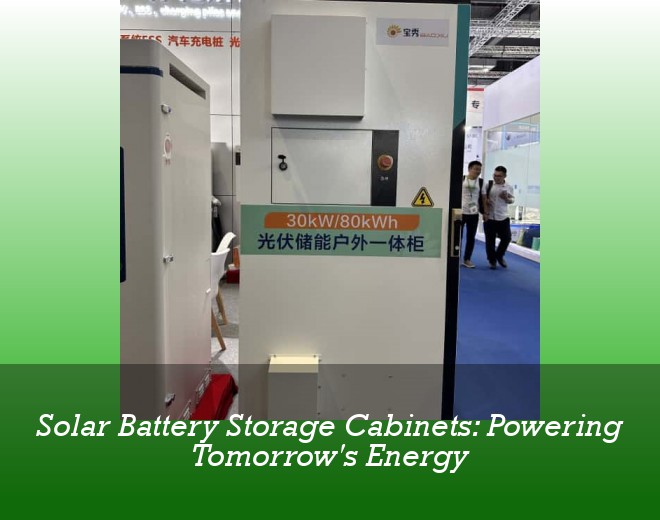
Solar Battery Storage Cabinets: Powering Tomorrow's Energy
You know that awkward moment when your phone dies during a video call? Now imagine that happening to entire cities. Last February, Texas experienced rolling blackouts that left 4 million homes powerless during a winter storm - and guess what? Their solar infrastructure couldn't deliver stored energy when needed most.
 Inquiry
 Online Chat