


Charging a 200Ah Battery with Solar
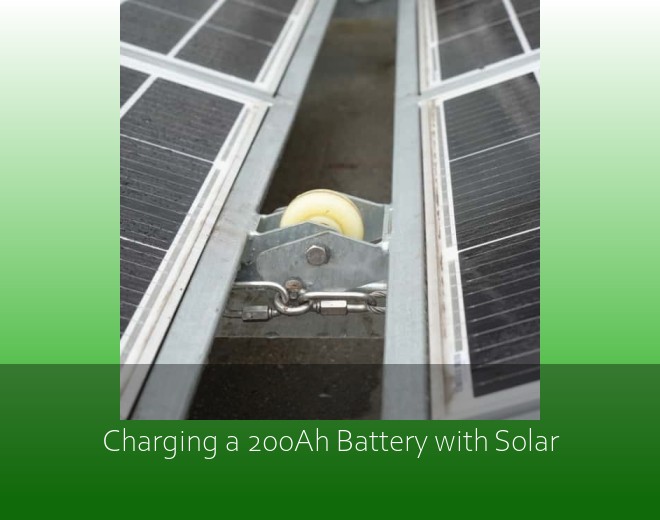
Table of Contents
Understanding Battery & Solar Basics
Let's start with the fundamentals. A 200Ah battery stores 2,400 watt-hours (12V system) or 4,800 watt-hours (24V system). But here's the kicker - you can't simply divide this by a solar panel's wattage. Why? Because solar charging involves energy losses, weather variables, and battery chemistry constraints.
Battery Voltage Matters
Most off-grid systems use either 12V or 24V configurations. The higher the voltage, the fewer panels you'll generally need. For instance:
| System Voltage | Total Energy Storage |
|---|---|
| 12V | 2,400Wh |
| 24V | 4,800Wh |
The Math Behind Solar Charging
Here's the formula we use at Huijue Group:
( Battery Capacity × Voltage ) ÷ ( Sun Hours × 0.8 ) = Required Solar Watts
The 0.8 factor accounts for typical energy losses in conversion and wiring. Let's break this down:
- Determine daily energy needs (200Ah × 12V = 2,400Wh)
- Factor in recharge time (Typically 5 sun hours)
- Account for efficiency losses (Multiply by 1.2)
Key Variables Affecting Panel Count
You know what's fascinating? Two identical batteries might need different solar arrays based on:
- Local sunlight hours (Arizona vs. Alaska)
- Panel tilt angle and orientation
- Battery type (LiFePO4 vs. lead-acid)
Take our recent project in Colorado - a 200Ah lithium battery required 25% fewer panels than lead-acid equivalents due to higher charge acceptance rates. That's the kind of detail that makes all the difference.
Seasonal Considerations
Winter months might require doubling your solar array. Last December, a client's 400W system struggled to maintain charge during a week of heavy snow. We upgraded to 800W with snow-resistant panels, solving the issue.
Real-World Charging Scenarios
Let's crunch numbers for different setups:
| Location | Daily Sun | Panels Needed (300W each) |
|---|---|---|
| Florida | 5 hours | 2 panels |
| Germany | 2.5 hours | 4 panels |
But wait - this assumes perfect conditions. In reality, you'd add 20-30% buffer. For a 12V 200Ah battery in cloudy regions, we often recommend 600-800W solar arrays for reliable charging.
System Optimization Tips
Three pro tips from our installation teams:
- Use MPPT controllers (23% more efficient than PWM)
- Implement panel tilting systems
- Combine with wind turbines for hybrid charging
Remember that RV owner who tried charging a 200Ah battery with a single 100W panel? They constantly faced power shortages until upgrading to 400W. Now their system recharges fully by noon on most days.
Future-Proofing Your System
With new 400W+ commercial panels entering the market, you might soon charge a 200Ah battery with just 1-2 panels. But for now, stick with proven 300-350W residential panels unless you've got industrial-scale space.
Related Contents
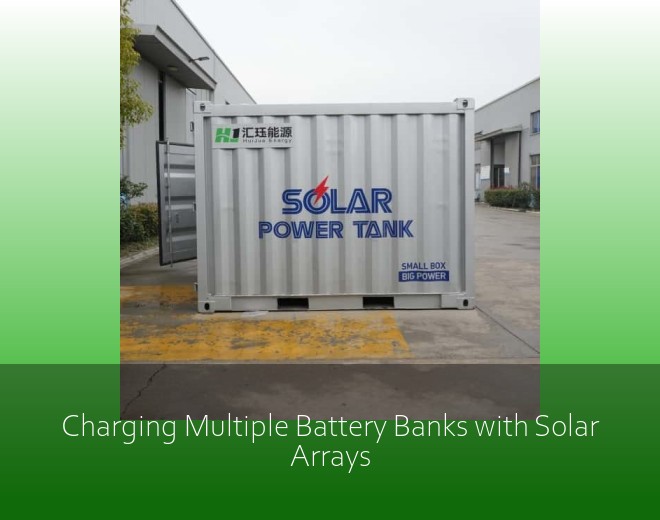
Charging Multiple Battery Banks with Solar Arrays
Ever wondered if your solar array could handle charging two battery banks simultaneously? The short answer is yes – but it's not as simple as plugging in extra cables. Modern systems achieve this through intelligent charge controllers that act like traffic directors for solar energy.
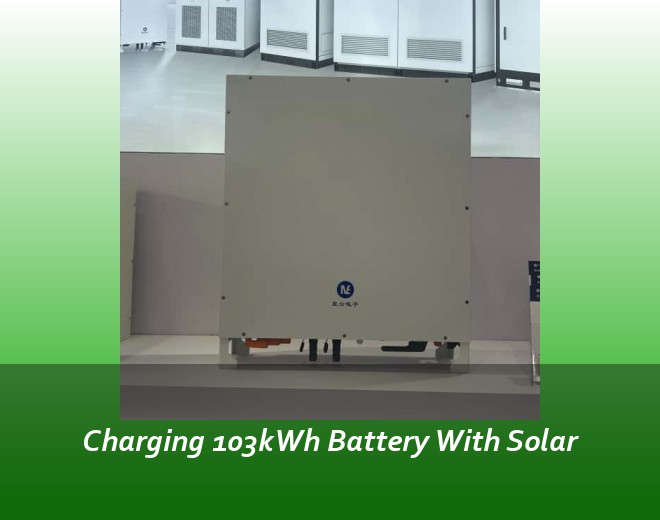
Charging 103kWh Battery With Solar
Let's cut through the solar sales pitches. To charge a 103kWh battery, you'll need about 28-34 panels assuming 400W models. But hold on – that's like saying "it takes 3 hours to drive to Chicago." Without knowing traffic (read: sunlight hours) or your car's efficiency (panel orientation), that number's practically useless.
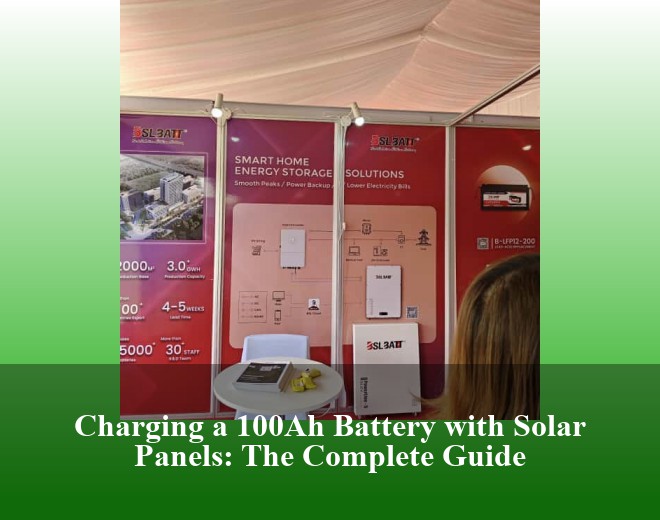
Charging a 100Ah Battery with Solar Panels: The Complete Guide
Ever wondered why your solar-powered battery system underperforms? Let's start with the fundamentals. A 100Ah battery stores 1.2kWh of energy (12V×100Ah), but here's the kicker – you'll need about 1.5kWh from solar panels to fully charge it due to efficiency losses.
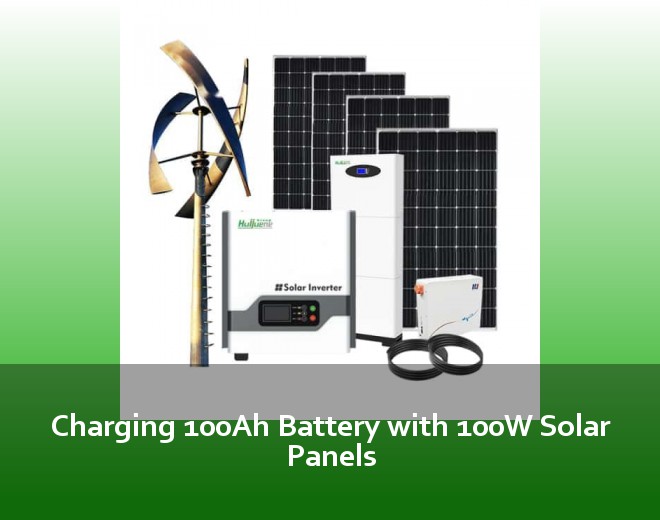
Charging 100Ah Battery with 100W Solar Panels
Let's start with a basic truth: A 100W solar panel doesn't deliver 100 watts consistently. You know how it goes - weather patterns, panel angles, and even dust accumulation can reduce output by 10-30% . For a 100Ah battery (typically 12V, storing 1.2kWh), you'd need proper sunlight exposure and system configuration.
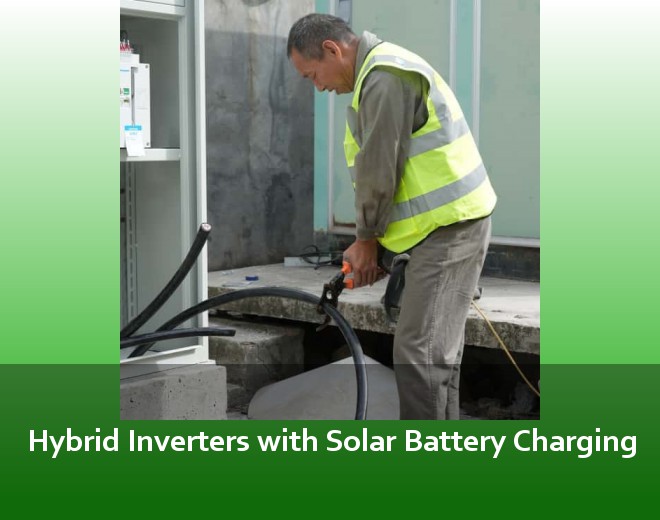
Hybrid Inverters with Solar Battery Charging
You know, traditional solar setups either feed power back to the grid or store it in batteries - but not both simultaneously. A hybrid inverter solves this by acting as the brain of your renewable energy system. It's managing solar panel input, battery storage, and grid connectivity all at once, sort of like a traffic controller during rush hour.
 Inquiry
 Online Chat