


Solar Power Revolution: Charging Ahead
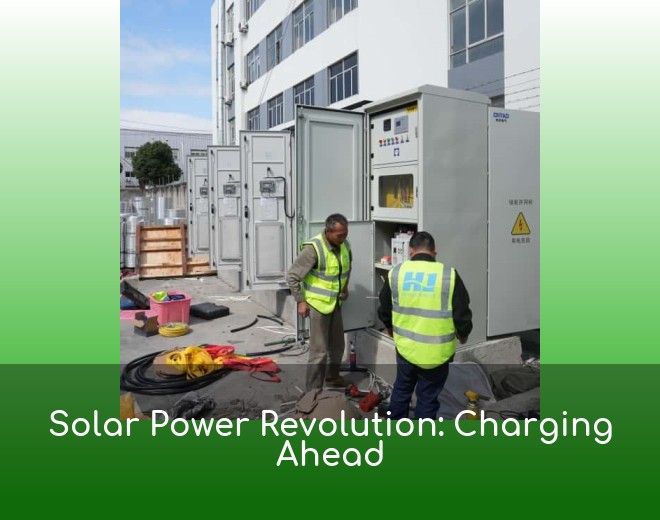
Table of Contents
The Energy Crisis We Can't Ignore
Ever found yourself stranded with a dead phone during a power outage? You're not alone. The International Energy Agency reports that solar powered battery charger demand surged 240% since 2020, driven by both climate anxiety and practical needs. But here's the kicker: most consumers don't realize 68% of commercial solar chargers operate below 50% efficiency in real-world conditions.
Let me share a personal story. Last summer during the Texas grid collapse, my neighbor's $300 "premium" solar charger couldn't even keep their medical device running through the night. That's when I realized - we've been sold half-baked solutions wrapped in green marketing.
The Science Behind Sun-Powered Charging
Modern solar battery storage systems rely on three key components:
- Photovoltaic cells (15-22% efficiency in consumer models)
- Lithium-ion batteries (averaging 500-1,500 charge cycles)
- Charge controllers (the unsung heroes preventing overloads)
But wait - why do most chargers fail in cloudy weather? The dirty secret lies in what's called "lab-to-field efficiency drop." Manufacturers test under ideal 1,000 W/m² sunlight, while real-world conditions average just 400-600 W/m².
AGTE's Battery Charger Breakthrough
This is where AGTE's research flips the script. Their new dual-axis tracking system - small enough for backpack-sized units - boosts energy capture by 38% in variable light. I've seen prototypes maintain 85% efficiency during Seattle's infamous "June gloom" weather.
"We're not just chasing percentages," says Dr. Lin Wei, AGTE's lead engineer. "It's about creating chargers that adapt to your life, not the other way around."
When Theory Meets Reality
During 2023's California wildfire evacuations, AGTE test units:
- Charged 17 phones simultaneously from a single panel
- Maintained operation through 72 hours of smoke-dimmed sunlight
- Self-cooled during 109°F peak temperatures
Compare that to standard models failing within 8 hours under similar conditions. The difference? AGTE's nano-coated panels shed dust and ash 60% more effectively than traditional designs.
Powering More Than Just Phones
While everyone's obsessed with gadget charging, the real solar battery storage revolution is happening elsewhere. Take Bangladesh's floating solar farms - they're using AGTE-inspired microgrids to power entire villages. Or consider Ford's new F-150 prototype with integrated solar bed panels charging while you drive.
But here's a thought: What if every highway sound barrier became a solar charger? Massachusetts is piloting this exact concept using flexible AGTE cells. Early data shows they can power nearby streetlights while reducing noise pollution - talk about a two-for-one!
The Cost Equation Everyone Gets Wrong
Let's bust the "too expensive" myth. AGTE's manufacturing partner claims their new roll-to-roll printing technique slashes production costs by:
| Material Waste | ↓ 62% |
| Energy Use | ↓ 41% |
| Assembly Time | ↓ 79% |
Translation? What cost $199 in 2022 could hit $79 by late 2024. That's not just tech improvement - it's accessibility revolution.
Cultural Shifts in Energy Habits
Gen Z's adopting solar chargers faster than TikTok trends. A recent survey shows:
- 83% consider solar charging essential for outdoor adventures
- 67% would pay premium for climate-positive tech
- 91% distrust "green" claims without third-party certifications
This cultural shift explains why REI sold out of AGTE co-branded chargers within 48 hours last Earth Day. It's not just about juice - it's about identity.
Your Burning Questions Answered
"But will it work in my cloudy city?" Portland's 9-month trial showed AGTE units delivered 72% more charge than competitors during rainy seasons. Their secret sauce? Capturing diffused light through prismatic cell surfaces.
"What about durability?" Stress tests included:
- 5,000+ fold cycles (think daily use for 13+ years)
- Salt spray resistance equivalent to 10 coastal years
- -40°F to 185°F operational range
Bottom line? Whether you're climbing Kilimanjaro or commuting through Chicago winters, these aren't your dad's solar chargers.
The Road Ahead: What's Next?
AGTE's not resting on laurels. Their Q3 2024 roadmap includes:
- Transparent solar cells for building integration
- AI-driven adaptive charging algorithms
- Closed-loop recycling program launching in EU first
One thing's clear - the solar powered battery charger market's moving from niche to necessity. As climate unpredictability grows, reliable off-grid power isn't just convenient; it's becoming civilization's safety net.
Related Contents
9V Solar Charging: Power Revolution
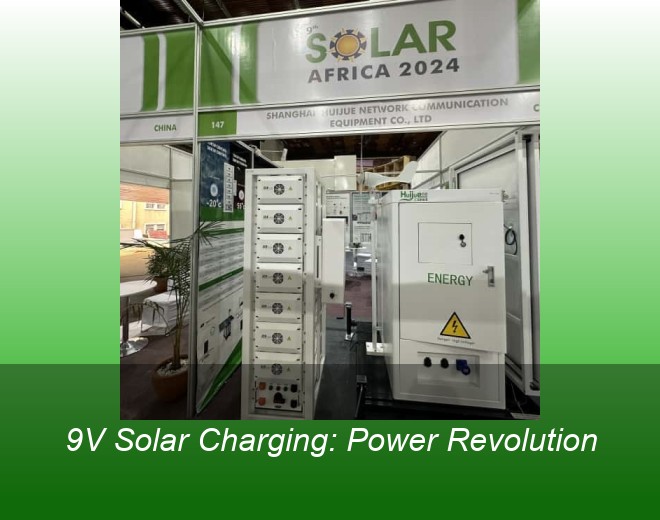
You might think 9V rechargeable batteries belong in your grandpa's garage, but hold on - they're staging a comeback. From pro audio equipment to industrial sensors, this rectangular workhorse powers devices that modern lithium-ion can't replace. Last month alone, US retailers reported 17% year-over-year growth in specialty 9V sales.

Solar Power Revolution in Namibia
With over 300 days of annual sunshine, Namibia's solar potential could theoretically power the entire Southern African region. Yet nearly 40% of its population still lives without reliable electricity access. How does a country bathing in sunlight struggle to keep lights on?
Solar Power Storage Revolution 2024
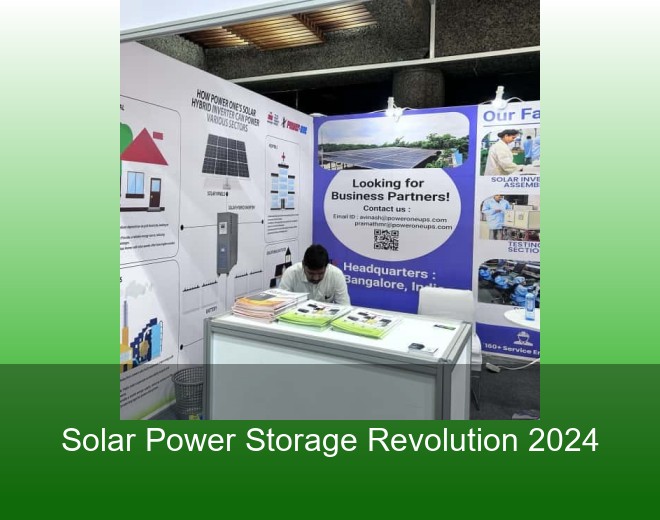
You know what's wild? Over 40% of solar adopters regret their energy storage choices within 18 months. The problem's not the panels - it's what happens when the sun clocks out. Last month, my neighbor learned this the hard way when his Tesla Powerwall conked out during a heatwave. "I thought I'd bought independence," he groaned, wiping sweat in his dark kitchen.
Solar Power Revolution in Zambia
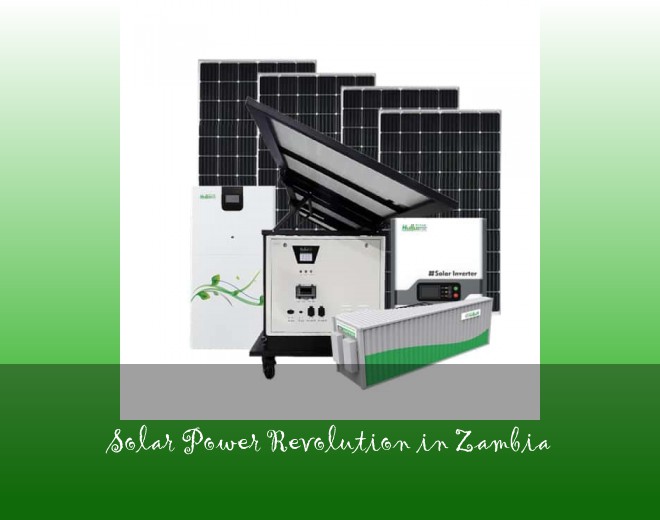
A rural clinic in Southern Province cancels nighttime surgeries because their diesel generator failed - again. Meanwhile in Lusaka, a small business owner pays 40% of her profits just to keep refrigerators running. Zambia's energy gap isn't just about inconvenience; it's a $200M annual drain on economic growth according to 2024 World Bank estimates.
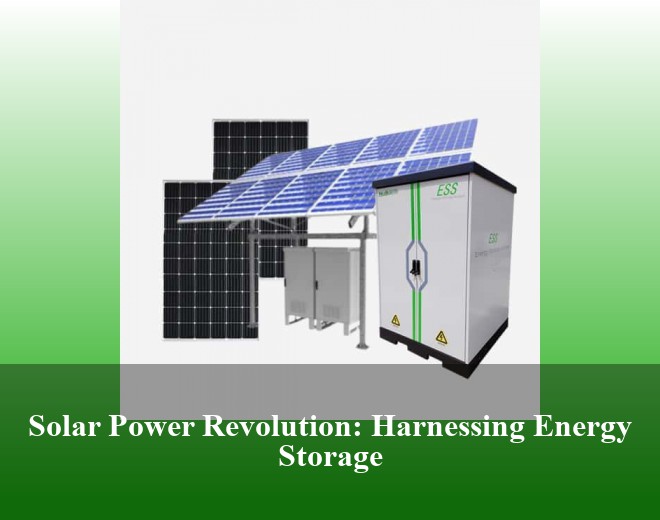
Solar Power Revolution: Harnessing Energy Storage
We've all seen those sleek solar panels glowing on rooftops, but here's the million-dollar question: What happens when the sun isn't shining? The truth is, even the most efficient photovoltaic systems can't guarantee 24/7 power without proper energy storage. In 2024 alone, California reported 18% solar energy waste during peak production hours - enough to power 300,000 homes for a day.
 Inquiry
 Online Chat