


Energy Storage Container Price Trends: Costs, Competition, and Future Outlook
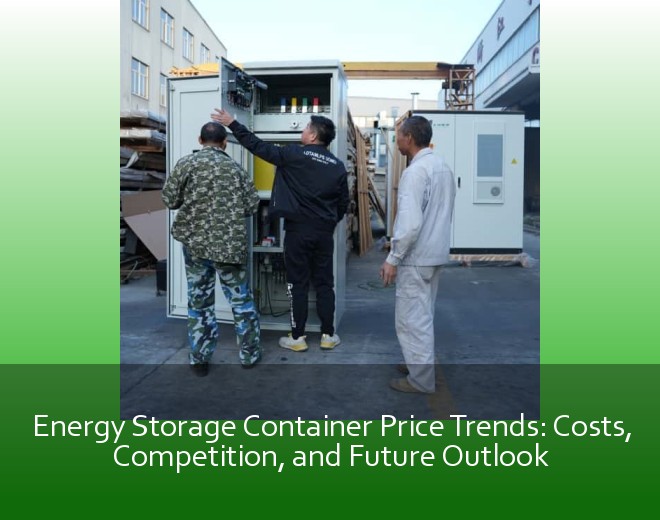
Table of Contents
Current Price Dynamics of Containerized BESS
The energy storage container price has plummeted 66% since 2023, with average lithium iron phosphate (LFP) battery cell costs hitting $0.04/Wh in Q4 2024. Complete 20-foot container systems now trade at $130-$150/kWh for commercial-scale projects, down from $220/kWh just 18 months ago. This dramatic shift has transformed containerized battery energy storage systems (BESS) from niche solutions to mainstream grid assets.
But how low can prices realistically go before innovation becomes unsustainable? Industry reports reveal that raw materials now constitute 72% of total system costs, compared to 58% in 2022. While this suggests limited room for further reductions, manufacturers continue pushing technological boundaries.
Why Are We Seeing Unprecedented Price Erosion?
Three tectonic shifts are reshaping the BESS pricing landscape:
1. Vertical integration: Major players like CATL now control everything from lithium mining to final assembly, slashing procurement costs by 18-22%
2. Policy whiplash: China's elimination of energy storage subsidies in 2023 forced manufacturers to prioritize cost-cutting over differentiation
3. Technology leapfrogging: Transition to 314Ah battery cells (up from 280Ah in 2022) increased energy density while reducing structural components
A recent 1GWh procurement tender in Xinjiang saw bids dip below $0.12/kWh for complete AC-coupled systems - a figure that would have been unthinkable two years ago. This price erosion creates paradoxical opportunities. While margins shrink, the total addressable market expands as projects previously deemed uneconomical suddenly pencil out.
The Hidden Costs Behind Container Storage Systems
Beneath the headline containerized storage costs lurk critical tradeoffs:
- Cycle life variance: 6,000-cycle systems now cost just 9% more than 4,500-cycle alternatives
- Thermal management: Liquid-cooled containers command 15-18% premiums over air-cooled units
- Grid compliance: UL9540-certified systems cost $23/kWh more than uncertified alternatives
Forward-thinking operators are adopting total cost of ownership (TCO) models that account for:
- Degradation curves under real-world cycling patterns
- Replacement inverter costs in high-temperature environments
- Recyclability premiums for low-cobalt chemistries
Survival Strategies in a Hypercompetitive Market
The industry's response to compressed margins reveals diverging paths:
Cost leaders like BYD now achieve 94% production line automation, reducing direct labor costs to $0.8/kWh. Meanwhile, technology specialists are pursuing:
- Solid-state container prototypes with 400Wh/kg density
- AI-driven battery management systems that extend cycle life by 22%
- Modular designs enabling field-upgradable capacity
An emerging third path combines energy storage with hydrogen electrolysis - a hybrid approach that increased project IRR by 14% in German pilot projects. As one industry veteran noted: "The companies surviving this shakeout aren't just selling containers - they're selling guaranteed electrons."
Reimagining the Energy Storage Value Chain
The next phase of energy storage container price evolution will likely feature:
- Recycled material content mandates (California's SB-615 proposes 30% by 2027)
- Carbon footprint disclosure requirements
- Cybersecurity certification protocols
Early movers are already testing blockchain-enabled capacity trading and virtual grid formation contracts. These innovations could fundamentally alter how we perceive storage costs - shifting from upfront capital expenses to performance-based service models.
While current price trends appear unsustainable, they're accelerating critical industry maturation. The survivors of this Darwinian phase will likely dominate the $560B stationary storage market projected for 2030. For buyers, this creates both unprecedented opportunities and hidden risks requiring expert navigation.
Related Contents

Solar System for Home Price in Nigeria: Costs, Trends, and Smart Energy Solutions
You know that feeling when your freezer thaws during a blackout? For 43% of Nigerian households, this isn’t just an inconvenience—it’s weekly reality. The national grid supplies only 4,000MW for 200 million people, creating a solar energy adoption boom. But why now? Three factors collided in 2025:
Solar Energy Storage: Cutting Costs and Powering the Future
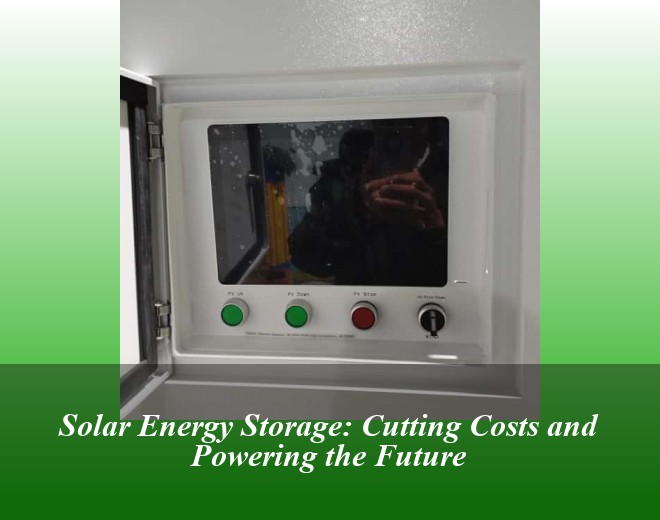
You've installed solar panels, so why's your electricity bill still unpredictable? The answer lies in the intermittency gap – those cloudy days when solar generation plummets, forcing reliance on grid power priced at 2024's record highs.
Solar System Price in Pakistan: Costs, Trends, and Energy Revolution
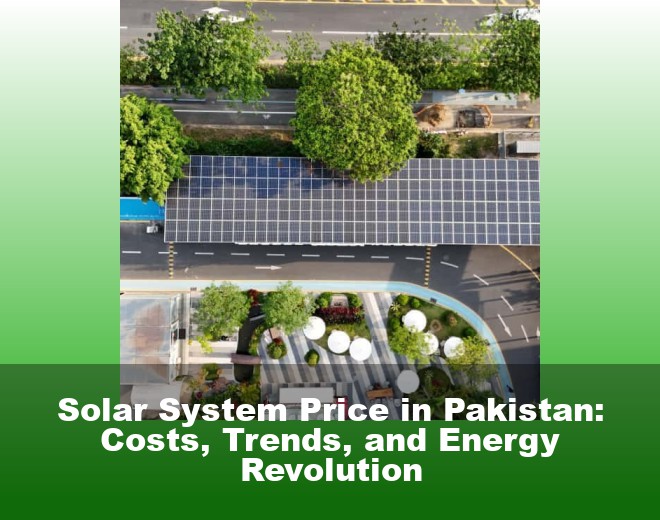
You know, it’s not just about climate change anymore. For Pakistani families staring at 350 USD monthly power bills – up 250% since 2023 – solar panels have become a survival tool. The average household now spends more on electricity than school fees or medical care. Imagine rationing air conditioning in 45°C heat because the grid-powered AC could cost more than your rent!
Energy Storage Price Trends Decoded
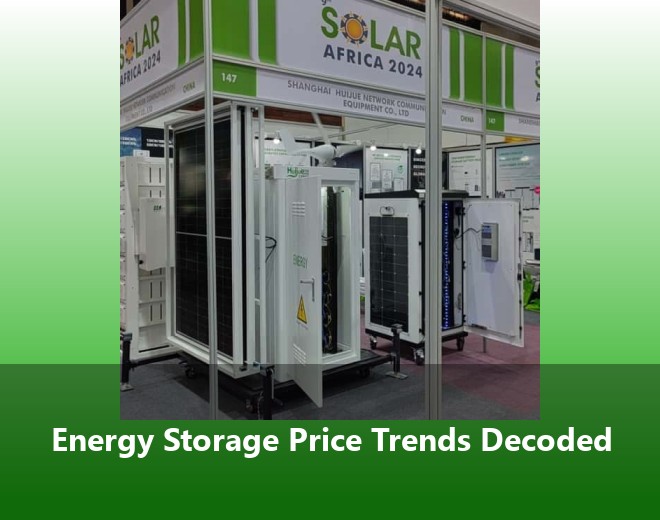
You know how everyone's talking about energy storage costs dropping like crazy? Well, lithium-ion battery packs have actually fallen 89% since 2010 according to BloombergNEF. But wait, no – that's not the whole story. Last quarter saw a 2% price increase due to cobalt shortages, proving this isn't some straight-line descent.
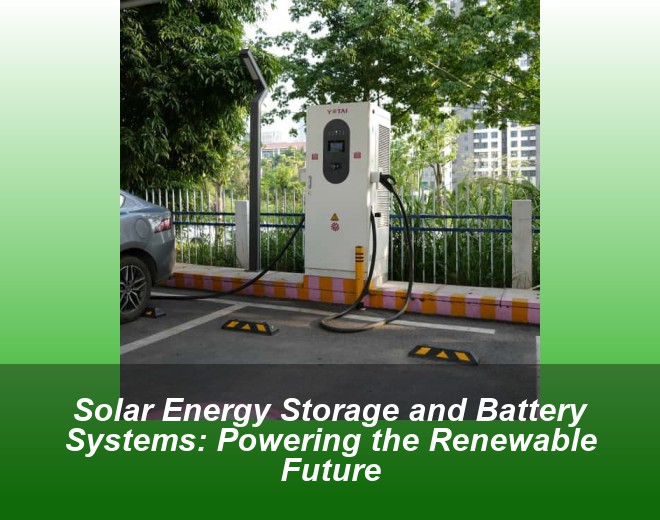
Solar Energy Storage and Battery Systems: Powering the Renewable Future
You know how people keep talking about solar energy storage like it's some futuristic concept? Well, it's already keeping lights on in California during blackouts and powering entire villages in sub-Saharan Africa. The global energy storage market grew 89% year-over-year in 2023, reaching $45 billion - but here's the kicker: we're still only using about 12% of our existing renewable generation capacity effectively.
 Inquiry
 Online Chat