


Ocean Energy Storage: The Untapped Frontier
Table of Contents
The Rising Tide of Energy Demand
Global electricity consumption's grown 12% since 2023, yet intermittent renewables still can't meet base load demands. Remember last winter's European energy crisis? That's what happens when 40% of a continent's power comes from weather-dependent sources without proper storage buffers.
The Grid Stability Paradox
Here's the kicker: We're adding solar capacity faster than ever (35% YoY increase), but California still curtailed 2.4TWh of renewable energy in 2024. That's enough to power 300,000 homes annually – wasted because we can't store it effectively.
Why Ocean Energy Storage?
While lithium-ion batteries dominate land-based storage (83% market share), seawater covers 71% of Earth's surface. The ocean's natural kinetic energy provides constant motion that could theoretically store 800TWh – equivalent to global monthly electricity consumption.
Let me paint a scenario: Imagine submerged concrete spheres off Portugal's coast storing energy through subsurface pressure differentials. When the grid needs power, seawater floods the chambers, spinning turbines. It's not sci-fi – prototypes achieved 76% round-trip efficiency in 2024 trials.
Technological Breakthroughs
The real game-changer? Salinity gradient batteries using seawater's natural ion differences. Pilots in Singapore's Marina Bay achieved 1.2MW/m³ energy density – triple conventional flow batteries' capacity.
- Modular tidal kites (Scotland's Orbital O2: 2MW capacity)
- Pumped hydro marine systems (Japan's 2025 Okinawa project)
- Bio-inspired membrane tech (Harvard's 2024 biomimetic design)
Coastal Community Transformation
Fishing villages aren't just about nets anymore. Take Egersund, Norway – their hybrid wave-to-wire system now powers 80% of local canneries. "We've become energy farmers of the sea," says village leader Ingrid Våge.
The $33 Billion Blue Economy
Marine energy storage's projected to capture 18% of the overall energy storage market by 2030. But here's the rub – corrosion resistance remains the Achilles' heel. New graphene-aluminum alloys (patented by OceanX in March 2025) could slash maintenance costs by 40%.
As we navigate these waters, one thing's clear: The ocean's rhythm might just become humanity's most reliable power metronome. The technology's there – it's now about riding the wave of political will and infrastructure investment.
Related Contents
Deep Sea Energy Storage: The Ocean's Hidden Power
You know how your phone battery dies right when you need it most? Now imagine that problem scaled up to power entire cities. As renewable energy adoption surges globally, we're facing a storage bottleneck that could literally darken our clean energy future. Traditional lithium-ion batteries work great for smartphones but stumble when asked to power nations - they're expensive, temperature-sensitive, and rely on scarce minerals.
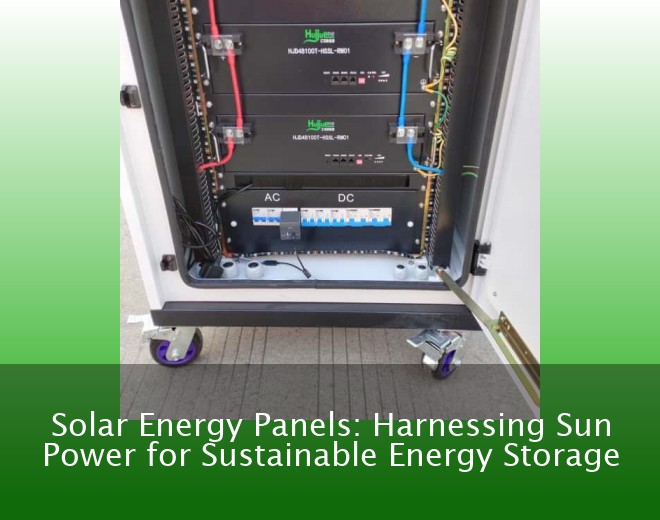
Solar Energy Panels: Harnessing Sun Power for Sustainable Energy Storage
Let's cut through the noise – solar panels alone won't solve our energy crisis. The real magic happens when photovoltaic cells meet advanced storage systems. Recent data shows lithium-ion batteries still dominate 78% of residential solar installations, but wait, no... actually, sodium-ion alternatives are gaining traction in utility projects due to lower fire risks.
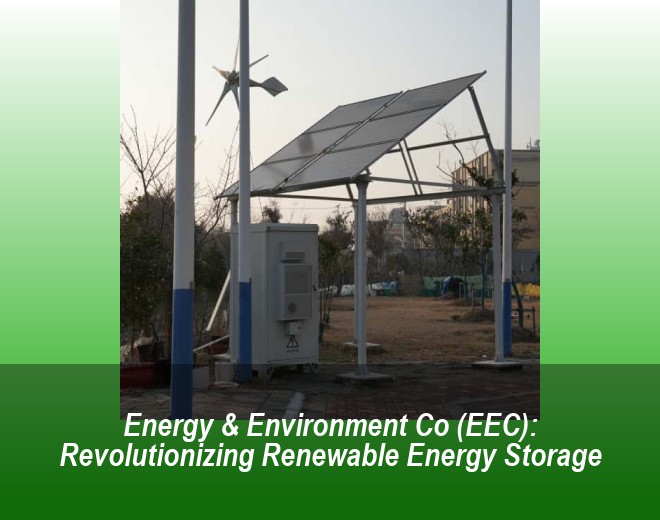
Energy & Environment Co (EEC): Revolutionizing Renewable Energy Storage
our global energy infrastructure's about as effective as a screen door on a submarine. Despite renewable capacity growing 93% year-over-year in China's latest quarterly report, we're still wasting 35% of generated clean energy due to inadequate storage solutions. The real kicker? Traditional lithium-ion batteries can't handle the scale required for grid-level storage.
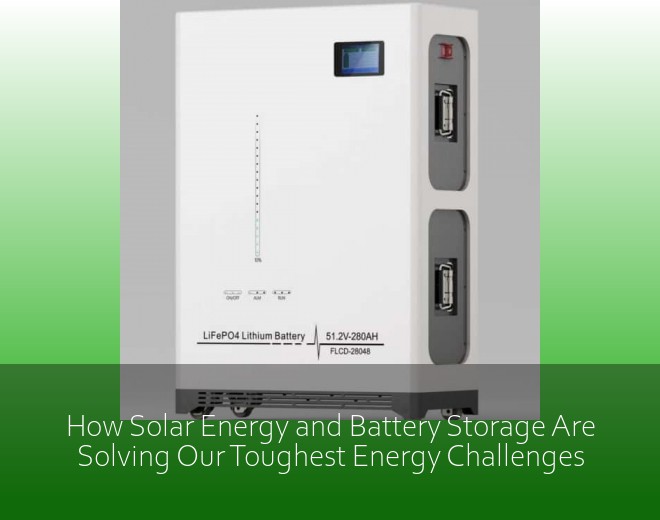
How Solar Energy and Battery Storage Are Solving Our Toughest Energy Challenges
Let's face it – our current energy model's about as stable as a house of cards in a windstorm. Fossil fuel prices swung wildly last quarter, with natural gas hitting $8.50/MMBtu in February before crashing to $4.20 by March. Meanwhile, extreme weather events knocked out power for 2.3 million U.S. households just last month. Solar energy isn't just an alternative anymore; it's becoming our safety net.
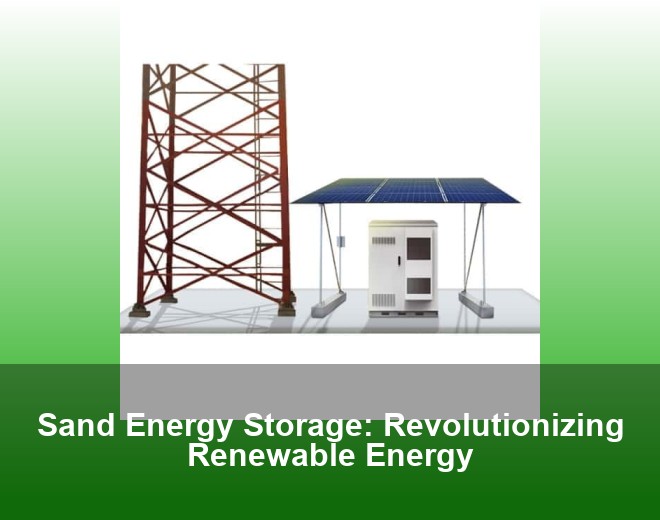
Sand Energy Storage: Revolutionizing Renewable Energy
As renewable energy adoption accelerates globally, we're facing a thermal storage crisis. Solar panels go dark at night. Wind turbines stop when breezes die. The problem isn't generation - it's preserving that clean energy for when we actually need it. Traditional lithium-ion batteries, while useful for short-term storage, become prohibitively expensive for grid-scale applications. Did you know that storing just 24 hours of global electricity demand would require $1.4 trillion worth of lithium batteries? There's got to be a better way.
 Inquiry
 Online Chat