


GEL Solar Batteries in South Africa
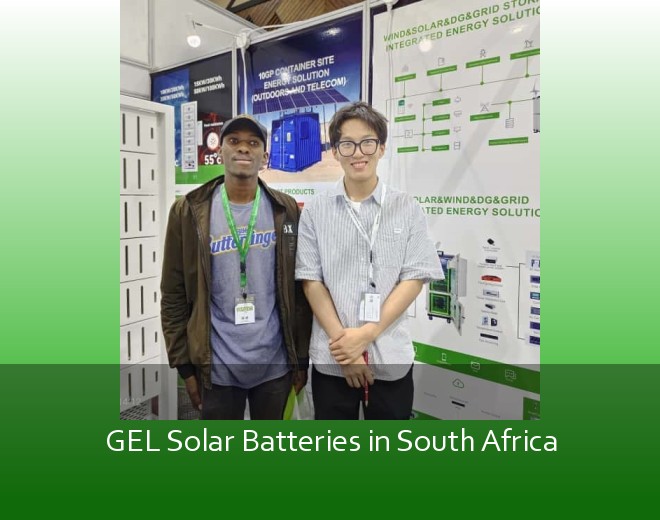
Table of Contents
South Africa’s Energy Crisis: Why Solar Storage Matters Now
You’ve probably felt it—the frustration when lights flicker off during evening peak hours. With Eskom’s rolling blackouts now exceeding 200 days annually, households and businesses across South Africa are asking: “Isn’t there a better way to keep the lights on?”
Here’s the kicker: Solar installations jumped 349% nationally since 2022, but without reliable storage, those panels sit idle during outages. That’s where GEL batteries enter the scene. Unlike flooded lead-acid models requiring monthly maintenance, these sealed units thrive in South Africa’s harsh climates—from Cape Town’s coastal humidity to Limpopo’s 40°C summers.
How GEL Batteries Outperform Traditional Options
Let’s break down why technicians are recommending GEL (Gelled Electrolyte) technology for solar storage:
- Deep cycling: Withstand 500+ full discharge cycles vs. 200-300 in standard lead-acid
- Zero leakage risks – crucial for rooftop installations
- 3-5 year lifespan even in partial state-of-charge (PSOC) conditions
Wait, no—actually, recent field data shows premium GEL models lasting 7+ years when paired with smart charge controllers. Take the De Aar farming co-op case: Their 48V battery bank has operated flawlessly since 2021 despite daily 80% depth-of-discharge (DoD).
Market Surge: Solar + Storage Adoption Trends
Johannesburg’s 2025 SOLAR SHOW AFRICA expects 40% exhibitor growth focused on storage solutions. Why? Because commercial users are realizing:
“A solar array without storage is like a sports car without wheels—it looks impressive but doesn’t deliver when needed.”
Residential demand isn’t lagging either. Capetonians installed 23,000 solar+storage systems in Q1 2024 alone, often choosing GEL for its fire safety—a major concern in townships with dense housing.
Real-World Success Stories Across Industries
A Durban hospital avoided 127 hours of generator use last winter by switching to GEL-based storage. Their secret sauce? Hybrid inverters that prioritize battery usage during off-peak tariffs.
Or consider SMMEs—small manufacturers in Ekurhuleni report 30% operational cost savings after datching diesel gensets with solar+GEL combos. One textile factory owner put it bluntly: “Eskom’s unreliability was killing my margins. Now I’m powering looms straight from sunlight captured at noon.”
Beyond Load-Shedding: Long-Term Energy Independence
While solving immediate outages is vital, forward-thinking municipalities are eyeing grid defection. Stellenbosch’s pilot microgrid—powered by 2MWh of GEL storage—has reduced grid dependence by 89% since March 2024.
The bottom line? South Africa’s energy transition isn’t just about surviving blackouts. It’s about seizing control through technologies that marry reliability with affordability. And right now, GEL solar batteries are leading that charge.
Related Contents
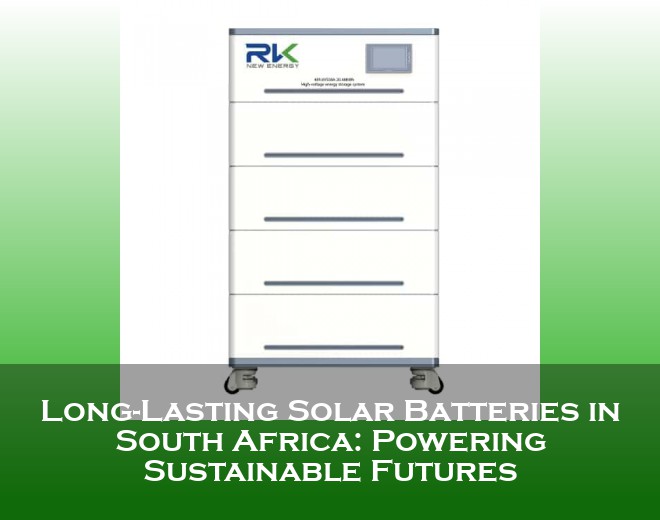
Long-Lasting Solar Batteries in South Africa: Powering Sustainable Futures
It's 6 PM in Durban, and Mamokgethi's family restaurant faces its third power outage this week. The hum of generators fills the air – but what if there was a better way? Enter long-lasting solar batteries, South Africa's silent revolution against unreliable grids.
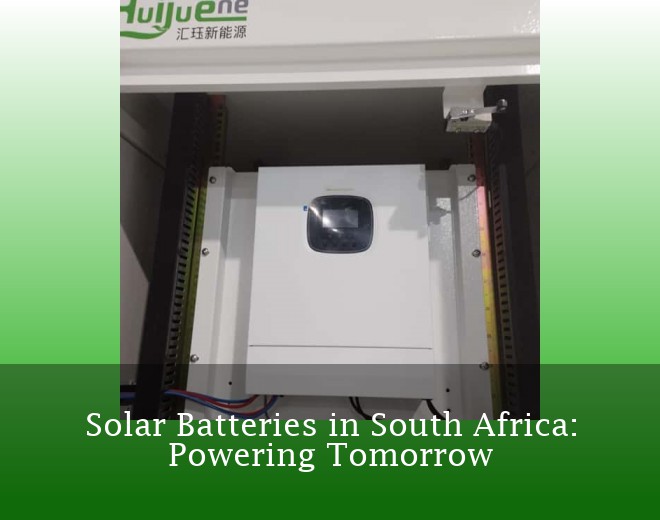
Solar Batteries in South Africa: Powering Tomorrow
You're halfway through baking your favorite malva pudding when the lights suddenly go out - again. This frustrating scenario became reality for South Africans during 200+ days of load shedding in 2023 alone. But why does a sun-drenched nation still struggle with power shortages?
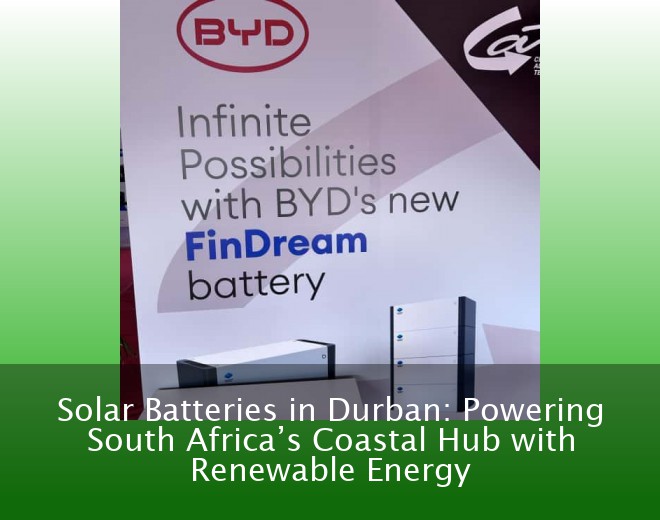
Solar Batteries in Durban: Powering South Africa’s Coastal Hub with Renewable Energy
Let’s face it—Durban’s energy landscape isn’t what it used to be. With frequent load-shedding and rising electricity costs, residents and businesses are scrambling for reliable alternatives. Solar batteries have emerged as a game-changer, offering a way to store excess solar energy during sunny hours for use at night or during outages. But why now? Well, the city’s unique coastal climate provides 2,500+ annual sunlight hours—a goldmine for solar potential.
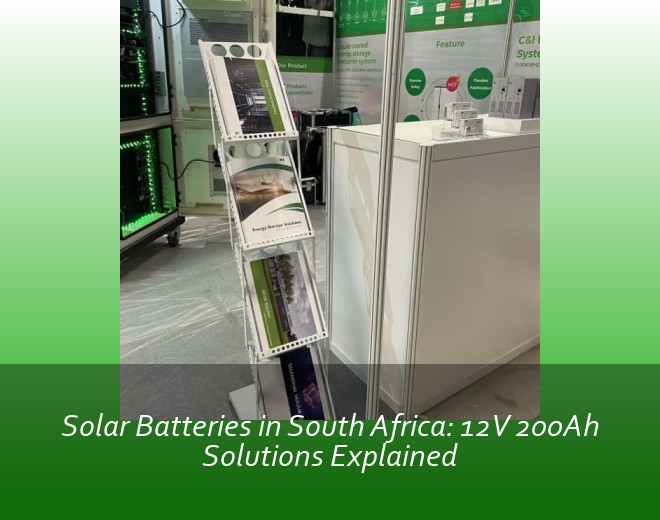
Solar Batteries in South Africa: 12V 200Ah Solutions Explained
You’ve probably lived through 150+ hours of load-shedding this year. Eskom’s latest reports show grid instability worsening, with Stage 6 outages becoming the new normal. But here’s what nobody’s telling you: 12V 200Ah solar batteries aren’t just backup power – they’re rewriting how South Africans interact with energy.
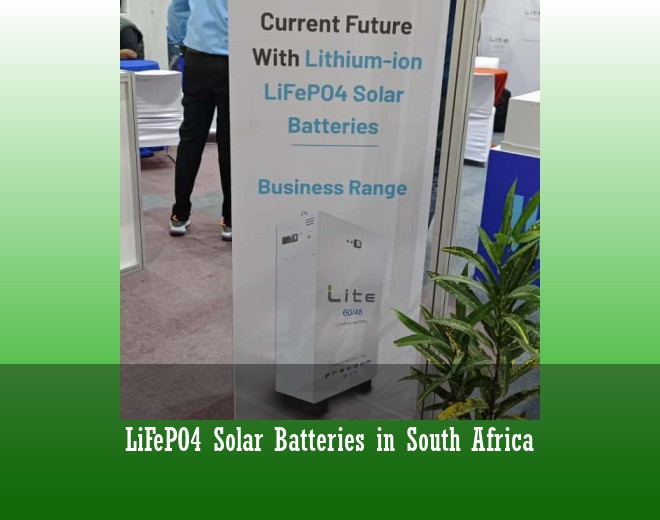
LiFePO4 Solar Batteries in South Africa
South Africa's energy crisis has become impossible to ignore. With Eskom's rolling blackouts worsening in 2024 (18% longer outages compared to Q1 2023), households and businesses are turning to LiFePO4 solar batteries as a reliable power solution. But here's the kicker: prices for these systems have dropped 23% since 2021 while performance metrics have jumped 40%.
 Inquiry
 Online Chat