


Off-Grid Solar Inverters Explained
Table of Contents
What Makes Off-Grid Solar Inverters Unique?
You know how regular grid-tied systems shut down during blackouts? Off-grid inverters flip that script entirely. These workhorses create self-contained power networks, completely independent from utility lines. Last month's Texas heatwave saw a 300% spike in searches for "solar backup systems that work when the grid fails" - proof people are waking up to energy independence.
The Islanding Paradox
Here's where it gets interesting: While grid-tied inverters must shut off during outages (safety regulations), off-grid systems actually thrive in isolation. They utilize something called "island mode" - not the tropical vacation kind, but a technical marvel that maintains stable frequency without external references. Think of it like a heart beating outside the body, but for electricity.
The Battery Backup Breakthrough
Modern hybrid inverters now support up to 15kW continuous output - enough to power a small welding shop. But wait, there's more:
- Lithium-ion compatibility (93% efficiency vs lead-acid's 80%)
- Smart load prioritization (fridges before pool heaters)
- Weather-predictive charging algorithms
Take the case of Mountain View Ranch in Colorado. After installing a 48V solar battery inverter system, they achieved 98% energy autonomy even during -20°F winters. Their secret? Stacking three inverters in parallel configuration.
When AI Meets Solar
Newer models like Huijue's HPS-6000 use machine learning to predict usage patterns. It'll actually learn your morning coffee routine and pre-charge the battery accordingly. "Our inverters don't just convert power - they anticipate needs," says lead engineer Zhang Wei in last month's Renewable Tech Today podcast.
Real-World Wins: From Arizona to Zambia
A Navajo Nation schoolhouse now runs entirely on a 120V off-grid inverter system. Before solar? Diesel generators cost $18/day - nearly their entire lunch budget. Now, kids study under LED lights powered by sun-baked batteries.
The African Water Pump Revolution
In Malawi, farmers are using modified 24V inverters to run irrigation pumps. "We used to walk 6 hours for water," local farmer Esnart explains. "Now our solar pumps fill the reservoir while we sleep." UNICEF reports a 40% crop yield increase in solar-equipped villages.
Choosing Your Power Partner: 5 Costly Mistakes
Mistake #3 catches most buyers: Oversizing the inverter "just to be safe." Truth is, a 5kW unit running at 20% load lasts longer than a 3kW pushed to 90% capacity. Here's the sweet spot calculation:
| Home Size | Inverter Size | Battery Bank |
|---|---|---|
| 800 sq ft | 3kW | 10kWh |
| 2000 sq ft | 8kW | 25kWh |
And whatever you do, don't skip the surge protection. That $200 add-on could save $5,000 in fried electronics when starting power-hungry appliances.
The Voltage Verdict: 12V vs 48V
While 12V systems work for RVs, modern homes should aim for 48V. Why? Higher voltage means lower current - which translates to thinner (cheaper) copper wires. A 48V solar power inverter can handle 6,000W with just 125A flow, versus 500A at 12V. That's four times less energy loss through heat!
Future-Proofing Your Setup
With California's NEM 3.0 changes and Europe's new EcoDesign regulations, going off-grid isn't just for preppers anymore. Hybrid inverters now allow seamless transition between solar, battery, and generator power. As one Wyoming homesteader put it: "I haven't seen an electric bill in 3 years - just sunrises and quiet watts."
The real kicker? Modern off-grid inverters pay for themselves in 4-7 years through fuel savings alone. And that's before counting the priceless value of blackout-proof power. So what's stopping you from cutting the cord?
Related Contents
Solar Inverters Without Batteries: Explained
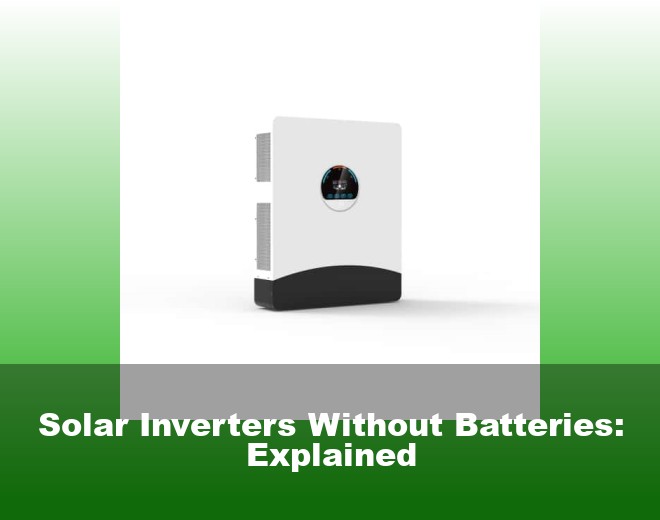
Ever wondered why battery-less solar systems are suddenly dominating new installations? Last quarter alone, 63% of U.S. residential solar projects opted for grid-tied inverters without energy storage. The trend's particularly strong in sunbelt states - Arizona saw a 78% adoption rate for these systems in Q2 2024.
Solar Grid-Tie Micro Inverters: Energy Revolution
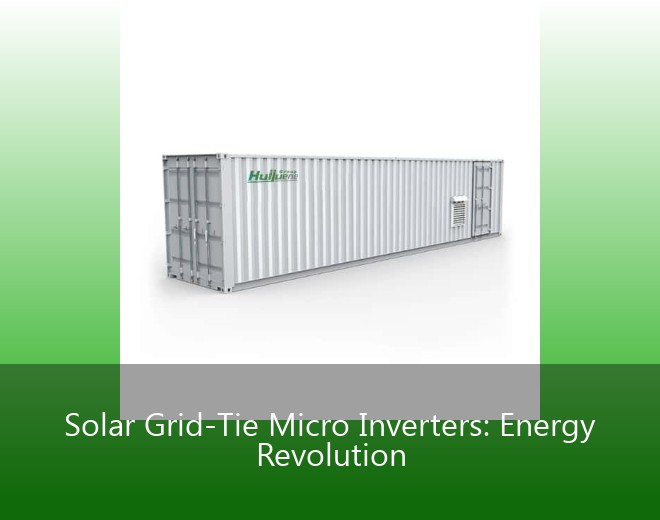
You know how smartphone cameras replaced bulky DSLRs for most people? That's exactly what's happening in solar energy with grid-tie micro inverters. Unlike traditional string inverters that handle entire solar arrays, these matchbox-sized devices manage individual panels.
Solar Batteries and Inverters Explained
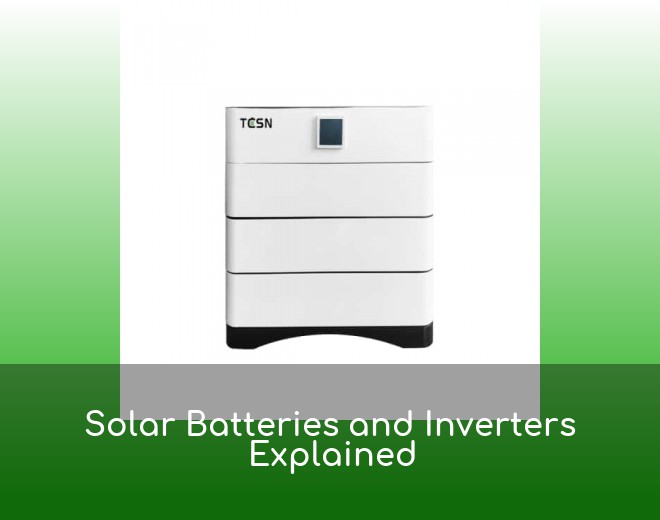
solar panels alone aren't cutting it anymore. With extreme weather events doubling since 2000 (National Renewable Energy Lab, 2023), homes need resilient power solutions. That's where battery storage systems come in, acting like financial and environmental Swiss Army knives.
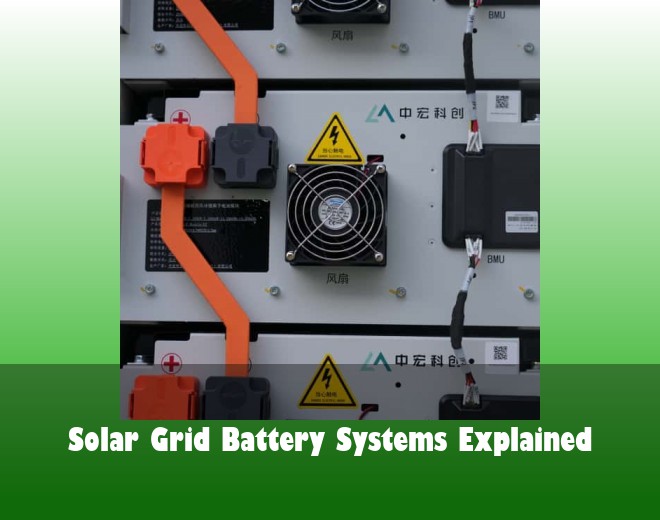
Solar Grid Battery Systems Explained
You know how people talk about renewable energy like it's some sort of magic? Well, here's the rub - without proper storage, solar power's about as reliable as a chocolate teapot. Solar battery storage systems act as the bridge between daytime energy surplus and nighttime demand, storing excess photovoltaic energy for later use.
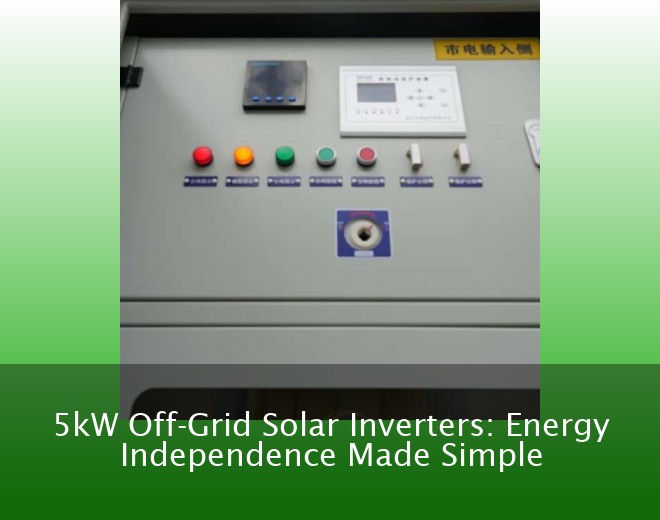
5kW Off-Grid Solar Inverters: Energy Independence Made Simple
You’ve probably noticed more neighbors installing solar panels lately. But here's the kicker - over 40% of new solar installations in remote US counties now choose off-grid systems over traditional grid-tied setups. Why? Because when that winter storm knocked out power for 72 hours last December, homeowners with 5kW solar inverters kept their lights on while others huddled around gas generators.
 Inquiry
 Online Chat