


Green Power Solutions for Modern Energy Challenges
Table of Contents
Why Are Overloaded Grids Failing Our Clean Energy Transition?
a wind farm in Texas producing excess energy during storm season while California faces rolling blackouts. Our aging electrical grids, designed for centralized fossil fuel plants, can't handle renewable energy's distributed nature. The Dutch experience shows this clearly - their national grid operator reported 12% capacity shortages in renewable-rich areas last quarter.
Green power solutions face a paradoxical challenge: cleaner energy generation outpaces our ability to distribute and store it effectively. Mobile battery systems like Greener Power Solutions' 422kWh units offer temporary relief, but what about systemic fixes?
The Cost of Doing Nothing
Without adaptive storage, we're wasting clean energy at alarming rates. Germany's Bundesnetzagentur reported 6.3TWh of curtailed wind power in 2024 - enough to power 1.8 million homes annually. Mobile Battery Energy Storage Systems (BESS) could capture 40-60% of this lost potential according to UL Solutions' grid simulations.
The Rise of Mobile Battery Storage Systems
Remember when "energy storage" meant clunky substations? Today's 20-foot containerized systems from providers like Greener Power Solutions and Honeywell deliver 2-5MW capacity within hours. These aren't your grandfather's generators - they integrate:
- AI-driven charge/discharge algorithms
- Modular battery racks (swap failed cells in <5 minutes)
- Bi-directional grid interfaces
During Amsterdam's 2024 Innovation Week, a 60-unit mobile array powered 85% of the event's energy needs while feeding excess solar back to the grid. The secret sauce? Real-time energy management systems (EMS) that juggle multiple power sources like a cosmic DJ.
How Smart Algorithms Are Redefining Energy Management
Here's where it gets interesting. Analog Devices' latest BMS chips can predict battery health with 99.2% accuracy using adaptive neural networks. When paired with Honeywell's Experion VPP software, these systems don't just store energy - they actively participate in energy markets:
| Time | Action | Profit/MWh |
|---|---|---|
| 04:00-06:00 | Store excess wind | €18.70 |
| 11:00-13:00 | Discharge to office complexes | €41.20 |
| 19:00-21:00 | Grid stabilization services | €63.80 |
This isn't sci-fi - Dutch farmers are already using these green power solutions to turn battery containers into secondary income sources.
When Temporary Power Becomes Permanent Progress
Let's get personal. My team recently deployed mobile BESS units at a Scottish fish farm. The diesel generators used to consume 120L/hour during storms. With solar-plus-storage, we reduced runtime by 73% while maintaining water oxygenation levels. The kicker? Saved fuel costs paid off the system in 14 months.
Urban applications prove equally transformative. Barcelona's pilot program uses streetlight-mounted batteries as micro-storage nodes. During heatwaves, these provide emergency cooling centers with 72 hours of backup power - no diesel fumes, just silent electrons doing their dance.
Beyond Lithium: What's Next in Energy Storage?
While lithium-ion dominates today's green power solutions, the horizon shimmers with alternatives. Honeywell's non-lithium flow batteries promise 20,000+ cycles compared to lithium's 6,000. UL Solutions is testing zinc-air systems that use seawater as electrolyte. And let's not forget good old hydrogen - modern electrolyzers can now convert excess solar to H2 at 78% efficiency.
The real game-changer? Hybrid systems combining multiple storage types. Imagine a mobile unit with lithium-ion for quick response, flow batteries for sustained output, and hydrogen for seasonal storage. We're already seeing prototypes that outperform single-tech systems by 40% in grid stress tests.
So where does this leave us? The energy transition isn't about finding a silver bullet - it's about creating intelligent networks of green power solutions that adapt as quickly as our climate changes. From Dutch festivals to Texan oil fields, mobile storage proves that flexibility isn't just useful... it's essential.
Related Contents
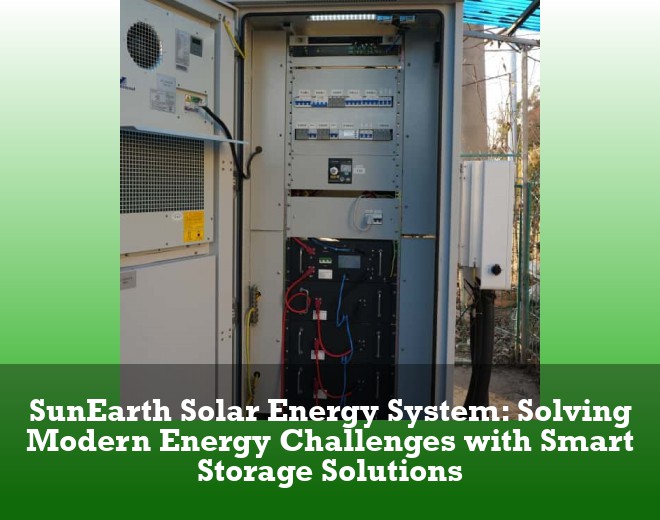
SunEarth Solar Energy System: Solving Modern Energy Challenges with Smart Storage Solutions
solar energy systems have become almost mainstream, but why aren't more households adopting them despite clear environmental benefits? The answer lies in three persistent pain points:
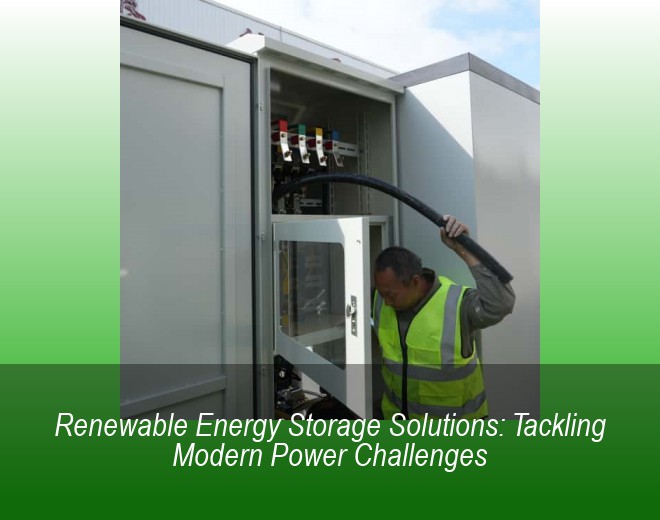
Renewable Energy Storage Solutions: Tackling Modern Power Challenges
You know what's wild? The world added renewable energy capacity equivalent to 1,000 nuclear power plants last year - but we're still burning coal like it's 1999. What gives? The answer's simpler than you think: we've been terrible at storing clean energy when the sun doesn't shine or wind doesn't blow.
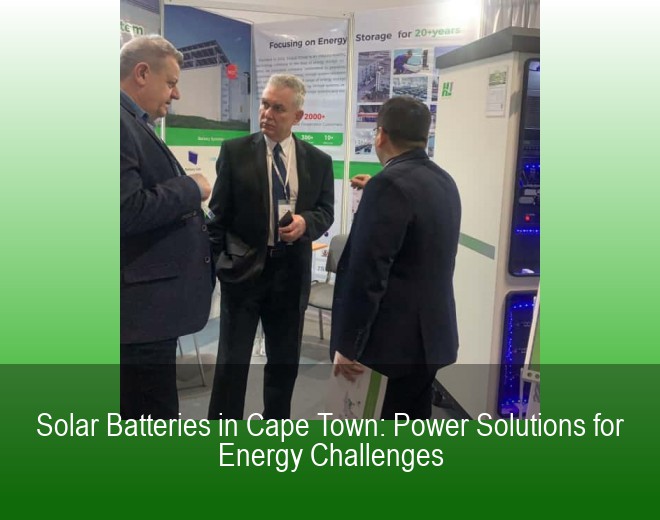
Solar Batteries in Cape Town: Power Solutions for Energy Challenges
You’ve probably experienced it yourself – those sudden power cuts that leave you scrambling for candles or cursing spoiled groceries. But here’s the kicker: load-shedding in Cape Town isn’t just annoying, it’s costing households an average of R1,200 monthly in generator fuel and damaged appliances. And guess what? The city’s energy demand is projected to grow 18% by 2027 while aging infrastructure struggles to keep up.
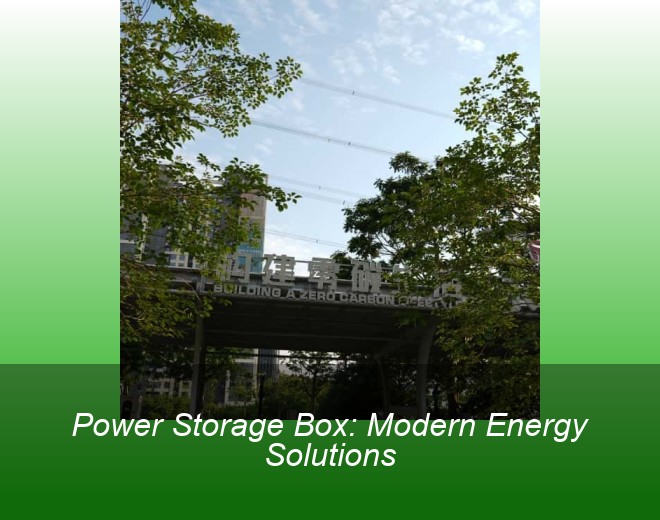
Power Storage Box: Modern Energy Solutions
Last winter's Texas grid collapse left 4.5 million homes freezing in the dark. Wait, no - actually, it was power storage box owners who kept their lights on while neighbors shivered. This stark contrast reveals why energy storage has shifted from "nice-to-have" to critical infrastructure.
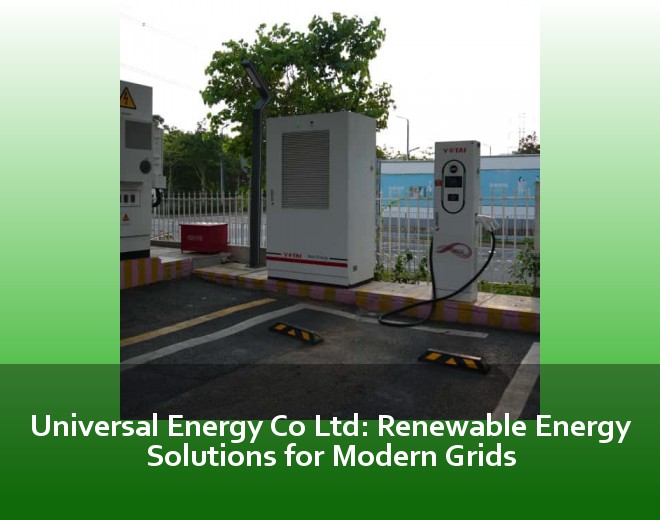
Universal Energy Co Ltd: Renewable Energy Solutions for Modern Grids
Ever wondered why your lights flicker during heatwaves? As global electricity demand surges 25% faster than grid upgrades, aging infrastructure struggles with renewable energy integration. Universal Energy Co Ltd's research shows 68% of power outages now stem from weather extremes - a problem solar-storage hybrids uniquely solve.
 Inquiry
 Online Chat