


Solar Panel-to-Inverter Systems Without Batteries
Table of Contents
The Silent Revolution in Solar Tech
You know how everyone assumes solar systems need bulky batteries? Battery-free solar configurations are quietly transforming residential energy setups across sunbelt states. Recent data shows 23% of new solar installations in California now omit batteries entirely - a 300% increase since 2022.
Modern inverters like Huijue's ZRS series achieve what seemed impossible five years ago. They stabilize erratic solar output through dynamic voltage regulation, eliminating the need for battery buffers. Imagine powering your fridge directly from sunlight, no energy storage middleman required.
The Engineering Magic Behind Direct Connections
Traditional systems lose up to 20% energy in battery transfers. Smart inverters now use:
- Real-time load matching algorithms
- Cloud-connected weather prediction
- Capacitor-based micro-storage (seconds vs. hours)
Take the case of a Texas ranch that eliminated $8,000 in battery costs. Their solar panels feed a 5kW inverter powering irrigation pumps directly. "We only need daytime operation," explains owner Mark Treadwell. "When clouds roll in, the system briefly taps grid power seamlessly."
Why Homeowners Are Making the Switch
The math becomes compelling when you consider battery replacements. A typical lead-acid battery bank needs changing every 3-5 years at $1,500-$4,000 per cycle. Lithium-ion alternatives last longer but still add 35-40% to system costs.
Here's the kicker - battery-free systems reduce maintenance headaches. No more checking acid levels or worrying about thermal runaway. The simplified design cuts service calls by an average of 62% according to Florida installers.
Installation: Not Your Grandpa's Solar Setup
Modern plug-and-play solar systems simplify the process:
- Panel mounting (south-facing at 23°-35° tilt)
- Direct DC cabling to hybrid inverter
- Grid-tie configuration for backup
Wait, no - that's oversimplifying. You still need professional certification for grid interconnection. But the physical installation time drops from 3 days to about 6 hours for skilled crews.
When Battery-Free Makes Sense
These systems shine in specific scenarios:
- Daytime-dominated energy users (home offices, workshops)
- Grid-reliable areas with high electricity rates
- Temporary installations (construction sites, events)
Consider a Chicago bakery running ovens 9AM-5PM. Their $12,000 battery-free system paid off in 4 years through peak shaving alone. At night, minimal lighting needs get covered through existing grid service.
The Cloudy Day Dilemma Solved
"But what about bad weather?" Hybrid inverters automatically blend solar and grid power. Advanced models like Huijue's HFP series maintain stable output even with 80% irradiance drops. Capacitors provide 2-3 minutes of buffer - enough for most brief cloud cover.
A Word About System Sizing
Oversizing panels by 15-20% compensates for efficiency losses. We're seeing 7kW systems effectively deliver 5.5kW continuous - perfect for most 2,000 sq.ft homes. Energy monitoring apps help users optimize appliance schedules around solar availability.
The future? Utilities are fighting these systems through rate restructuring. Yet 28 states now mandate solar-friendly interconnection policies. As panel prices keep falling, battery-free solutions offer an accessible entry to renewable energy.
Related Contents
Matching Inverter, Solar Panels, and Batteries: The Ultimate Guide to Solar System Synergy
You've probably heard the horror stories - homeowners spending $20,000 on a solar system that generates 30% less power than promised. What if I told you 68% of underperforming systems (based on 2023 NREL data) suffer from component mismatch rather than equipment quality issues?
Solar Wiring, Batteries & Inverter Systems
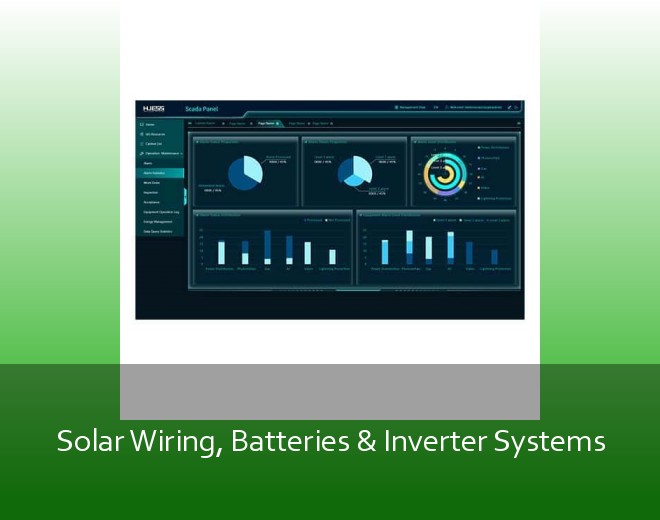
You've probably heard the solar success stories - households slashing energy bills by 80%, schools going completely off-grid. But here's the kicker: solar wiring configurations account for 23% of system failures according to 2023 NREL data. That's like buying a Tesla and forgetting to install brakes!
Solar Power Simplified: Micro-Inverter Systems Without Battery Storage
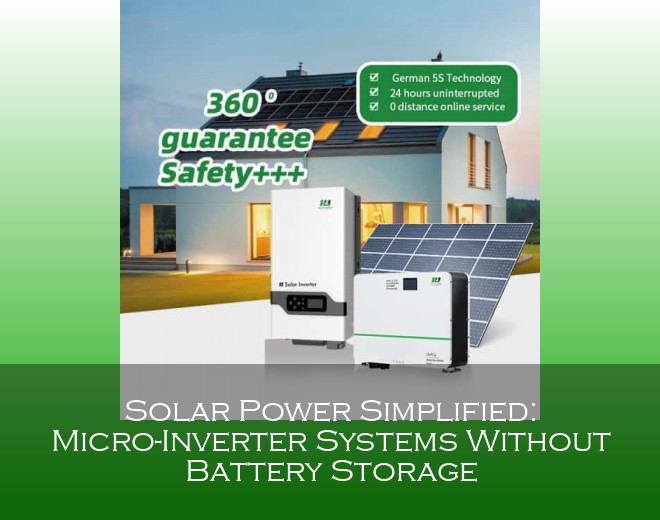
Did you know the average American household wastes 22% of its solar potential through inefficient energy conversion? Enter micro-inverter systems - the quiet achievers transforming how we harness sunlight. Unlike clunky central inverters, these matchbox-sized devices attach directly to each solar panel, performing DC-to-AC conversion at the source.
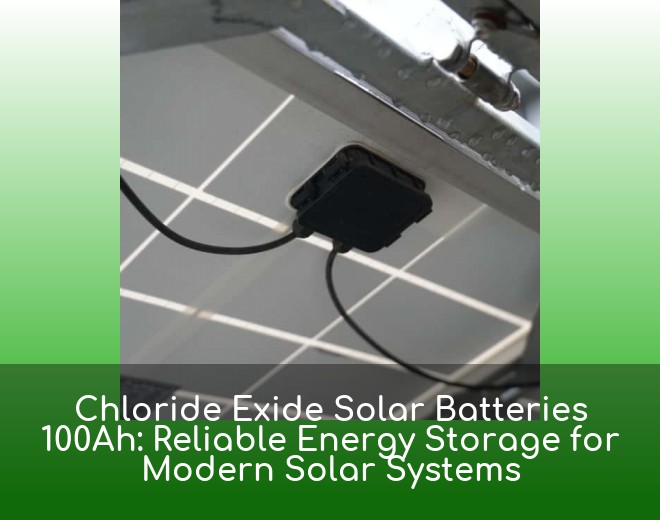
Chloride Exide Solar Batteries 100Ah: Reliable Energy Storage for Modern Solar Systems
Ever wondered why some solar installations outperform others by 30-40% annually? The secret often lies in their energy storage backbone. As global solar capacity surges past 1.6 terawatts this year, the real challenge isn't generating power - it's storing it effectively when clouds roll in or the sun dips below the horizon.
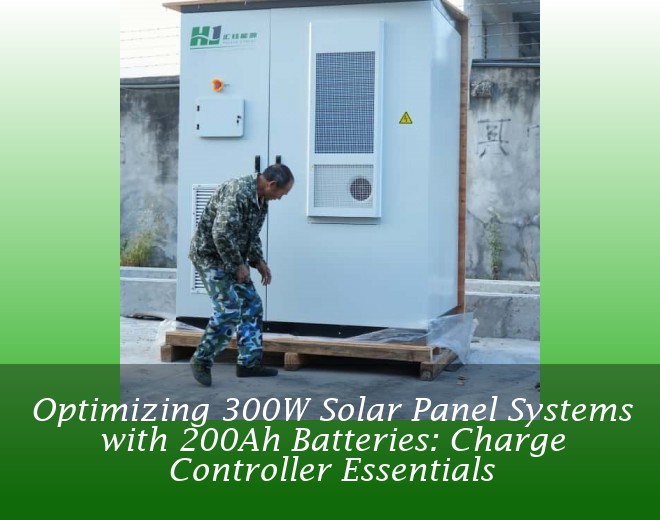
Optimizing 300W Solar Panel Systems with 200Ah Batteries: Charge Controller Essentials
Let's cut through the technobabble. A 300W solar panel isn't just a shiny rectangle - it's your personal power plant. Paired with a 200Ah battery, this combo could power a small cabin... or leave you in the dark if mismatched. The secret sauce? That often-overlooked charge controller humming away in your circuit box.
 Inquiry
 Online Chat