


Energy Storage: The Missing Link in Our Renewable Future
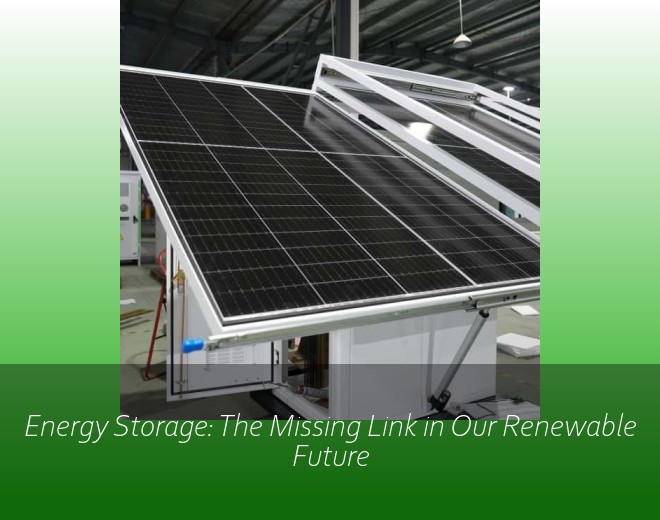
Table of Contents
The Storage Imperative: Why Energy Storage Can't Wait
California's solar farms producing 15% more electricity than needed at noon... while hospitals 200 miles away fire up diesel generators during evening blackouts. This isn't dystopian fiction - it's today's renewable energy paradox. The global push for decarbonization has hit a fundamental roadblock: energy storage systems haven't kept pace with generation advances.
The Intermittency Problem
Solar panels sleep at night. Wind turbines yawn during calm days. Even hydropower stumbles in droughts. The International Renewable Energy Agency (IRENA) estimates 35% of renewable generation gets curtailed (read: wasted) annually due to mismatched supply and demand. That's enough to power Germany for a year - literally blowing in the wind or baking unused in solar farms.
But here's where it gets interesting: The U.S. Department of Energy just allocated $350 million (March 2024 update) for long-duration storage projects. Why the sudden urgency? Because every delayed storage solution means burning more natural gas when renewables nap.
From Lithium to Gravity: Storage Innovations Changing the Game
When we say "battery storage systems", lithium-ion isn't the only show in town anymore. Let's break down the contenders:
- Lithium-Sulfur (Li-S): 3x energy density of traditional lithium-ion, but with a catch - they currently last about as long as your first smartphone battery
- Flow Batteries: Imagine refueling your power plant like a gas station - these liquid-based systems allow instant capacity upgrades
- Gravity Storage: Using cranes to stack 35-ton bricks? It's happening in Switzerland's Energy Vault project
Now, I've personally witnessed a 20MW sodium-ion battery system in Jiangsu, China that costs 40% less than equivalent lithium setups. The trade-off? It's the size of a Walmart supercenter. But when land is cheaper than rare metals, this math works.
The Dollars and Sense of Storing Sunshine
Let's cut through the hype: a 2023 Lazard study shows utility-scale energy storage costs dropped 12% year-over-year, now averaging $285/MWh. But wait - natural gas peaker plants still clock in at $165/MWh. So why are utilities paying the premium?
The answer lies in ancillary services you never hear about. Modern grid operators pay top dollar for:
- Frequency regulation (keeping the grid's "heartbeat" steady)
- Black start capability (rebooting dead grids)
- Capacity credits (insurance against demand spikes)
A Tesla Megapack in Texas reportedly earned 60% of its revenue from these "invisible" grid services last quarter. Suddenly, that storage premium starts making sense.
Where the Rubber Meets the Road: Regional Storage Champions
China's Storage Surge
With 130 new energy storage projects approved in January 2024 alone, China isn't just leading in deployment - they're rewriting the rulebook. Their latest twist? Mandating solar farms to include storage capacity matching 20% of peak output. It's like requiring every gas station to build its own refinery.
Germany's Homegrown Revolution
Over 300,000 German households now sport solar+storage systems - not for ideology, but hard economics. Feed-in tariffs dropped 40% since 2022, making self-consumption essential. The result? A 9kWh home battery pays back in 7 years instead of 12.
The Storage Solutions You Haven't Heard About (But Should)
While batteries grab headlines, the real storage workhorses are often hidden in plain sight:
| Technology | Capacity | Duration | Best For |
|---|---|---|---|
| Pumped Hydro | 10GW+ | 12-24h | Grid-scale storage |
| Molten Salt | 100MW | 6-8h | Solar thermal plants |
| Compressed Air | 500MW | 8-12h | Former salt mines |
Take Malta Inc.'s thermal storage prototype - it stores electricity as heat in molten salt and cold in liquid air. Sounds like a high school science fair project? Maybe, but Google's parent company Alphabet invested $50 million in 2023.
The Hydrogen Wildcard
While everyone argues about green hydrogen's efficiency (or lack thereof), Australia's demonstrating practical hybrid models. Their "Big Battery" in Victoria works alongside a hydrogen electrolyzer - using batteries for instant response and hydrogen for multi-day reserves. It's like having a sprinter and marathon runner on the same team.
Storage's Hidden Hurdles: It's Not Just About Tech
After advising 17 national grid operators, I can confirm the toughest storage barriers aren't technical - they're regulatory dinosaurs. Many markets still classify storage as "generation" or "load", creating permitting nightmares. California took 3 years to create a standalone storage category. Emerging markets? They're still using 1980s-era grid codes.
Then there's the materials crunch. Each Tesla Powerwall needs 15kg of lithium. Multiply that by the 2.5 billion households worldwide... you see the problem. Researchers are scrambling for alternatives - potassium-ion batteries show promise, but commercial viability remains 5-8 years out.
The Cybersecurity Timebomb
As grids become dependent on distributed storage, vulnerabilities emerge. A 2023 simulated attack on a virtual Texas grid showed how hacked storage systems could cause 9-hour blackouts. The solution? Blockchain-based control systems being tested in Tokyo's microgrids.
Storage at the Edge: Beyond the Grid
In Nigeria's Lagos, solar-powered cold storage units are reducing post-harvest losses by 70% - using nothing but phase-change materials and good insulation. Meanwhile, California's wildfire-prone areas now deploy mobile storage pods that can power entire towns for 72 hours.
But here's my favorite: Cruise lines are installing 50MWh storage systems to meet emission rules while docked. Carnival Corporation's new ships can silence their diesel engines in port, saving $2 million annually in fuel costs. Who said storage was just for land lovers?
Storage's Next Frontier: Software Eats the Grid
The real magic happens when energy storage systems get smart. Australia's Hornsdale Power Reserve (aka the Tesla Big Battery) made headlines for responding to a coal plant failure in 140 milliseconds - 10x faster than traditional plants. But the unsung hero? Its neural network that predicts market prices and grid needs 48 hours ahead.
Startups like Germany's Instagrid are shrinking this intelligence into suitcase-sized units. Their 2kW storage system uses machine learning to optimize power use for off-grid construction sites. It's like having an AI electrician in every toolbox.
The Human Factor
During a recent blackout in Texas, a neighborhood with Powerwalls accidentally created a microgrid - because homeowners didn't realize their systems could "island". Turns out, user education matters as much as engineering. Utilities now run "Storage 101" workshops alongside installation crews.
Storage's Dirty Little Secret: It's Not Always Green
Let's get real: manufacturing a 100kWh lithium battery emits 5-15 tons of CO2. That means an EV needs 3 clean years to offset its storage footprint. Flow batteries using vanadium? Mining that metal can contaminate water supplies if unmanaged.
The industry's racing to solve this through:
- Battery passport systems tracking material origins
- Recycling breakthroughs like Redwood Materials' 95% recovery rate
- Bio-based alternatives - imagine batteries grown from corn starch
But progress is uneven. While Europe mandates 70% battery recycling by 2030, Asia's still landfilling 60% of spent storage units. The solution might lie in economics: recovered lithium sells at half virgin material's cost. Greed could save the day where goodwill falters.
Storage in the Wild: Lessons From the Frontlines
Working on a microgrid project in Puerto Rico post-Hurricane Maria taught me storage's human impact. We installed solar+storage systems at 12 clinics - vaccine refrigerators stayed cold through 5-day blackouts. But the real challenge wasn't tech; it was teaching staff to trust batteries over familiar diesel.
Then there's the Alaskan village that replaced diesel generators with a wind+storage system. They now sell excess power back to the grid via blockchain - turning an energy consumer into a profit center. Storage didn't just keep lights on; it reversed economic flows.
The Road Ahead: Storage's Make-or-Break Decade
By 2030, BloombergNEF predicts the global energy storage market will hit $500 billion annually. But growth isn't guaranteed - supply chain snarls, policy flip-flops, and community pushback against mega-batteries (not in my backyard!) could derail progress.
The ultimate prize? Getting storage costs below $100/kWh - the threshold where renewables+storage undercut fossil fuels everywhere. We're at $150/kWh today. Closing that gap needs more than incremental gains - it demands storage's "iPhone moment".
Maybe that's liquid air storage scaling up. Perhaps hydrogen cracks the efficiency code. Or possibly, some kid in a garage right now is inventing storage tech we can't even imagine. One thing's certain: without storage, the renewable revolution hits a dead end. With it, we rewrite humanity's energy playbook.
Related Contents
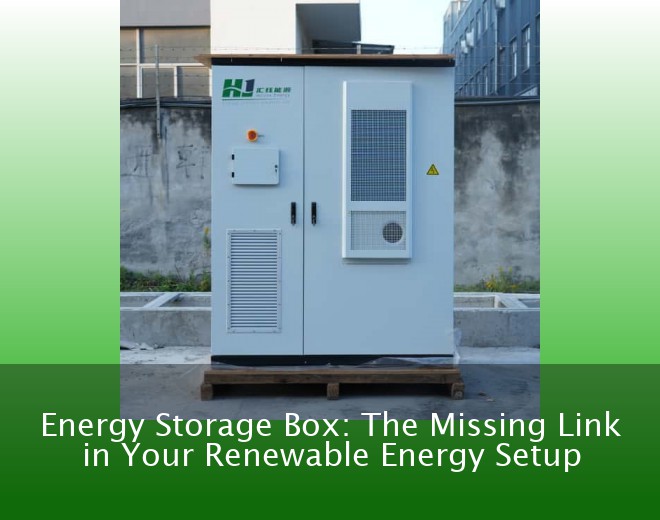
Energy Storage Box: The Missing Link in Your Renewable Energy Setup
Let’s face it – solar panels and wind turbines are having a moment. But what happens when the sun isn’t shining or the wind isn’t blowing? This isn’t some theoretical problem. Last February, Texas experienced rolling blackouts despite having 35GW of installed wind capacity. The culprit? A classic case of intermittency in renewable generation.
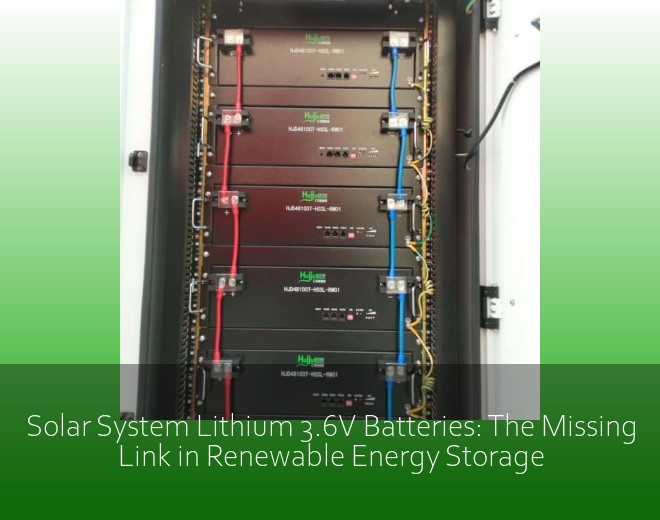
Solar System Lithium 3.6V Batteries: The Missing Link in Renewable Energy Storage
You've probably heard the sales pitch: "solar panels will cut your energy bills." But here's what they don't tell you - 63% of residential solar installations underperform expectations within 18 months. Why? The dirty secret lies in what happens after sunset.
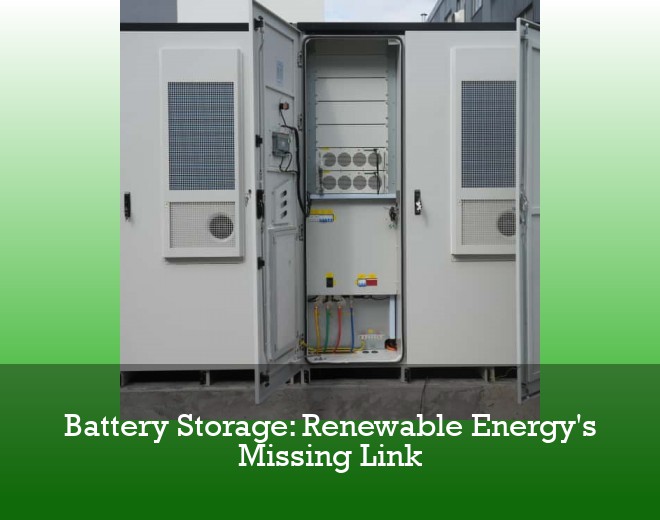
Battery Storage: Renewable Energy's Missing Link
Ever wondered why your solar panels sit idle during blackouts? The harsh truth: energy storage remains renewable power's Achilles' heel. While global solar capacity reached 1.6 terawatts in 2024, only 12% of installations pair with storage according to BloombergNEF's March 2025 report.
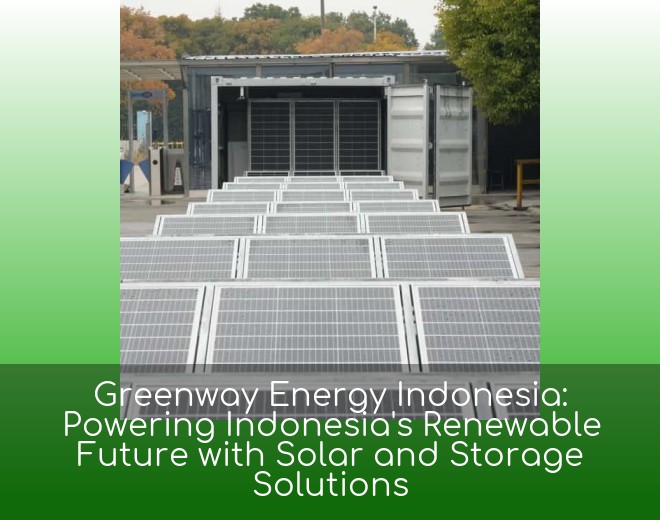
Greenway Energy Indonesia: Powering Indonesia's Renewable Future with Solar and Storage Solutions
A nation spanning 17,000 islands, where 25% of households lack reliable electricity access despite sitting atop 3,692 GW of renewable energy potential . Indonesia's energy paradox isn't just ironic – it's a ticking time bomb. With coal still fueling 61% of power generation, the archipelago faces mounting pressure to reconcile economic growth with its net-zero pledges.
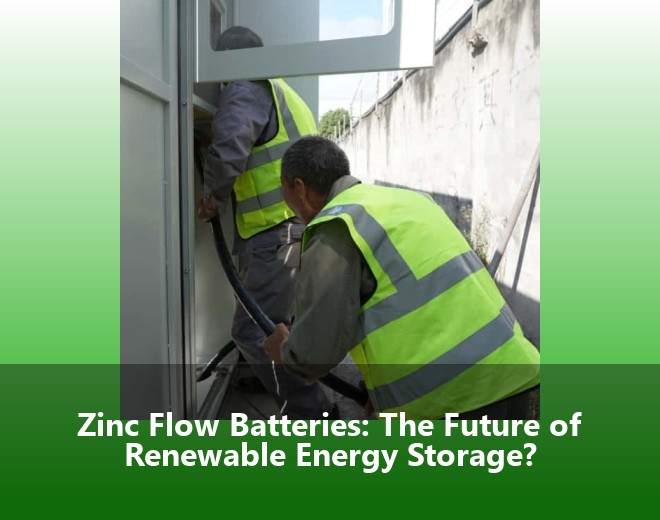
Zinc Flow Batteries: The Future of Renewable Energy Storage?
With global renewable energy capacity projected to grow by 75% by 2030, the race for efficient energy storage solutions has never been fiercer. Lithium-ion batteries dominate headlines, but their limitations—like fire risks and cobalt dependency—are pushing innovators toward alternatives. Enter zinc flow batteries, a technology quietly gaining traction in utility-scale projects. Did you know that over 12% of new U.S. solar farms now include flow battery storage pilots?
 Inquiry
 Online Chat