


Breaking Down Photovoltaic Energy Costs: From Panels to Profitability
Table of Contents
The Solar Cost Plunge: What's Behind the Numbers?
Let's cut through the hype - photovoltaic energy costs have dropped 82% since 2010 according to IRENA, but what's really driving this price freefall? The answer lies in a perfect storm of technological innovation and manufacturing scale-up. Take crystalline silicon modules - they've gone from $3.60/W in 2008 to under $0.20/W today. That's like your smartphone costing $50 instead of $800!
But wait, no... Actually, module prices aren't the whole story. A 50MW utility-scale project in Texas last quarter revealed that balance of system (BOS) costs now account for 60% of total expenditure. We're talking inverters, racking, labor, and those sneaky soft costs like permitting and grid interconnection fees.
Hardware Breakdown: Where Your Dollar Goes
Let's break down a typical $0.98/W utility-scale installation:
- Modules: 38% ($0.37/W)
- Inverters: 12% ($0.12/W)
- Structural BOS: 18% ($0.18/W)
- Electrical BOS: 15% ($0.15/W)
- Soft Costs: 17% ($0.17/W)
The real kicker? Module efficiency gains have sort of plateaued around 22-23% for PERC cells. So where's the next big cost reduction coming from? Three words: smarter system integration. Take bifacial modules with single-axis trackers - they're squeezing out 15-30% more energy from the same footprint.
The 20% Hidden Costs You Never Calculated
You know what's more frustrating than a cloudy day? Discovering your operation and maintenance (O&M) costs just ate 25% of projected profits. A recent analysis of 2GW solar farms showed:
| Cost Category | % of Lifetime Costs |
|---|---|
| Preventive Maintenance | 43% |
| Corrective Repairs | 29% |
| Asset Management | 18% |
| Insurance | 10% |
Here's the kicker - vegetation management alone can cost $7,000 annually per MW. That's why leading operators are deploying AI-powered drones for predictive maintenance. One plant in Arizona reduced O&M costs 18% using machine learning to forecast panel degradation.
LCOE Revolution: Why Solar Now Beats Fossil Fuels
The levelized cost of energy (LCOE) for utility-scale PV has dropped to $24-96/MWh globally. But how does this translate to real-world advantage? Let's compare:
"In 2023, new solar projects undercut existing coal plants on price in 85% of global markets" - BloombergNEF
Consider Texas' Solar+Storage boom - developers are locking in 24/7 clean power contracts at $35/MWh. That's cheaper than natural gas peaker plants during summer peaks. The secret sauce? Pairing PV with 4-hour battery storage to shift production into high-price periods.
Future-Proofing Solar Economics
As we approach 2030, three emerging technologies could slash PV system costs another 40%:
- Perovskite tandem cells (35%+ efficiency)
- Robotic installation systems
- Blockchain-enabled grid services
Take perovskite - Oxford PV's commercial tandem modules achieved 28.6% efficiency in June 2024 trials. When paired with automated assembly lines, this could reduce module production costs by 30¢/W. That's the kind of innovation keeping fossil fuel executives awake at night.
The bottom line? While solar energy costs have reached historic lows, the industry's relentless innovation cycle promises continued value creation. From smarter O&M strategies to next-gen materials, photovoltaic technology keeps rewriting the rules of energy economics.
Related Contents
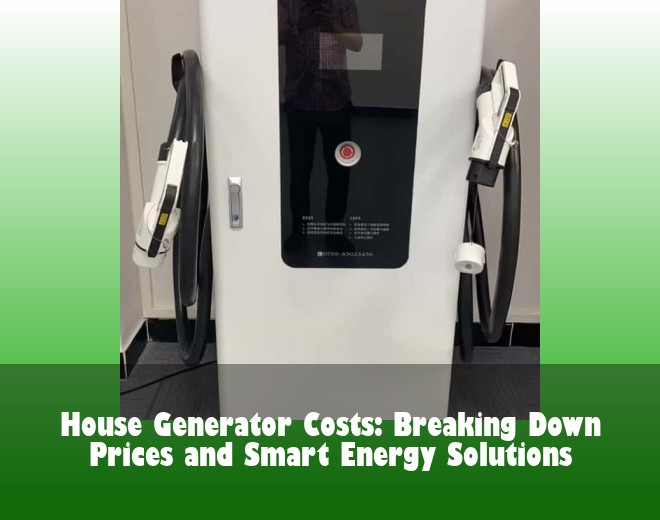
House Generator Costs: Breaking Down Prices and Smart Energy Solutions
Let's cut through the noise – when you're looking at house generators, the first number that hits you is that $500-$15,000+ price range. But why such a massive spread? The answer lies in three critical elements:

Breaking Down Solar Energy Costs: 2025 Update
Let's cut through the noise - when we talk about solar panel costs, we're really discussing three main players: hardware, labor, and Mother Nature's cooperation. The typical 6kW residential system now ranges between $11,000-$18,000 before incentives, but why such variation?
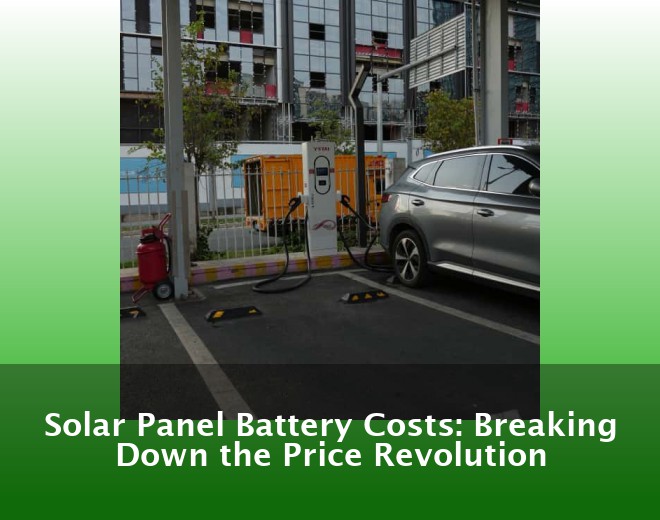
Solar Panel Battery Costs: Breaking Down the Price Revolution
Let's cut through the noise: solar panel battery costs have dropped 62% since 2020, yet most homeowners still don't understand why their quotes vary wildly. The average 10kWh residential system now ranges between $8,000-$12,000 installed, but wait – that lithium-ion workhorse in your garage? Its production costs actually increased 18% last quarter due to cobalt shortages.

Photovoltaic Solar Panels: Energy Revolution
You know how plants convert sunlight into energy? Solar panels do something similar but with silicon crystals instead of chlorophyll. When photons hit the PV cells, they knock electrons loose - creating direct current electricity. An inverter then converts this to the AC power your toaster understands.
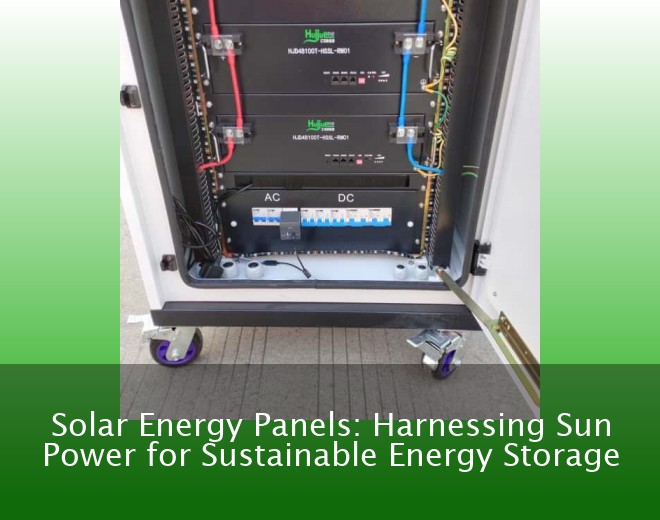
Solar Energy Panels: Harnessing Sun Power for Sustainable Energy Storage
Let's cut through the noise – solar panels alone won't solve our energy crisis. The real magic happens when photovoltaic cells meet advanced storage systems. Recent data shows lithium-ion batteries still dominate 78% of residential solar installations, but wait, no... actually, sodium-ion alternatives are gaining traction in utility projects due to lower fire risks.
 Inquiry
 Online Chat