


Battery Storage Solutions for Renewable Energy

Table of Contents
The Grid's Dirty Secret: Why Battery Storage Matters Now More Than Ever
You know that feeling when your phone dies during a video call? Now imagine that happening to entire cities. Last winter's Texas power outages left 4.5 million homes shivering in the dark - a brutal reminder that our energy systems need backup plans. Enter battery energy storage systems (BESS), the unsung heroes of electricity reliability.
The Solar Paradox
California now curtails enough solar energy daily to power 100,000 homes. Why? Because the sun doesn't care about our 9-to-5 schedules. Without storage, we're literally throwing away clean energy. Lithium-ion batteries have dropped 89% in cost since 2010, making storage finally viable. But is this enough?
Beyond Lithium: Chemistry Wars Heating Up
While Tesla's 4680 cells grab headlines, Chinese manufacturers are pushing LFP (lithium iron phosphate) batteries to 6,000-cycle lifespans. Sodium-ion batteries recently achieved commercial viability, offering 40% cost savings. Then there's the dark horse: iron-air batteries could provide 100-hour storage at $20/kWh.
"The next decade will see more battery innovation than the previous century" - Dr. Elena Markovic, MIT Energy Initiative
When Theory Meets Reality: Storage That Works
Take South Australia's Hornsdale Power Reserve. This Tesla-built energy storage facility:
- Stabilized regional grid frequency within milliseconds during a coal plant failure
- Saved consumers $150 million in its first two years
- Responds 100x faster than traditional gas peaker plants
But here's the kicker - their batteries are already undergoing chemistry upgrades without infrastructure changes. Modular design matters.
The Elephant in the Room: Storage's Growing Pains
Raw material shortages could slam the brakes. Lithium demand might outstrip supply by 2030. Cobalt's ethical mining issues persist. Recycling? We're only recovering 5% of critical materials today. And let's not forget the fire risks - 23 major BESS fires occurred globally last year.
Yet solutions are emerging. CATL's new zero-cobalt batteries use 50% less lithium. Fire suppression systems now detect thermal runaway in under 3 seconds. Maybe we're figuring this out after all.
Your Home as a Power Plant
Imagine your rooftop solar charging both your EV and home battery. During peak hours, you could sell stored energy back to the grid at premium rates. California's NEM 3.0 policy actually incentivizes this. One San Diego family reduced their annual energy bill from $2,800 to $37 using this approach.
Storage isn't just for utilities anymore. With residential systems hitting $8,000 installed (after incentives), payback periods now average 7 years. That's within most homeowners' planning horizons.
The Great Recycling Race
Redwood Materials - founded by Tesla's ex-CTO - can now recover 95% of battery materials. Their Nevada facility processes 60,000 tons annually. Meanwhile, Europe's new battery passport mandate takes effect in 2027. The message? Sustainability isn't optional anymore.
Related Contents
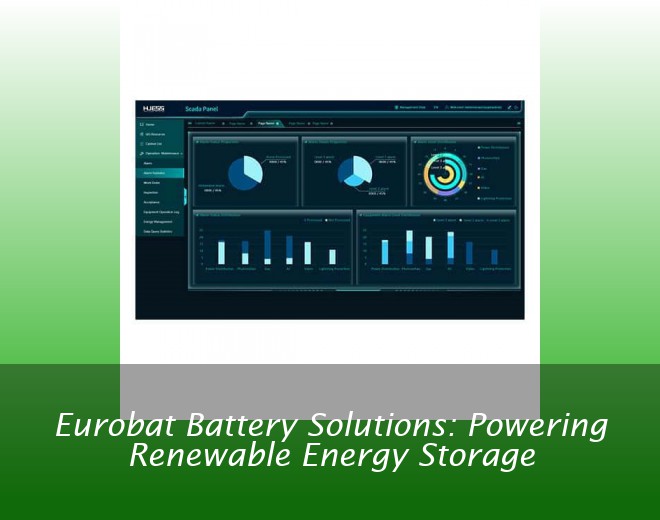
Eurobat Battery Solutions: Powering Renewable Energy Storage
Europe's renewable energy transition faces a critical roadblock: intermittency. Solar panels sleep at night, wind turbines idle during calm days - but our hospitals, factories, and smartphones never take breaks. This mismatch creates what grid operators grimly call "the duck curve" - those nerve-wracking evening hours when solar output plummets while demand soars.
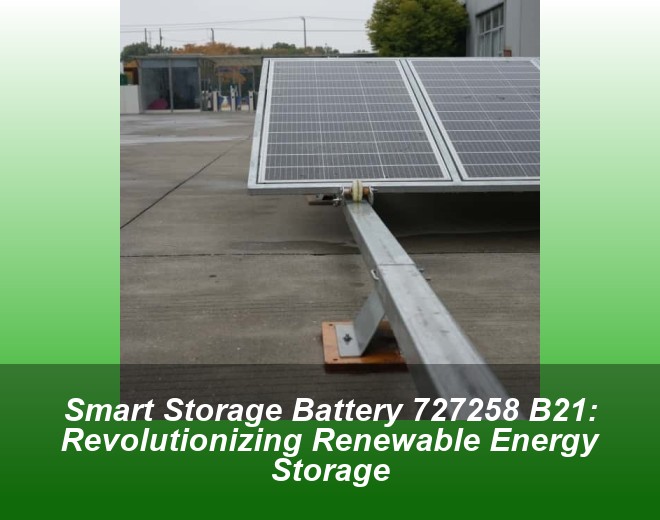
Smart Storage Battery 727258 B21: Revolutionizing Renewable Energy Storage
You know what keeps renewable energy experts awake at 3 AM? Mountains of solar panels generating excess power with nowhere to store it. The global renewable energy sector added 510 gigawatts of capacity last year alone, but here's the kicker - nearly 18% of that potential gets wasted due to inadequate storage solutions.
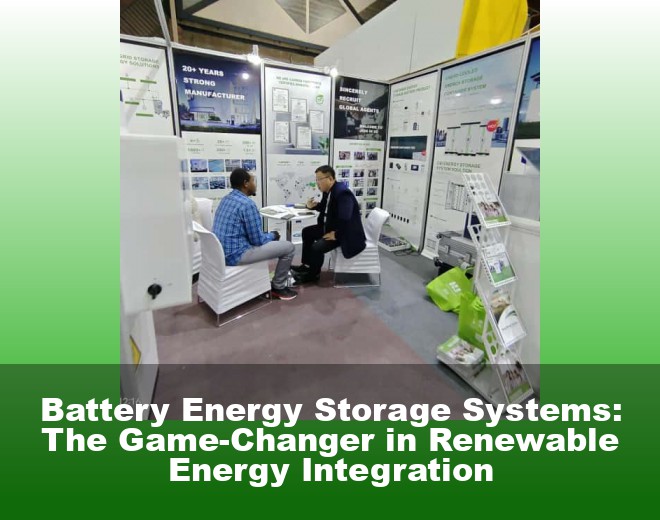
Battery Energy Storage Systems: The Game-Changer in Renewable Energy Integration
California’s grid operators watching helplessly as 300,000 MWh of solar power gets curtailed on a sunny afternoon—enough to power 90,000 homes for a day. Meanwhile, Texas households shivered through 2023’s winter storms despite having the nation’s largest wind power capacity. The culprit? A fundamental mismatch between when we generate renewable energy and when we actually need it.
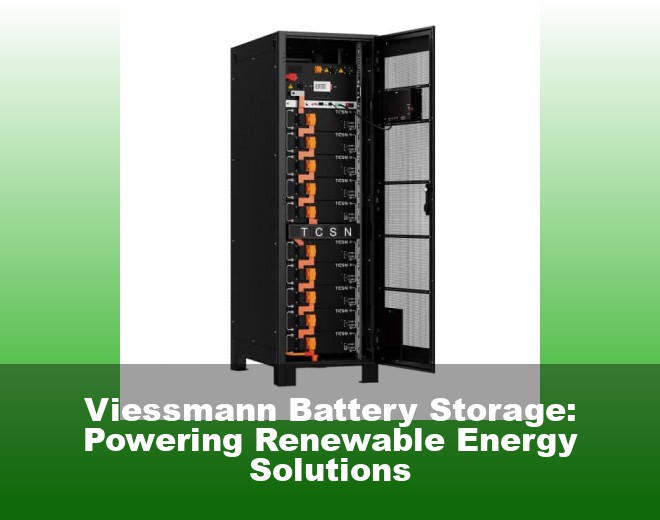
Viessmann Battery Storage: Powering Renewable Energy Solutions
You know that sinking feeling when your solar panels overproduce at noon but leave you powerless at dinner? Germany's 2024 energy report shows 37% of renewable energy gets wasted during peak production hours - enough to power Denmark for a week. Traditional battery storage systems sort of work, but let's face it: they're like trying to catch rainwater with a colander.
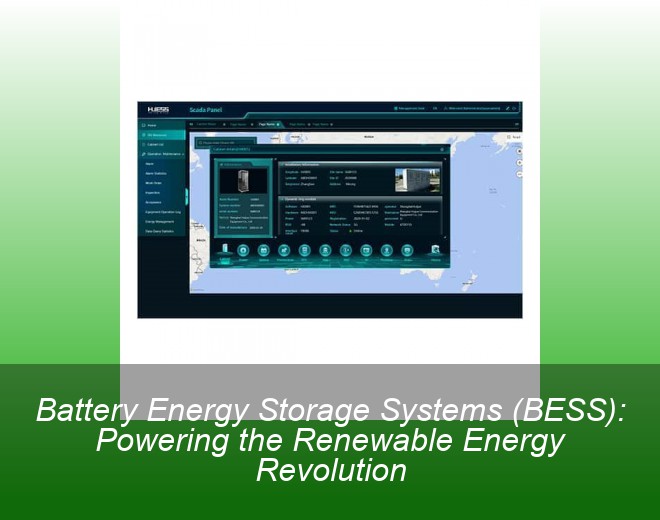
Battery Energy Storage Systems (BESS): Powering the Renewable Energy Revolution
Ever wondered why your solar panels stop working during blackouts? Battery Energy Storage Systems (BESS) hold the answer. With global renewable energy capacity growing 15% annually since 2020, the real challenge isn't generation—it's storing that clean power when the sun sets or winds die. Traditional grids lose up to 30% of renewable energy due to mismatched supply and demand cycles.
 Inquiry
 Online Chat