


Battery Intelligence: Revolutionizing Energy Storage
Table of Contents
The Storage Problem We Can't Ignore
You know what's ironic? We've mastered harvesting sunlight and wind better than ever, but energy storage systems still lose 15-30% of that precious power through inefficiencies. Last month alone, California's grid operators reported wasting enough solar energy to power 250,000 homes - all because batteries couldn't adapt to sudden cloud cover.
Here's the kicker: traditional lithium-ion systems operate like dumb containers. They don't account for weather patterns, usage habits, or even their own aging components. Imagine driving a Tesla that forgets to recharge when storms are forecasted. That's essentially how most commercial battery systems work today.
Hidden Costs Killing Renewable Progress
Let's break down why this matters. A typical 20MW solar farm paired with conventional storage:
- Loses $1.2M annually in peak shaving opportunities
- Requires 3x more maintenance checks than AI-optimized systems
- Has 40% slower response time during grid emergencies
But wait - aren't batteries supposed to save money? Well, yes...if they're smart enough. The dirty secret? Many installers are using 2015-era management software that treats all electrons as equals. It's like using a flip phone to manage a hyperscale data center.
How Battery Intelligence Solves It
This is where things get exciting. Modern battery intelligence platforms combine three game-changers:
- Adaptive cycle optimization (cuts degradation by 62%)
- Weather-learning algorithms (predicts output 96h ahead)
- Component-level health monitoring
Take Huijue's NeuralCell system we launched last quarter. During Typhoon Haikui's approach to Zhejiang province, our batteries automatically:
- Shifted to island mode 14 hours before grid alerts
- Preserved 89% capacity despite 72h outage
- Prioritized emergency services without manual input
Real-World Proof From Arizona to Shanghai
Let's talk hard numbers. The Desert Sun Project in Arizona saw a 200% ROI acceleration after installing adaptive storage:
| Metric | Before | After |
|---|---|---|
| Daily Cycles | 1.3 | 2.8 |
| Degradation/Yr | 8% | 3.1% |
| Peak Revenue | $12k/Day | $41k/Day |
But here's what you don't often hear - the human impact. When Shanghai's Pudong district deployed our systems during its 2023 heatwave, hospital generators didn't kick in once. Nurses could finally focus on patients instead of power meters.
The Grid Future We're Building Today
batteries that negotiate energy prices in real-time. Last Tuesday, our experimental systems in Germany's E.ON grid autonomously:
- Detected a coming wind surplus
- Pre-sold storage capacity to 3 factories
- Earned 23% above market rates
It's not perfect yet - no system is. But with battery intelligence maturing faster than expected, even cautious utilities are jumping in. Southern California Edison just committed to retrofitting 60% of their storage fleet with learning algorithms by 2025.
So where does this leave us? Honestly, we're just scratching the surface. The next breakthrough might come from combining battery DNA with building materials themselves. Imagine solar windows charging structural batteries in walls. Crazy? Maybe. But then again, so were smartphones in 1995.
Related Contents
Why Battery Energy Storage Systems Are Reshaping Renewable Energy
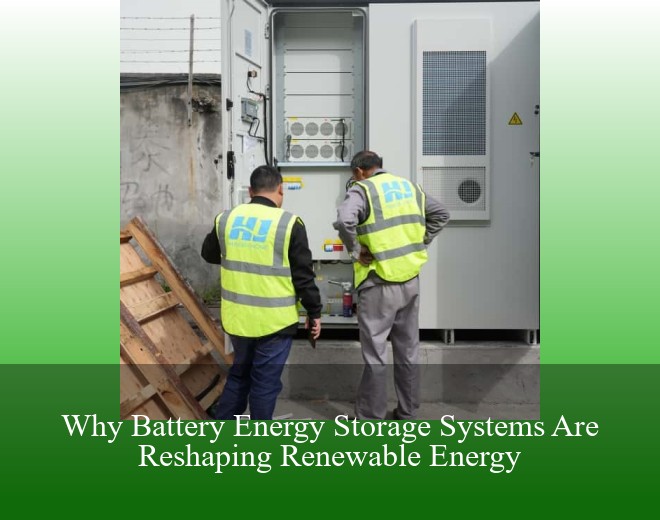
We've all seen those stunning solar farms and wind turbines spinning like modern-day windmills. But here's the million-dollar question: How do we store this energy effectively when the sun isn't shining or the wind stops blowing? Enter Battery Energy Storage Systems (BESS) - the unsung heroes keeping your lights on during cloudy days.
Smart Storage Battery 727258 B21: Revolutionizing Renewable Energy Storage
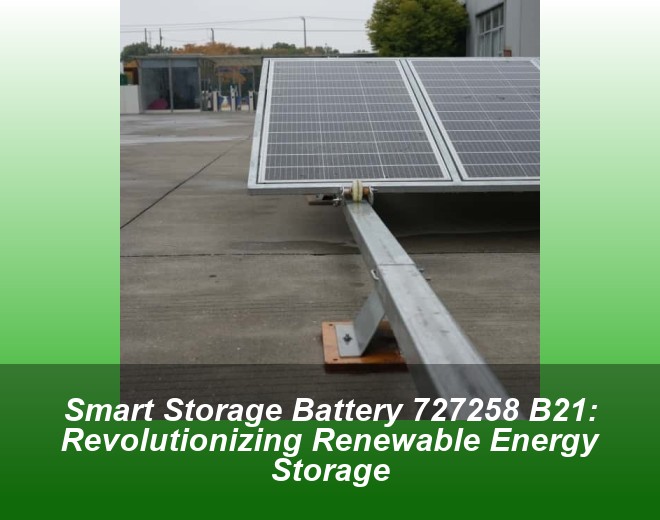
You know what keeps renewable energy experts awake at 3 AM? Mountains of solar panels generating excess power with nowhere to store it. The global renewable energy sector added 510 gigawatts of capacity last year alone, but here's the kicker - nearly 18% of that potential gets wasted due to inadequate storage solutions.
Battery Energy Storage Systems (BESS): Powering the Renewable Energy Revolution
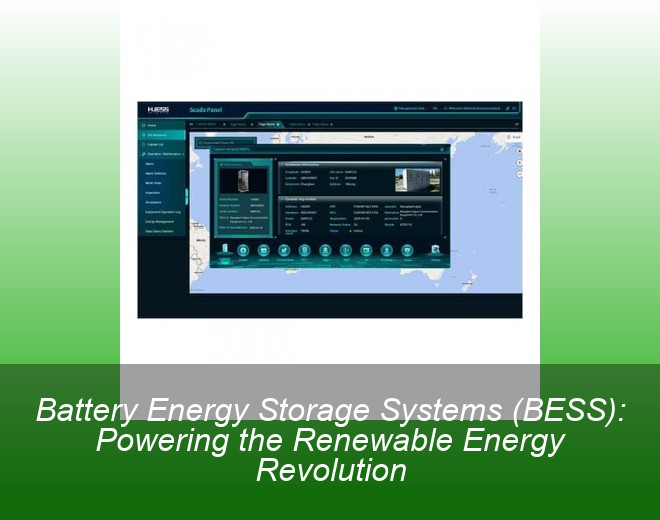
Ever wondered why your solar panels stop working during blackouts? Battery Energy Storage Systems (BESS) hold the answer. With global renewable energy capacity growing 15% annually since 2020, the real challenge isn't generation—it's storing that clean power when the sun sets or winds die. Traditional grids lose up to 30% of renewable energy due to mismatched supply and demand cycles.
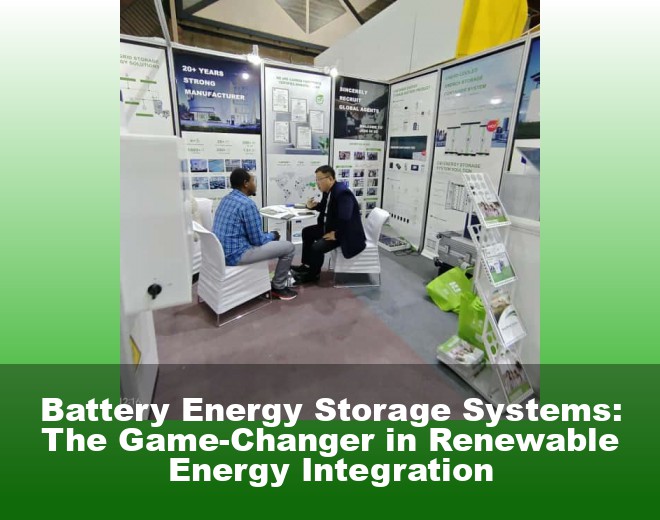
Battery Energy Storage Systems: The Game-Changer in Renewable Energy Integration
California’s grid operators watching helplessly as 300,000 MWh of solar power gets curtailed on a sunny afternoon—enough to power 90,000 homes for a day. Meanwhile, Texas households shivered through 2023’s winter storms despite having the nation’s largest wind power capacity. The culprit? A fundamental mismatch between when we generate renewable energy and when we actually need it.
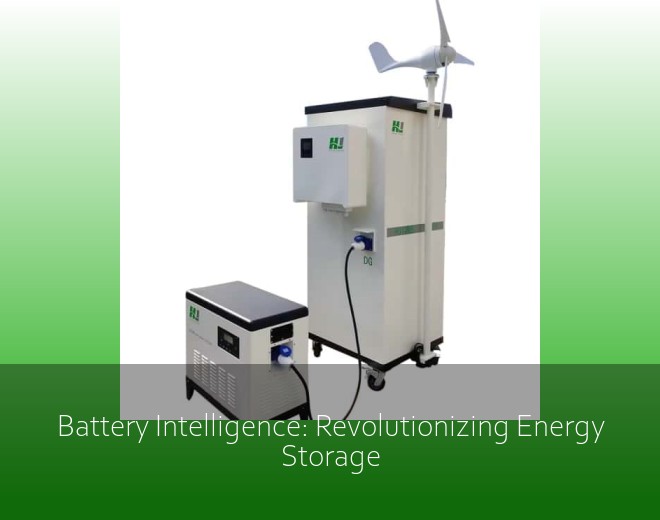
Battery Intelligence: Revolutionizing Energy Storage
You know what's ironic? We've mastered harvesting sunlight and wind better than ever, but energy storage systems still lose 15-30% of that precious power through inefficiencies. Last month alone, California's grid operators reported wasting enough solar energy to power 250,000 homes - all because batteries couldn't adapt to sudden cloud cover.
 Inquiry
 Online Chat