


Why Europe’s Solar Energy Boom Demands Smarter Storage Solutions
Table of Contents
Europe's Silent Solar Revolution
You’ve probably seen the headlines – solar companies in Europe installed a record 56 GW of panels in 2023. But here's what they're not telling you: we’re literally throwing away enough sunlight every afternoon to power Lisbon for a week. Crazy, right?
Let me paint you a picture. Last June, Germany’s grid operators had to pay neighboring countries to take excess solar power. Meanwhile, Spanish households with panels faced bizarre "sun taxes" for feeding energy back to the grid. It’s like having a water shortage while leaving the taps running 24/7.
The Duck Curve That’s Quacking Loudly
California first spotted this weird phenomenon – solar overproduction tanks electricity prices midday, then requires frantic fossil fuel burning at dusk. Now Europe’s seeing its own version. In Italy’s Puglia region, solar farms get curtailed 18% of the time during peak generation hours. That’s like planting wheat and burning half the harvest because you’ve got too much bread.
The Storage Crisis Behind Sunny Statistics
Here’s where it gets tricky. Battery storage systems could solve this, but current tech’s like using teacups to bail out a sinking ship. The EU needs 200 GWh of storage by 2030 to meet renewable targets – we’re at 14% of that goal.
Take the case of SolarFirst GmbH. They installed 10 MW of panels in Bavaria last year, only to discover their energy storage solutions couldn’t handle the midday surge. "We ended up cycling batteries so hard, their warranties voided in 8 months," their CTO told me. Ouch.
"It's not about generating green energy anymore – it's about not wasting it."
- Dr. Elena Marquez, EU Energy Storage Task Force
Why Lithium Isn’t the Silver Bullet
Everyone’s obsessed with lithium-ion, but let’s be real – mining 500,000 tons of lithium annually isn’t sustainable. New flow battery tech using iron and saltwater (yes, saltwater) is getting 80% round-trip efficiency at half the cost. Dutch startup SolBank’s pilot in Rotterdam survived 15,000 cycles with just 8% degradation. Now that’s what I call a game-changer.
Battery Innovations Changing the Game
2024’s breakthrough? Photovoltaic storage integration that’s actually smart. Traditional systems dump excess energy into batteries blindly. The new AI-driven controllers we’re testing at Huijue Group predict weather patterns and household usage 72 hours ahead.
your solar panels chat with your dishwasher and EV charger overnight. They agree to run a wash cycle at noon when there’s surplus power, saving 40% compared to evening rates. We’ve seen Spanish households cut bills by €600/year this way – no rocket science, just smart timing.
The Rise of Community Storage Pools
In Denmark’s Samsø Island, 300 households share a 4 MWh communal battery. It’s like Netflix for energy – you draw what you need when you need it. During a storm last March, the island kept lights on for 53 hours while the mainland grid faltered. Now 17 other European communities are replicating this model.
How Solar Homes Are Becoming Power Plants
Wait, no – let me rephrase that. They’re becoming smarter than power plants. Huawei’s new hybrid inverters automatically sell surplus energy to neighbors via blockchain. In Portugal, homes using this system earned €120/month during summer – enough to cover winter heating bills.
But here’s the rub: outdated grid fees punish proactive users. Belgium still charges "availability tariffs" based on peak usage, discouraging storage adoption. It’s like taxing gym memberships by how much you could lift, not what you actually do.
The Regulatory Maze Slowing Progress
Europe’s got 27 different sets of solar energy storage regulations. A battery system legal in Munich needs 11 modifications to operate in Lyon. The EU’s new Storage Act (effective Q1 2024) should help, but national implementation could take until 2027. In the solar industry, that’s three product generations!
The Spanish Turnaround Story
Remember those "sun taxes"? Spain scrapped them in 2022. Result? Residential solar installations jumped 387% in 18 months. Now they’re piloting virtual power plants where 5,000 home batteries provide grid stability services. The lesson? Good policy unlocks technological potential faster than any gadget.
As we head into 2025, the race isn’t about who installs the most panels – it’s about who builds the smartest storage ecosystems. The solar companies in Europe that’ll dominate will be those solving the "last megawatt" problem: storing and dispatching renewable energy exactly when and where it’s needed. Because let’s face it – sunshine is free, but wasted electrons? Those cost us the Earth.
Related Contents
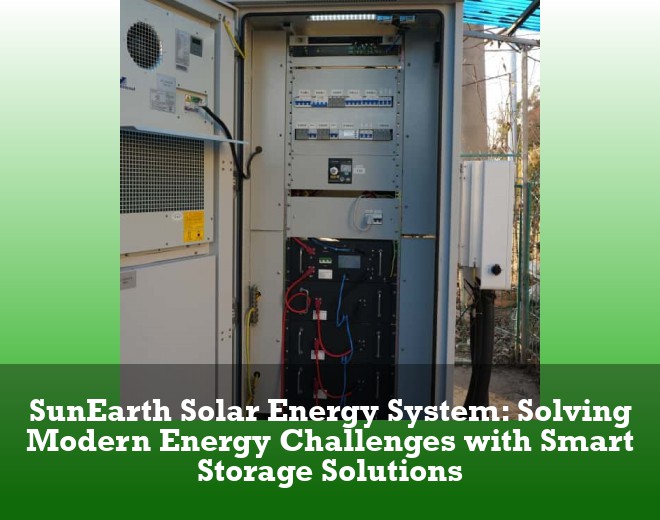
SunEarth Solar Energy System: Solving Modern Energy Challenges with Smart Storage Solutions
solar energy systems have become almost mainstream, but why aren't more households adopting them despite clear environmental benefits? The answer lies in three persistent pain points:
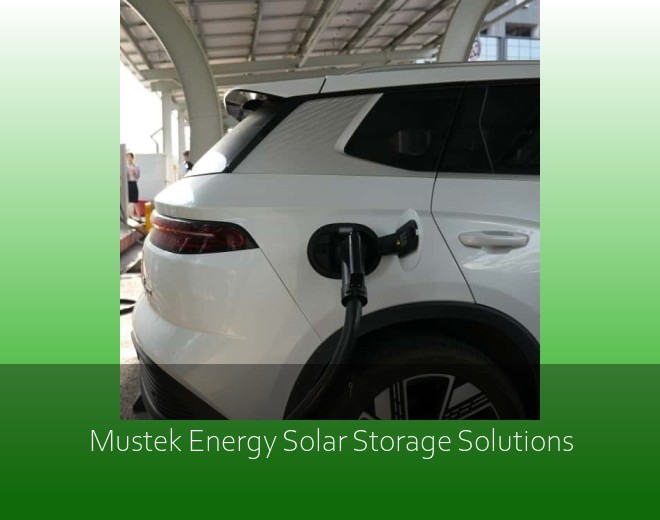
Mustek Energy Solar Storage Solutions
You know that frustrating moment when clouds roll in and your solar panels suddenly become expensive roof decorations? About 68% of solar adopters report energy inconsistency as their top pain point. Traditional lead-acid batteries degrade faster than a popsicle in July - most last barely 3 years under daily cycling.
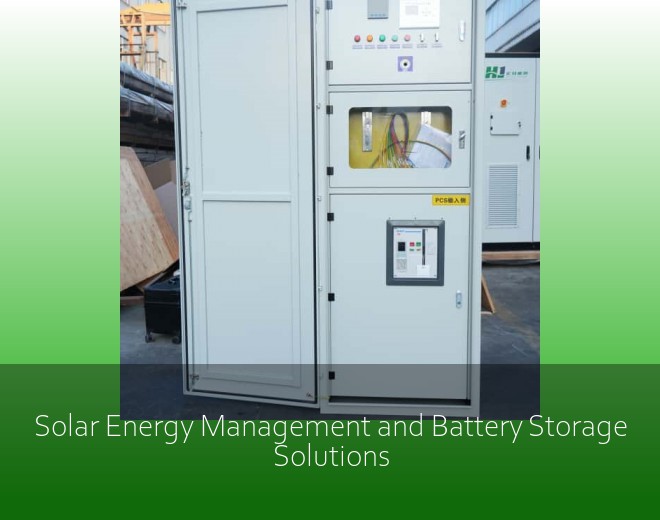
Solar Energy Management and Battery Storage Solutions
Why does solar energy management matter now more than ever? With global electricity demand projected to increase 60% by 2050, renewable sources must fill the gap. Solar photovoltaic (PV) installations grew 35% year-over-year in 2023, yet only 12% of rooftops in sun-rich regions actively harness this potential.
Solar Energy Storage Solutions Decoded
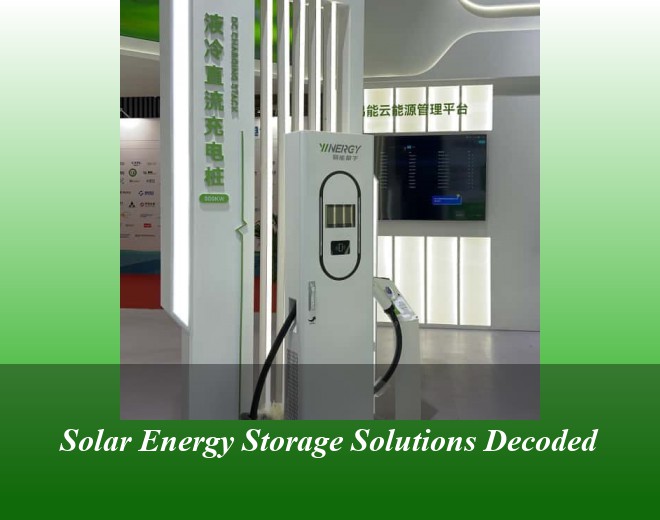
Ever wondered why your solar panels go quiet at night while the grid still burns fossil fuels? Energy storage systems hold the answer to this $2.3 trillion question in renewable adoption. As of March 2025, global solar installations have reached 1.2 terawatts - enough to power 500 million homes in daylight hours. But here's the rub: without storage, 40% of this clean energy gets wasted during peak production hours.
Solar Energy Storage Solutions: Powering Tomorrow
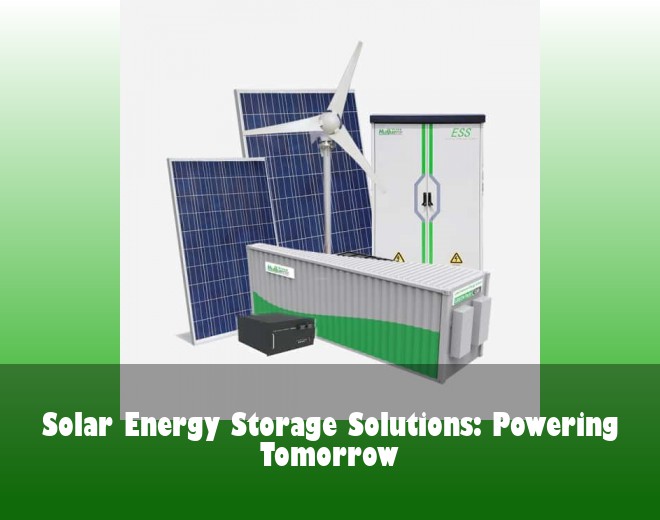
Ever wondered why your neighbor's rooftop solar panels sit idle during blackouts? Here's the kicker: renewable energy systems without proper storage are like sports cars without fuel tanks - impressive but ultimately limited. The International Renewable Energy Agency reports 63% of solar capacity installed last year came without integrated storage solutions.
 Inquiry
 Online Chat