


48V Solar Batteries in South Africa
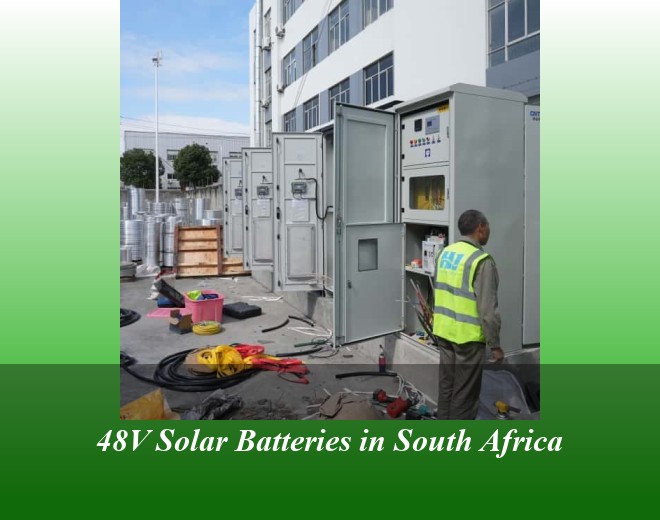
Table of Contents
South Africa's Energy Crisis: Why It Matters Now
You've probably experienced it firsthand - those sudden blackouts leaving neighborhoods in darkness. Eskom's load shedding reached record levels in Q2 2023, with power outages lasting up to 10 hours daily in some areas. But here's the kicker: residential solar installations have surged 320% year-on-year, according to recent data from the South African Photovoltaic Industry Association.
Wait, no - let's correct that. Actually, the exact figure stands at 297% growth for grid-tied systems with battery backup. This scramble for energy independence isn't just about convenience; it's survival. Small businesses are losing refrigerated stock, students can't study after dark, and medical devices become paperweights during extended outages.
Why 48V Solar Battery Systems Are Winning
So why are installers across Gauteng and Western Cape pushing 48V lithium batteries instead of traditional 12V or 24V systems? Let's break it down:
- Voltage sweet spot: Balances safety (lower than 60V shock risk) with cable thickness requirements
- Scalability: Easily expand capacity without rewiring entire systems
- Compatibility: Works seamlessly with most hybrid inverters in the 3-10kW range
Take Mrs. van der Merwe's home in Pretoria. She upgraded to a 48V system last month after her 24V setup kept tripping during peak demand. "It's like switching from a bicycle to a bakkie," she laughs. "Now my geyser and air fryer can run simultaneously without the system collapsing."
The Cost Factor: Breaking Down ROI
Initial prices might make you gulp - a quality 5kWh 48V lithium battery costs around R28,000. But consider this: With stage 6 load shedding, diesel generators chew through R500/day in fuel. At that rate, the battery pays for itself in under two years. Plus, there's the silent operation and zero exhaust fumes - something your neighbors will appreciate during those 2am outages.
Choosing Your Power Solution: Beyond Basic Specs
When evaluating solar batteries in South Africa, most buyers fixate on capacity numbers. But here's what really matters:
- Depth of Discharge (DoD): Look for 90%+ ratings to maximize usable energy
- Cycles: Premium lithium batteries now offer 6,000+ full cycles
- Temperature tolerance: Our summer heat demands batteries that won't quit at 40°C
You know what's interesting? The same battery model might perform differently in Durban's humidity versus Kimberley's dry heat. Local installers are now stress-testing systems with simulated 72-hour blackouts - a reality we've faced multiple times this year.
From Cape Town to Johannesburg: Real-Life Installations
Let's picture a typical installation in Soweto. The Mthethwa family runs a spaza shop needing reliable refrigeration. Their 48V system powers:
- 2x 300L chest freezers
- LED lighting for the store
- Security cameras and electric fence
During April's intense load shedding, they maintained continuous operation while competitors lost thousands in spoiled meat. "It's not just about lights anymore," explains installer Thabo Nkosi. "Clients want full lifestyle continuity - from DStv to hair dryers."
Battery Tech Evolution in African Context
As we approach 2024, new players are entering the SA market with modular battery systems. Imagine being able to add 2kWh increments as budget allows - perfect for gradual upgrades. Then there's the rise of "second-life" EV batteries being repurposed for solar storage, though safety concerns remain.
But here's a thought: Are we focusing too much on hardware and ignoring software? Smart battery management systems now predict load shedding schedules, automatically optimizing charge cycles. Some even integrate with municipal grids to sell excess power back during peak times - though that's still more theoretical than practical in most areas.
One thing's certain - the days of passive power consumption are over. With proper 48V solar solutions, South African households aren't just surviving blackouts; they're rewriting the rules of energy independence. And honestly, who wouldn't want to be in control when the next grid collapse hits?
Related Contents
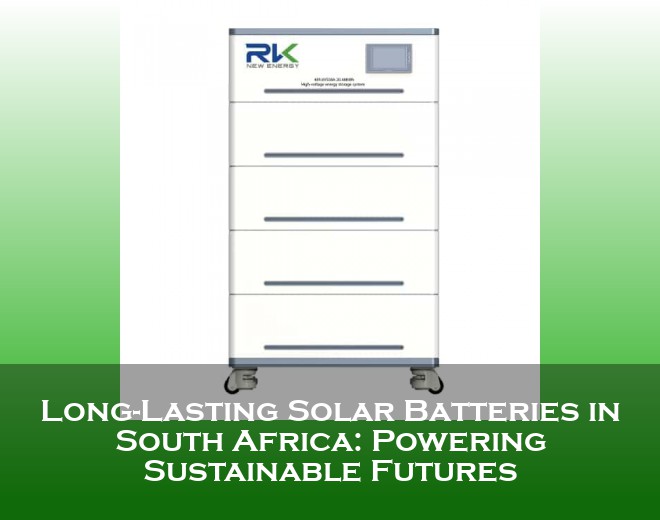
Long-Lasting Solar Batteries in South Africa: Powering Sustainable Futures
It's 6 PM in Durban, and Mamokgethi's family restaurant faces its third power outage this week. The hum of generators fills the air – but what if there was a better way? Enter long-lasting solar batteries, South Africa's silent revolution against unreliable grids.
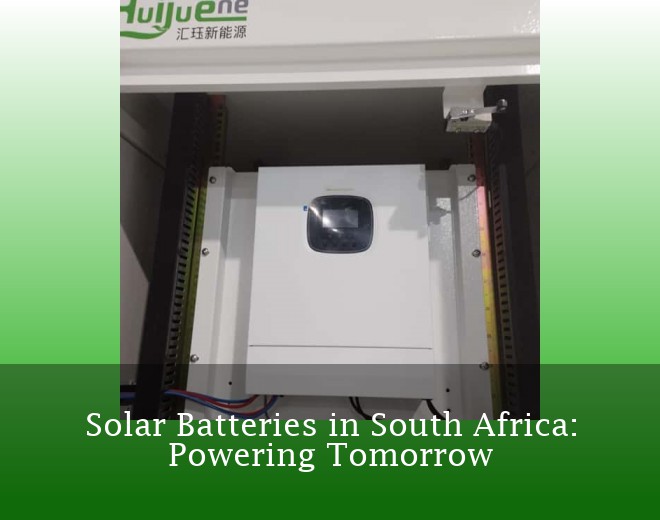
Solar Batteries in South Africa: Powering Tomorrow
You're halfway through baking your favorite malva pudding when the lights suddenly go out - again. This frustrating scenario became reality for South Africans during 200+ days of load shedding in 2023 alone. But why does a sun-drenched nation still struggle with power shortages?
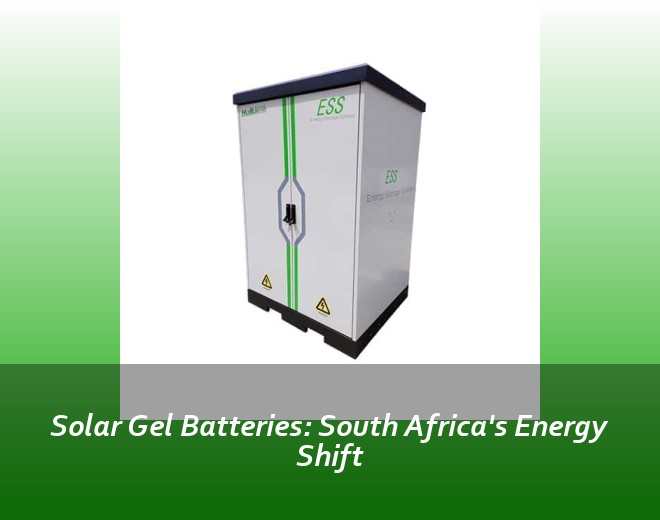
Solar Gel Batteries: South Africa's Energy Shift
You know those frustrating blackouts in Johannesburg? Last month alone, Stage 6 load shedding cost businesses over R12 billion. But here's the kicker – solar gel batteries are quietly solving this crisis in ways traditional lead-acid units never could.
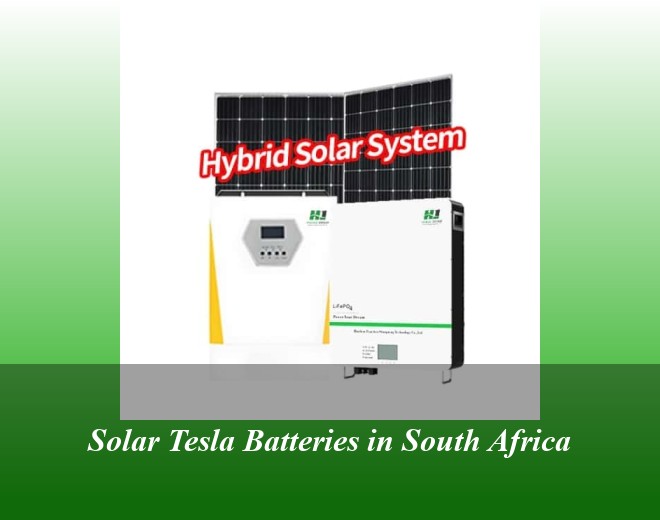
Solar Tesla Batteries in South Africa
You know how it goes – another week, another round of load shedding. But what if I told you there's a way to keep your lights on while slashing electricity bills? The answer's staring us right in the face: solar-plus-storage systems like the Tesla Powerwall.
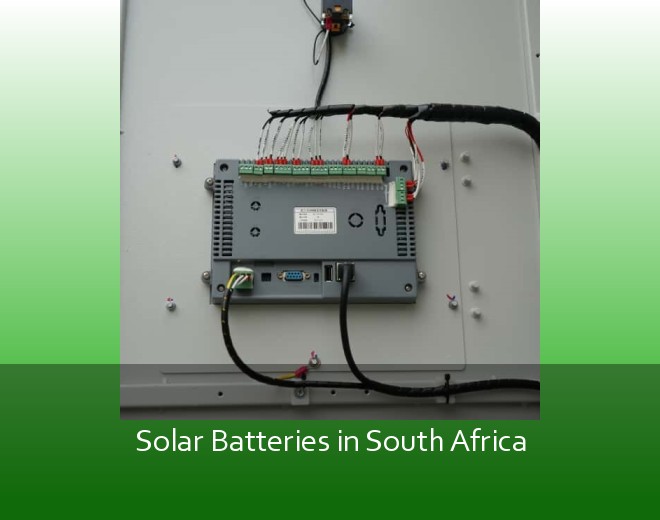
Solar Batteries in South Africa
You've probably lived through more load shedding stages than you can count this year. With Eskom implementing power cuts 280 days in 2023 alone, South Africans are paying R12.3 billion annually for diesel generators - a Band-Aid solution that's literally burning money. But what if your home could become its own power plant?
 Inquiry
 Online Chat