


Solar Power Giants: China's PV Revolution
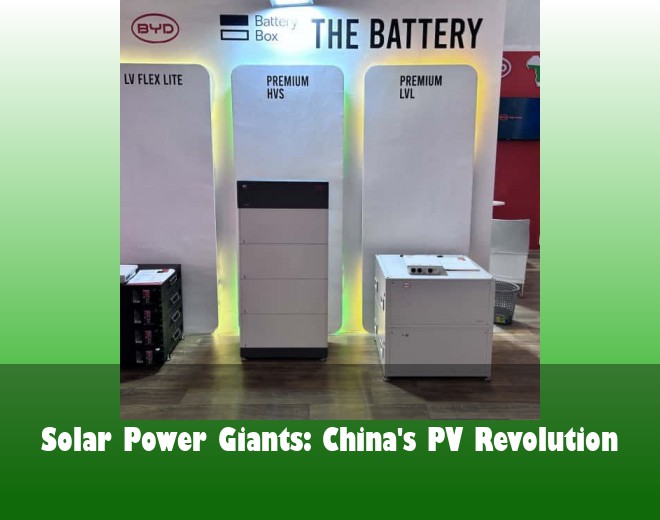
Table of Contents
The Rising Sun in Global Energy
Ever wondered how Chinese solar manufacturers came to control 80% of global PV module production? Let's rewind to 2012 when Europe slapped 47% anti-dumping tariffs on Chinese panels. Against all odds, companies like Jinko Solar and LONGi didn't just survive – they thrived through vertical integration and relentless R&D.
Here's the kicker: China installed 87GW of solar capacity in 2023 alone – more than the entire U.S. solar fleet. The secret sauce? A three-pronged strategy combining government support, manufacturing scale, and technological pragmatism.
From Silicon to Solutions
Modern PV factories in China look straight out of sci-fi movies. Take Trina Solar's 210mm silicon wafer production line – it spits out a panel every 4.2 seconds. But raw speed isn't enough. The real game-changer has been PERC (Passivated Emitter Rear Cell) technology, boosting conversion efficiency from 15% to 23% in a decade.
- Bifacial modules generating 11% extra yield
- TOPCon cells achieving 25.1% efficiency
- Building-integrated photovoltaics (BIPV) merging with construction materials
Wait, no – that's not the full picture. What about energy storage integration? Companies like CATL and BYD are marrying solar panels with lithium iron phosphate batteries, creating turnkey solutions for off-grid applications.
Weathering Trade Winds
Remember the U.S. Section 201 tariffs? Chinese firms responded by setting up shops in Vietnam and Thailand. Now with the Uyghur Forced Labor Prevention Act blocking Xinjiang polysilicon imports, manufacturers are pivoting to granular traceability systems using blockchain technology.
Raw material costs tell another story. When polysilicon prices skyrocketed 300% in 2021, companies like Risen Energy started recycling silicon from decommissioned panels. Talk about turning crisis into opportunity!
Huijue's Rural Electrification Win
A Tibetan village at 4,200m elevation getting 24/7 power through solar-diesel hybrids. Huijue Group's microgrid solution combines:
- 150kW solar array with anti-reflective coating
- 600kWh battery storage using phase-change materials
- Smart controllers balancing loads in real-time
The result? 80% diesel consumption reduction and a blueprint for 10,000+ off-grid communities. Not too shabby for a company that started as a small inverter workshop in 2008!
Beyond Panels: Integrated Systems
As we approach Q4 2025, the buzzword is "solar ecosystems". JA Solar recently unveiled a agrivoltaic system doubling as a mushroom farm – 60% shade-loving crop yield increase under panels. Meanwhile, Sungrow's floating solar plants are generating electricity while reducing reservoir evaporation.
The next frontier? Hydrogen. Companies are coupling 20MW solar parks with PEM electrolyzers, aiming for $2/kg green hydrogen by 2030. It's not just about electricity anymore – it's about creating entire renewable value chains.
So where does this leave global competitors? Playing catch-up in a market where Chinese firms control every link from quartz mining to rooftop installation. The solar revolution isn't coming – it's already here, and it's speaking Mandarin.
Related Contents
China's Solar Power Revolution
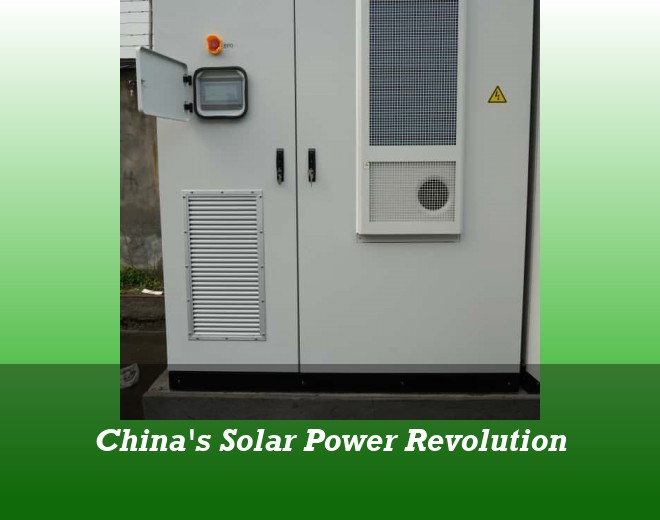
a single nation now manufactures over 80% of the world's solar panels while operating solar power stations covering land areas larger than New York City. China's photovoltaic capacity recently surpassed 600 GW - enough to power 200 million homes annually. But how did this former coal-dependent giant become the undisputed leader in solar energy?
Solar Power Dominance: China's Renewable Revolution
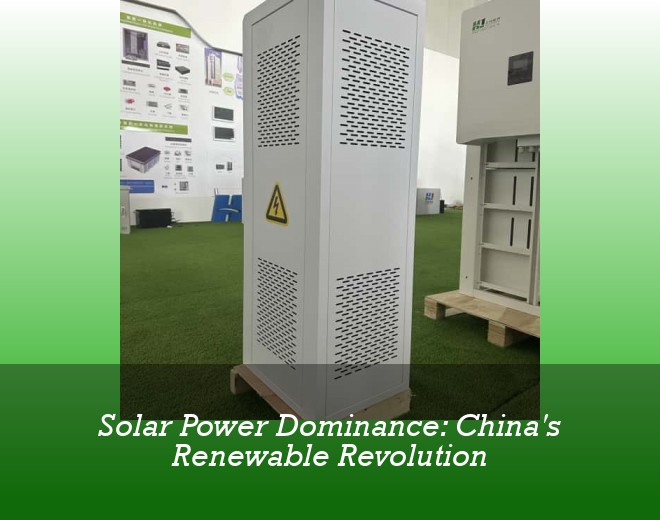
when you think solar companies in China, what comes to mind? Massive factories? Cheap panels? Well, here's the shocker: China's solar dominance isn't just about scale. It's about rewriting the rules of renewable energy economics. In 2023 alone, Chinese manufacturers shipped over 500GW of photovoltaic modules - that's enough to power 75 million homes annually.
Solar Power Revolution in Uganda: Costs & Solutions
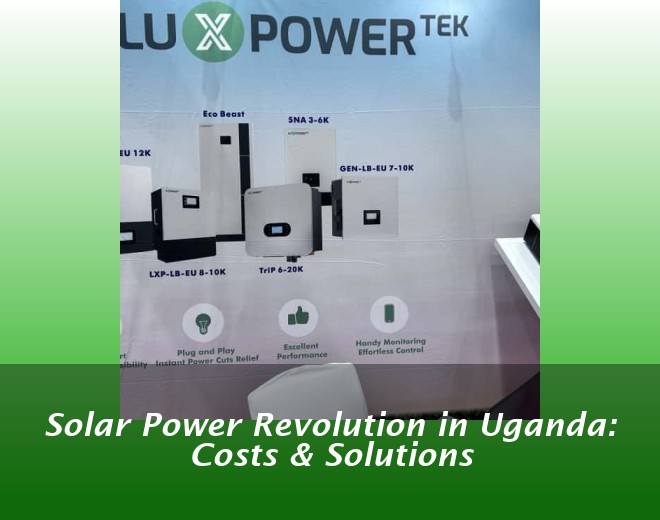
You know what's crazy? Uganda's got enough sunshine to power all of East Africa - 4.8 kWh/m²/day on average. Yet 80% of rural households still use kerosene lamps after sunset. Why's this solar paradox persisting in 2023?
Solar Power and Battery Storage Revolution
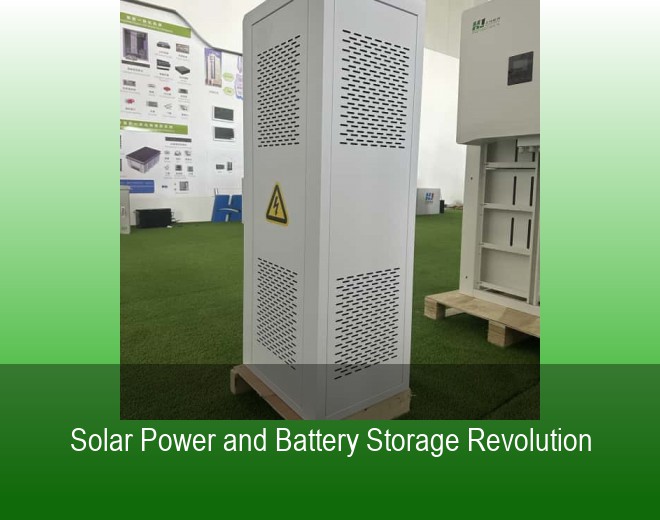
You know what's crazy? The world added 348 gigawatts of renewable capacity last year – enough to power 100 million homes – yet blackouts increased by 12% globally. Why? Because we're solving the wrong problem. Solar oplossingen (that's Dutch for "solar solutions") aren't just about generating clean energy anymore. It's about storing it smartly.
Solar Power Revolution in Colombia
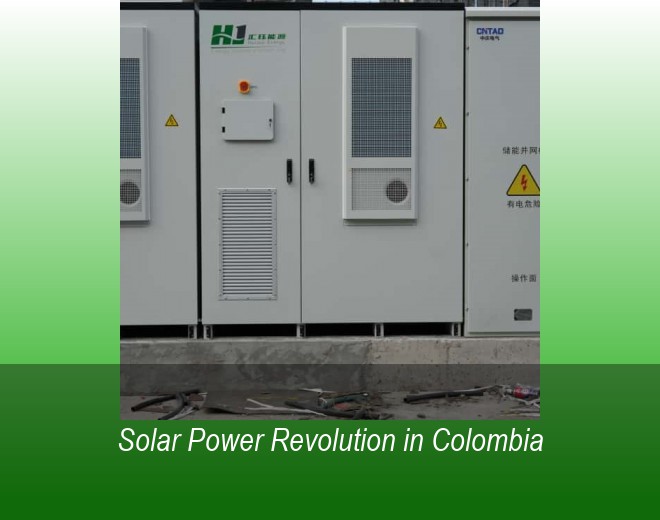
You know, when we talk about solar power in Colombia, most people picture Amazonian tribes using small PV panels. But here's the kicker: Colombia's solar irradiation levels actually rival Saudi Arabia's oil reserves. The northern Guajira region basks in 6+ kWh/m² daily - that's 35% higher than Germany's peak solar areas. Yet somehow, solar only accounts for 1.2% of the national energy matrix. What gives?
 Inquiry
 Online Chat