


Energy-Efficient Warehouses: Powering Sustainable Logistics
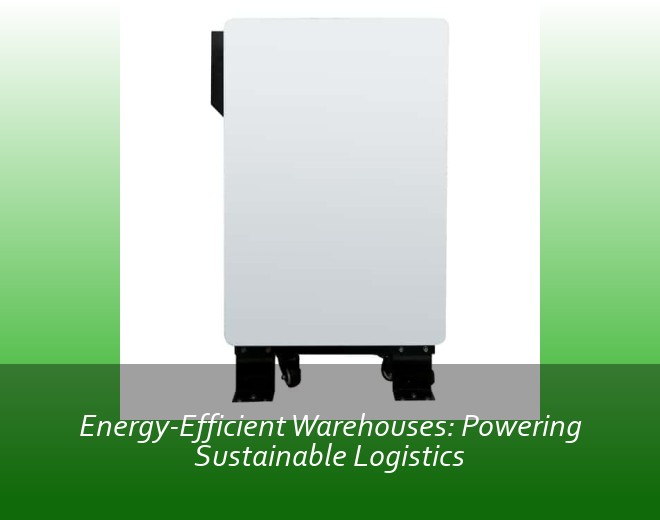
Table of Contents
The Hidden Cost of Traditional Warehouses
Ever wondered why your warehouse's energy bills keep climbing despite equipment upgrades? The answer lies in outdated energy models. Traditional warehouses consume 15-20% more power than modern facilities using renewable integration – and that’s before accounting for peak demand charges.
Last month, a major Midwest distributor faced $38,000 in monthly penalties for exceeding their contracted power capacity. Their story isn’t unique. Across the U.S., logistics centers are grappling with:
- Spiking electricity costs (up 34% since 2020)
- Unpredictable demand charges
- Grid reliability concerns during extreme weather
Solar Revolution in Storage Facilities
Here’s where renewable energy integration flips the script. Take SolarCorp’s Nevada distribution center – they’ve slashed energy costs by 62% using bifacial solar panels that double as roofing material. The trick? Vertical integration of photovoltaic systems with existing infrastructure.
“We’re generating 1.2MW daily – enough to power 400 homes,” their facility manager told me. “But warehouses aren’t homes. Our secret sauce is storing surplus energy for nighttime operations using modular battery walls.”
Battery Breakthroughs Changing the Game
Speaking of storage, lithium-ion isn’t the only player anymore. Iron-flow batteries like those from ESS Tech are making waves with their 20,000-cycle lifespan. Unlike traditional options, these use non-toxic electrolytes – perfect for temperature-sensitive inventory zones.
Consider this comparison:
| Technology | Cycle Life | Cost/kWh |
|---|---|---|
| Lithium-ion | 6,000 | $280 |
| Iron-flow | 20,000 | $180 |
Smart Systems for Real-Time Optimization
Now, here’s where it gets interesting. Advanced EMS (Energy Management Systems) can predict energy needs using AI – sort of like a Netflix algorithm for your power consumption. These systems analyze historical data, weather patterns, and even truck schedules to optimize:
- Cooling system activation times
- EV charging station usage
- Battery storage/release cycles
A European cold storage provider achieved 89% prediction accuracy, reducing their generator runtime by 700 hours annually. That’s not just saving money – it’s extending equipment lifespan.
Future-Proofing Through Energy Storage
Let’s address the elephant in the room – upfront costs. While solar+battery systems require initial investment, new financing models like Energy-as-a-Service (EaaS) eliminate capital barriers. Providers install and maintain systems while clients pay through operational savings.
California’s SB 100 mandate (100% clean energy by 2045) is already pushing warehouses toward compliance. Early adopters aren’t just meeting regulations – they’re gaining marketing edge. Consumers increasingly choose eco-conscious suppliers, with 68% willing to pay premium for green logistics.
So where does this leave traditional operators? At a crossroads. The question isn’t “Can we afford to upgrade?” but “Can we afford not to?” With energy prices projected to rise 8% annually through 2030 , energy-efficient warehouses aren’t just sustainable – they’re survival essentials.
Related Contents
Solar Batteries in Boksburg: Powering Sustainable Energy Solutions
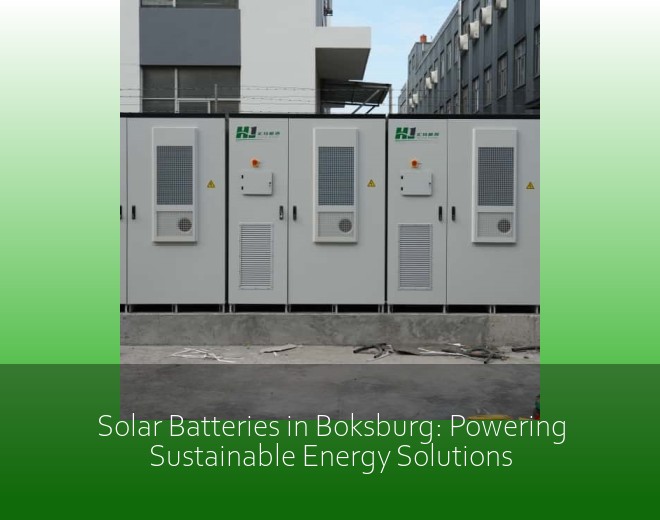
Let's face it – rolling blackouts have become as predictable as afternoon thunderstorms in Gauteng. But here's the kicker: solar batteries are quietly rewriting Boksburg's energy narrative. In March 2025 alone, the city recorded 120 hours of load-shedding, pushing businesses to the brink and leaving families in the dark – literally and figuratively.
24-Volt Solar Batteries: Powering Sustainable Energy Solutions
You know what's keeping solar installers up at night? The 24-volt sweet spot in renewable energy systems. While 12V batteries dominated the market a decade ago, recent data shows 24V configurations now power 68% of new off-grid installations in North America. But why this shift?
Battery Energy Storage Systems (BESS): Powering the Renewable Energy Revolution
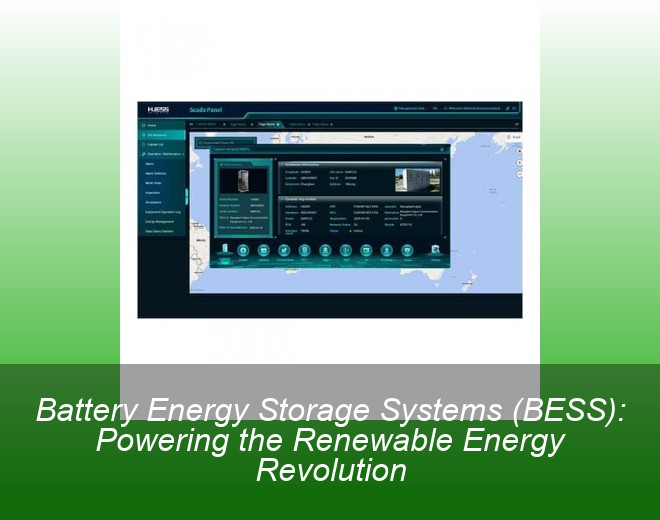
Ever wondered why your solar panels stop working during blackouts? Battery Energy Storage Systems (BESS) hold the answer. With global renewable energy capacity growing 15% annually since 2020, the real challenge isn't generation—it's storing that clean power when the sun sets or winds die. Traditional grids lose up to 30% of renewable energy due to mismatched supply and demand cycles.
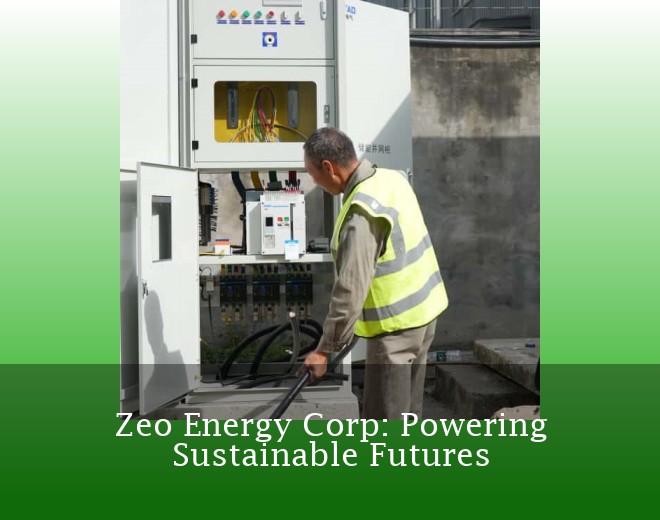
Zeo Energy Corp: Powering Sustainable Futures
You know, it's kind of ironic - we've mastered harvesting sunlight but still struggle to store renewable energy effectively. The U.S. Department of Energy reports 23% of generated solar power gets wasted during peak production hours. That's enough electricity to power 12 million homes annually!
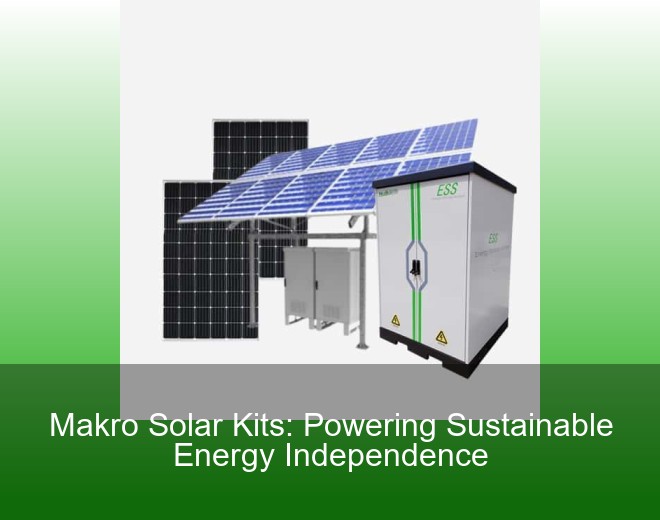
Makro Solar Kits: Powering Sustainable Energy Independence
You know that neighbor who's suddenly obsessed with their roof? The one comparing power bills at barbecues? They're part of a quiet rebellion against energy costs – and Makro solar kits are their weapon of choice. With electricity prices jumping 14% nationally last quarter (U.S. EIA data), homeowners are realizing those shiny panels do more than just look eco-chic.
 Inquiry
 Online Chat