


Solar Inverters in Nigeria: Energy Solutions
Table of Contents
Nigeria's Power Struggle
43% of Nigeria's urban population experiences daily blackouts. For rural areas? It's worse – only 26% have reliable grid access. This isn't just about convenience; energy poverty costs Nigeria 2-3% of its GDP annually. Why do diesel generators still dominate when solar potential exceeds 485,000 GWh/year?
The Diesel Dilemma
Let's be real – diesel costs have jumped 210% since 2020. A typical Lagos business spends ₦1.2 million monthly on fuel. But here's the kicker: generator maintenance eats up 15-20% of operational budgets. "It's like paying ransom for darkness," as one Abuja shop owner bitterly remarked last month.
Solar Inverter Breakthrough
Hybrid inverters are changing the game. These devices manage solar panels, batteries, and grid/diesel inputs simultaneously. Take the Huijue H6 Pro Hybrid – its peak efficiency of 98.2% outperforms most European models in tropical conditions. But wait, how does this actually work?
Battery Storage Synergy
Think of inverters as traffic controllers. They decide whether to:
- Use solar power immediately
- Store excess in batteries
- Blend energy sources
A Lagos hospital reduced diesel use by 73% after installing lithium batteries with their inverter system. The secret sauce? Smart energy management algorithms that predict usage patterns.
Inverter Tech Deep Dive
Not all inverters are created equal. Here's the lowdown:
String vs. Microinverters
String systems (like Huijue's S3 Series) work best for uniform roof spaces. But microinverters – those little guys attached to each panel – handle shading better. A recent Ikeja installation saw 18% higher yield using microinverters on a partly shaded roof.
Grid-Tie Limitations
Here's the rub: pure grid-tie systems become paperweights during outages. Hybrid models with uninterruptible power supply functionality automatically switch to batteries. A Kano school learned this the hard way when their grid-tie system failed during exam week blackouts.
Real-World Success Story
Let's get concrete. The Makoko Floating Community project installed 85 solar inverters last quarter. Results?
- 63% reduction in energy costs
- 24/7 power for water purification
- 38 new cold storage businesses emerged
Project lead Amaka Nwosu told us: "The inverters became community assets – people now plan economic activities around guaranteed power."
Maintenance Realities
But it's not all sunshine. Dust accumulation reduces efficiency by 1-2% weekly in northern states. Our techs recommend monthly cleaning cycles and bi-annual professional checks. Pro tip: avoid cheap imitations – a Kaduna mosque spent ₦450,000 replacing knockoff inverters after 8 months.
What's Next for Nigerian Solar?
Three emerging trends could reshape the market:
1. Battery Recycling Networks
With lithium prices fluctuating, local recycling initiatives like EcoBatt Nigeria are crucial. Their Ibadan facility now recovers 92% of battery materials – a game-changer for sustainability.
2. AI-Driven Energy Forecasting
Pilot programs in Port Harcourt use weather data and usage patterns to optimize inverter performance. Early results show 11% efficiency gains during rainy seasons.
3. Pay-As-You-Go Models
Startups like SolarPay allow incremental payments via USSD codes. A rural Kwara user pays ₦500 daily – about half their previous kerosene expenditure – for a 5kWh system.
As Nigeria's renewable energy sector matures, the focus shifts from mere availability to smart utilization. The real question isn't "Can we power Nigeria?" but "How fast can we scale these solutions?" With proper inverter tech and storage systems, energy independence isn't just possible – it's inevitable.
Related Contents
Solar System for Home Price in Nigeria: Costs, Trends, and Smart Energy Solutions
You know that feeling when your freezer thaws during a blackout? For 43% of Nigerian households, this isn’t just an inconvenience—it’s weekly reality. The national grid supplies only 4,000MW for 200 million people, creating a solar energy adoption boom. But why now? Three factors collided in 2025:
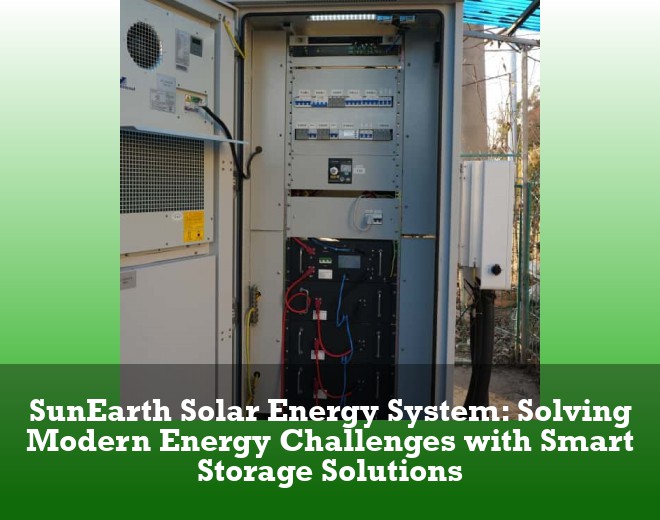
SunEarth Solar Energy System: Solving Modern Energy Challenges with Smart Storage Solutions
solar energy systems have become almost mainstream, but why aren't more households adopting them despite clear environmental benefits? The answer lies in three persistent pain points:
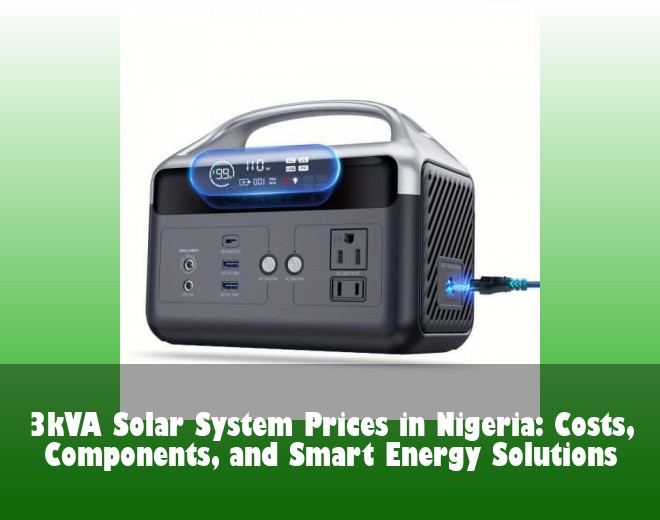
3kVA Solar System Prices in Nigeria: Costs, Components, and Smart Energy Solutions
You know that sinking feeling when the lights flicker during Friday night football? For 68% of Nigerian households, this isn't just occasional drama—it's daily reality. The national grid delivers less than 4,000MW for 220 million people. To put that in perspective, New York City alone uses about 10,000MW on a summer day!
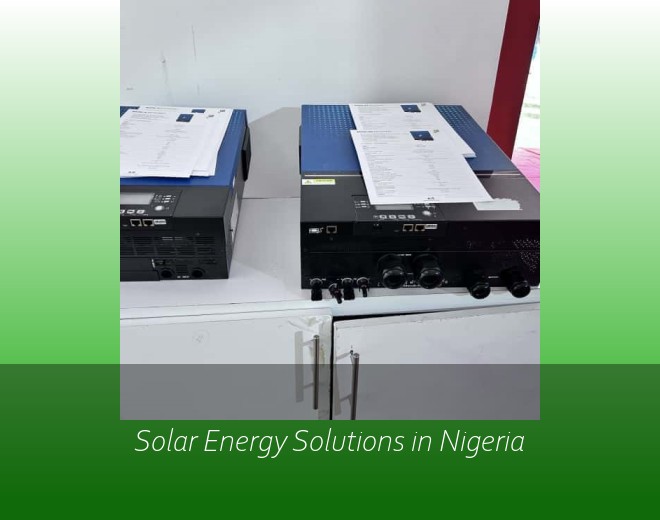
Solar Energy Solutions in Nigeria
Imagine running a hospital where life-saving equipment fails daily. That's reality for 85 million Nigerians living without grid electricity. The national grid only supplies 4,000MW - less than what New York City consumes on a Tuesday morning. Why does Africa's largest economy struggle to keep lights on?
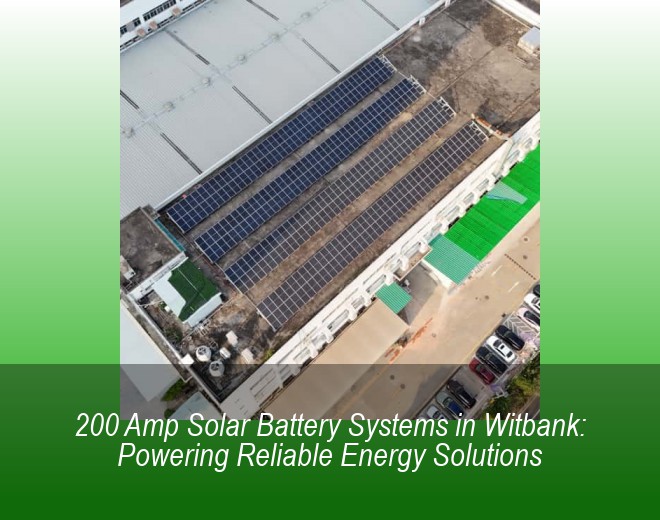
200 Amp Solar Battery Systems in Witbank: Powering Reliable Energy Solutions
You've probably noticed more solar panels popping up around Witbank's mining operations and suburban rooftops. But here's the kicker – solar energy storage remains the missing puzzle piece for reliable power. Last winter's rolling blackouts cost local businesses over R18 million in productivity losses, according to municipal reports.
 Inquiry
 Online Chat