


Understanding 200-Amp Solar Batteries: Power Capacity and Real-World Applications
Table of Contents
What Determines a Solar Battery's Wattage?
Let's cut through the jargon first. When someone asks about a 200-amp solar battery, they're really asking: "How much usable power can I actually get?" But here's the kicker – amp hours alone don't tell the whole story. It's like describing a fuel tank by its width without mentioning depth.
The magic formula is simple yet often misunderstood: Watts = Volts × Amps. Most solar batteries operate at 12V, 24V, or 48V. A 200Ah battery at 12V gives you 2,400 watt-hours (200 × 12). But wait – that's theoretical capacity. Real-world performance? That's where things get interesting.
The Math Behind 200-Amp Systems
Take a typical 48V system – the sweet spot for modern home installations. 200Ah × 48V = 9,600Wh. Sounds impressive, right? But here's the rub: You never want to fully drain a battery. Most manufacturers recommend keeping at least 20% charge. So your actual usable energy drops to about 7,680Wh.
"But why does voltage matter so much?" you might ask. Higher voltage systems reduce energy loss during transmission – a crucial factor when your solar panels are 50 feet from your battery bank. It's like using a wider pipe to move more water with less pressure.
Why Your Battery Doesn't Deliver 100%
Imagine this scenario: You've installed a top-tier lithium iron phosphate (LiFePO4) system. On paper, it should power your refrigerator for 48 hours. But after installation, you're only getting 36 hours. What gives?
- Temperature fluctuations: Battery efficiency drops 2% for every 10°F below 77°F
- Inverter losses: Even quality models waste 5-10% during DC-AC conversion
- Parasitic loads: That battery management system? It's sipping power 24/7
A recent field study in Arizona showed that solar battery arrays actually deliver 82-87% of their rated capacity. The desert heat? It reduced lifespan by 18% compared to temperature-controlled installations.
Case Study: Off-Grid Cabin Power Solution
Meet the Carter family – they ditched the grid last spring. Their setup:
| Battery Type | Lithium-ion |
| Capacity | 200Ah @ 24V |
| Solar Input | 1,200W panels |
| Daily Usage | 5.8kWh |
During a cloudy week in November, their system provided 72 hours of backup power – enough to ride out the storm. The secret sauce? They oversized their solar array by 40% to compensate for seasonal variations.
Emerging Tech in Solar Storage
While we're talking innovation, solid-state batteries are making waves. They promise 2-3× the energy density of current Li-ion systems. But here's the reality check – most are still 5-7 years from commercial viability for solar energy storage.
More immediately exciting? Smart battery networks that learn your usage patterns. These systems can:
- Predict weather patterns to optimize charge cycles
- Sell excess power back to the grid during peak rates
- Prioritize essential loads during outages
Just last month, a pilot program in California used machine learning to boost battery ROI by 22%. The algorithm basically turns your energy storage into a stock trader – buying and selling electrons at optimal times.
The Maintenance Myth
"Set it and forget it" doesn't apply here. Even sealed batteries need love. A client learned this the hard way when corrosion cost them $1,200 in replacements. Our maintenance cheat sheet:
- Monthly: Check terminal connections
- Quarterly: Capacity test
- Annual: Full system diagnostics
Remember that viral TikTok about a "forever battery"? Yeah, that was mostly hype. All batteries degrade – the best LiFePO4 units lose about 3% capacity yearly. Lead-acid? More like 10-15%.
Making the Right Choice
When evaluating a 200-amp system, ask these critical questions:
- What's my average daily kWh usage?
- How many cloudy days should I prepare for?
- Do I need whole-home backup or just essentials?
A common mistake? Overestimating solar input. That 200Ah battery might need 800W of panels for reliable charging – more if you're in Seattle versus San Diego.
Final pro tip: Always spec your system for winter conditions. If it works in December's gloom, it'll breeze through summer sun. Your future self will thank you when the lights stay on during that ice storm.
Related Contents

Solar Power Batteries: Capacity and Real-World Applications
You know how people keep talking about solar power batteries saving the energy transition? Well, here's the thing – the average residential solar system wastes 40% of generated power without proper storage. Modern lithium-ion solutions now store 90-95% of captured energy, a huge leap from lead-acid batteries' 70-80% efficiency.
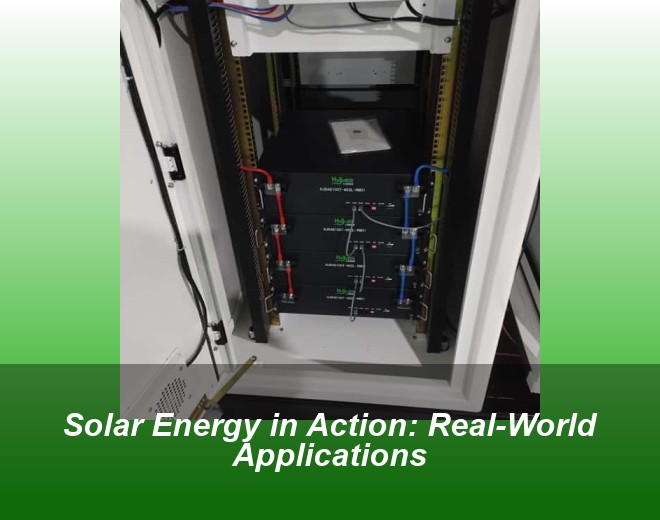
Solar Energy in Action: Real-World Applications
Let’s face it – our energy needs aren’t getting any simpler. With global electricity demand projected to jump 50% by 2040, we’ve reached a critical juncture. Solar energy isn’t just an alternative anymore; it’s becoming the backbone of modern power systems. But how exactly is this ancient energy source being harnessed in modern times?
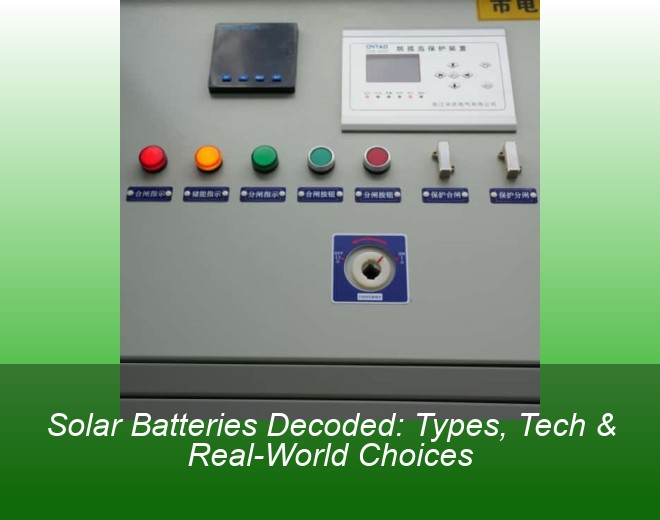
Solar Batteries Decoded: Types, Tech & Real-World Choices
Ever wondered why your neighbor's new solar battery installation caused such excitement? With global solar capacity projected to triple by 2030, the unsung heroes enabling this transition are precisely these energy storage workhorses. But here's the kicker - not all solar batteries are created equal.
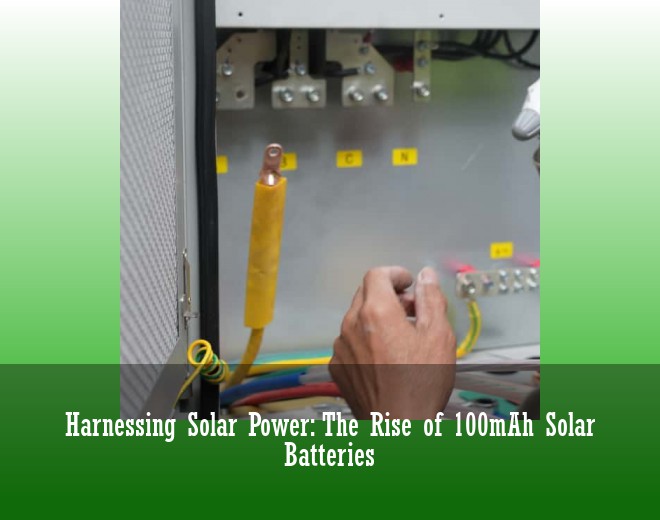
Harnessing Solar Power: The Rise of 100mAh Solar Batteries
Ever wondered why your solar-powered gadgets sometimes conk out when you need them most? The problem isn’t always the solar panel—it’s often the solar battery struggling to store energy efficiently. Traditional solar storage solutions have been like using a bucket to catch rainwater—bulky, inefficient, and frankly, kinda old-school.
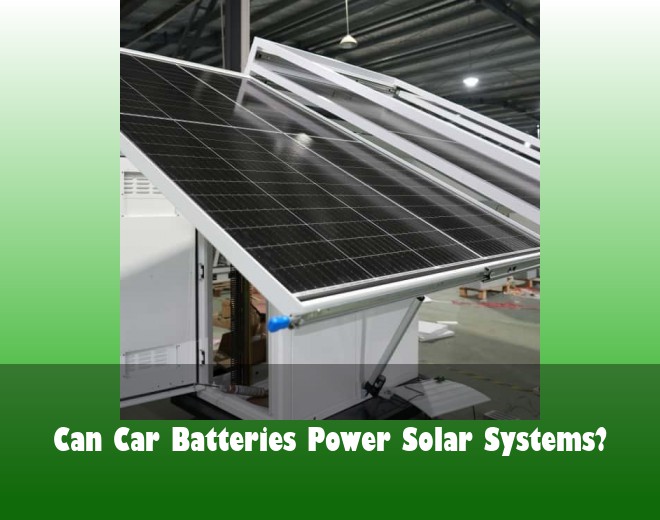
Can Car Batteries Power Solar Systems?
You've probably wondered - why buy expensive solar batteries when old car batteries sit unused in garages? After all, both systems store electrical energy, right? The logic appears sound until you peek under the hood, literally and figuratively.
 Inquiry
 Online Chat