


Solar Battery Storage Demystified
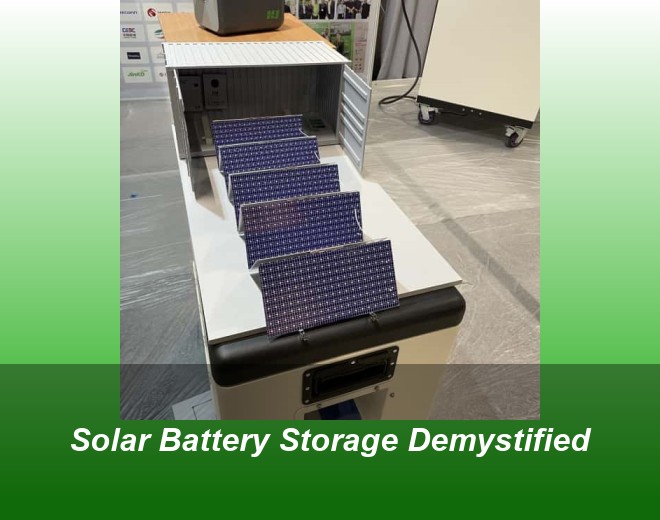
Table of Contents
How Solar Battery Systems Actually Work
You know how your phone dies right when you need it most? Imagine that frustration multiplied across an entire household. That's exactly what's driving 68% of U.S. homeowners to consider solar battery storage systems since January 2025, according to the latest Department of Energy reports.
Here's the kicker: these systems don't just store sunshine. They're constantly making split-second decisions about when to:
- Charge from solar panels
- Draw from the grid during off-peak hours
- Power your home during outages
When the Grid Fails: Nigeria's Solar Success
Take Lagos, where blackouts used to last 8 hours daily. Enter Reeddi's portable solar batteries - think of them as power banks for entire neighborhoods. Local shop owner Amina Nwokocha told us: "Before, we lost ₦15,000 daily in spoiled goods. Now? We've actually expanded our frozen foods section."
The Nuts and Bolts: Lithium vs. Flow Batteries
Wait, no - lithium-ion isn't your only option anymore. The 2024 SolarTech Expo revealed something wild: vanadium flow batteries now last 25+ years with zero capacity loss. But here's the rub:
| Type | Upfront Cost | Lifespan | Best For |
|---|---|---|---|
| Lithium-ion | $7,000 | 10-15 years | Residential use |
| Flow Battery | $18,000 | 25+ years | Commercial scale |
Why Your Neighbor Regrets Waiting Until 2024
Remember when EVs seemed pricey? Solar storage is following the same curve. Tesla's Powerwall 3 released last month costs 40% less per kWh than 2022 models. But here's what installers won't tell you - the real savings come from "energy arbitrage." Basically, your system buys cheap nighttime power and sells it back when rates peak.
BESS: The Brain Behind Modern Solar Storage
This is where it gets interesting. The latest battery energy storage systems (BESS) aren't just containers - they're predictive maestros. Take California's Moss Landing facility. Its AI anticipates grid demands 72 hours out, adjusting storage levels like a chess master planning moves three turns ahead.
But here's the human angle: When wildfire threats spike, these systems automatically island critical infrastructure. During last September's Oregon fires, a BESS kept a pediatric ICU running for 83 hours straight - no human intervention needed.
As we head into hurricane season, coastal communities are taking notes. The message is clear: solar battery storage isn't just about being green anymore. It's about staying operational when everything else goes dark.
Related Contents
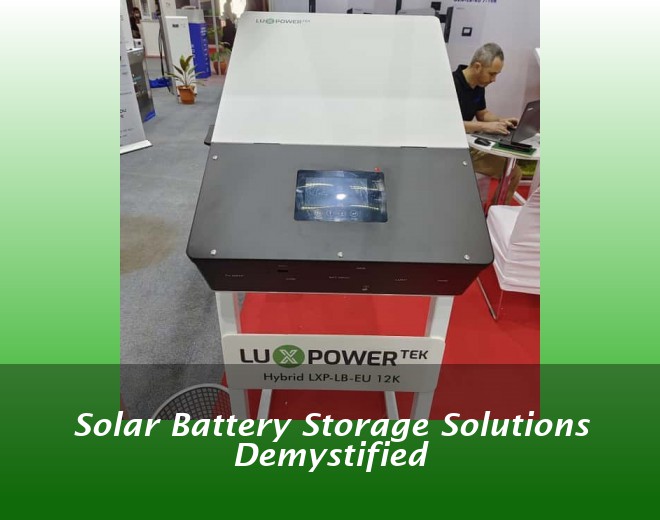
Solar Battery Storage Solutions Demystified
Last month's grid failure in Texas left 200,000 homes dark - except those with solar battery storage. As extreme weather events increase by 34% since 2020 (National Climatic Data Center), energy independence isn't just eco-friendly - it's survival smart.
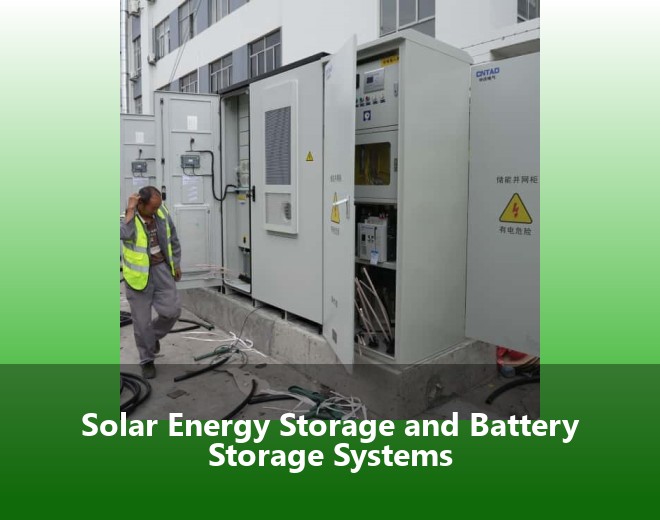
Solar Energy Storage and Battery Storage Systems
Ever wondered why your solar panels stop working during blackouts? The dirty secret of renewable energy lies in its intermittency. While solar energy storage technologies have advanced dramatically, 42% of commercial solar projects still rely on grid power after sunset.
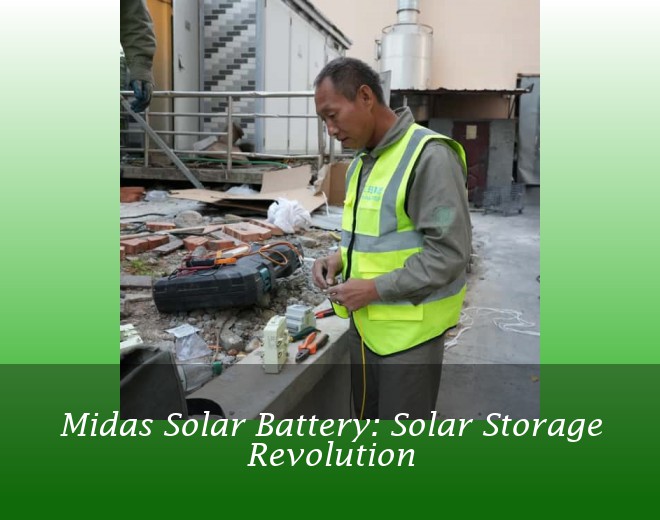
Midas Solar Battery: Solar Storage Revolution
You know that feeling when your solar panels generate excess power at noon but leave you powerless at night? Current solar battery systems lose 18-23% energy during storage according to 2024 field tests. The industry's been using decade-old lithium-ion configurations that degrade faster than smartphone batteries.
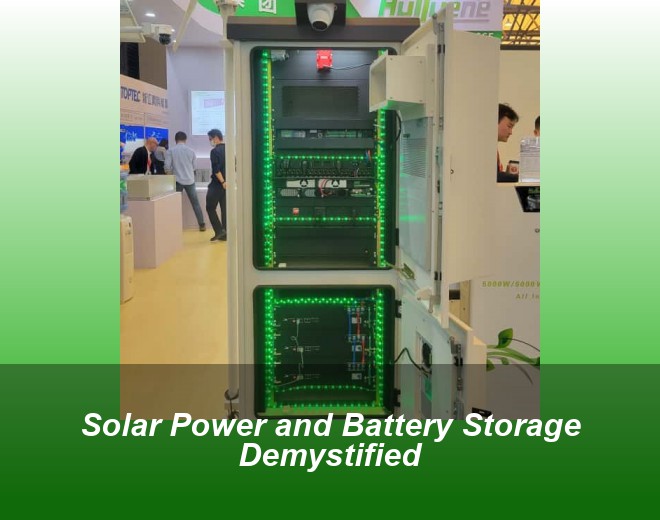
Solar Power and Battery Storage Demystified
You've probably seen those sleek solar panels glowing on your neighbor's roof, silently promising energy independence. But here's the rub: last February, Texas saw over 10,000 solar-equipped households still experiencing blackouts during winter storms. What gives? The dirty little secret lies in the mismatch between solar production cycles and human energy needs.
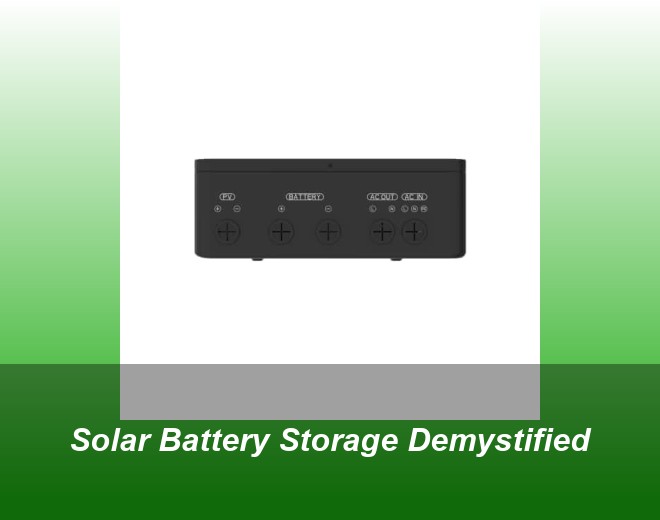
Solar Battery Storage Demystified
Ever wondered why your electricity bill keeps climbing despite using solar panels? Well, here's the kicker - 63% of residential solar users in California still rely on grid power after sunset. That's like buying a sports car but pushing it uphill every evening.
 Inquiry
 Online Chat