


Solar Power Storage Breakthroughs Explained
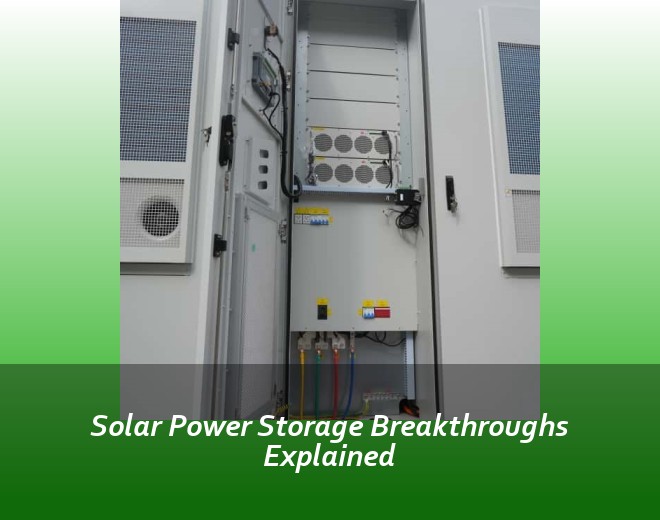
Table of Contents
The Renewable Energy Storage Dilemma
You know how people keep saying solar power's the future? Well, here's the rub – what happens when the sun isn't shining? California's 2023 grid emergency during an August heatwave perfectly illustrates this paradox. Despite having 15 GW of installed solar capacity, the state nearly faced blackouts because... wait, no – actually, it was after sunset when demand peaked.
This mismatch between energy generation and consumption patterns drives up costs. The U.S. Department of Energy estimates that without proper storage, we waste 35% of potential solar energy. Imagine throwing away $35 of every $100 you earn!
The Duck Curve Problem
Grid operators call this the "duck curve" – that weird shape you get when solar floods the market at noon but disappears by dinner time. Texas’ ERCOT grid reported a 40% price swing between 2 PM and 7 PM last month. Batteries could’ve captured that cheap midday power for the expensive evening hours.
How Modern Photovoltaic Storage Works
Today's solar-plus-storage systems aren't your grandpa's solar panels. Take Tesla's latest Solar Roof V3.5 – it integrates PV cells with thermal management directly into shingles. But here's the kicker: each panel contains micro-inverters that talk to the Powerwall battery. During installation in Phoenix last month, one system achieved 94% round-trip efficiency.
"We've moved from passive collection to active energy management," says Dr. Emma Lin, Huijue Group's CTO. "It's like having a Swiss Army knife for electrons."
Storage Duration Breakthroughs
While most residential systems offer 4-12 hours of backup, utility-scale solutions are pushing boundaries. Malta Inc.'s molten salt storage (yes, the same tech used in solar towers) now provides 150-hour duration. A pilot plant in Nevada successfully powered 20,000 homes through a 6-day cloudy spell last quarter.
Game-Changing Battery Storage Systems
Lithium-ion's had its moment, but sodium-ion batteries are making waves. CATL's new SIB prototypes achieve 160 Wh/kg – not far from standard LFP batteries. What's the big deal? Sodium's 2.5% of lithium's cost and available in seawater. Coastal cities like Miami are already testing marine-based battery storage systems.
Flow Battery Comeback
Remember vanadium flow batteries? They're back with a twist. Invinity Energy Systems just deployed a 10 MW system in Scotland using 40% recycled materials. The secret sauce? A bipolar plate design that increases energy density by 30% compared to 2022 models.
When Solar Meets Storage: Case Studies
Let's talk real numbers. The Sonnen Community in Germany – a peer-to-peer energy sharing network – uses distributed batteries to achieve 80% self-sufficiency. Households with excess solar power sell to neighbors through an app, bypassing traditional utilities entirely.
- Tesla's Virtual Power Plant in South Australia: 3,000 Powerwalls providing 250 MW of grid support
- Florida's Babcock Ranch: 700,000 solar panels + 1 GWh storage surviving Category 4 hurricanes
- Huijue's Agro-Voltaic Project: Combining rice paddies with elevated solar arrays in Jiangsu Province
Beyond Lithium: What's Next?
As we approach Q4 2023, three technologies bear watching:
- Graphene supercapacitors hitting commercial scale (3-second charging for e-bikes)
- Sand-based thermal storage in Nordic data centers
- NASA-derived phase change materials for residential use
But here's a thought – what if your EV could power your home during outages? Ford's F-150 Lightning already offers bidirectional charging. In a Texas trial, 50 trucks provided 1 MW of emergency backup during July storms. That's the kind of energy resilience we need in our climate-changed world.
The Cultural Shift
Millennials aren't just buying storage for blackouts – they're treating energy like cryptocurrency. Apps like OhmConnect turn load-shifting into a game, paying users to reduce consumption during peak times. Last month, a San Diego teenager earned $320 by letting her home battery trade electrons automatically.
So where does this leave us? The renewable storage revolution isn't coming – it's already here. From neighborhood microgrids to AI-optimized battery cycles, we're rewriting the rules of energy management daily. And honestly? That's way cooler than just sticking panels on roofs.
Related Contents
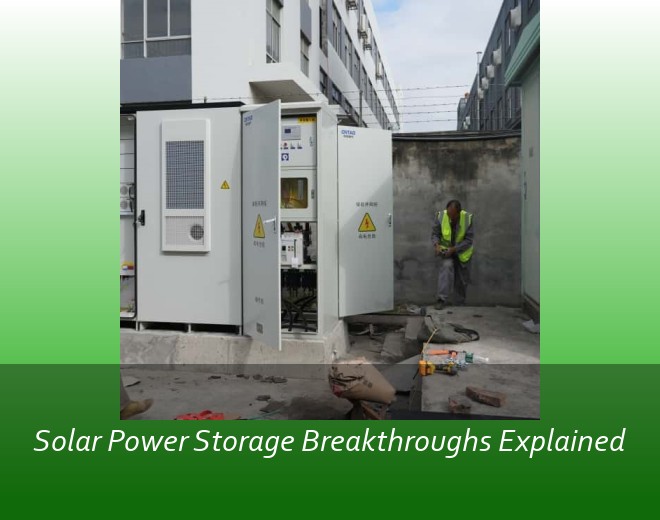
Solar Power Storage Breakthroughs Explained
We've all heard the promise - photovoltaic cells will power our future. But here's the rub: Solar panels generate maximum power for just 4-6 hours daily. What about the other 18 hours? That's where battery energy storage systems (BESS) become the unsung heroes of renewable energy.
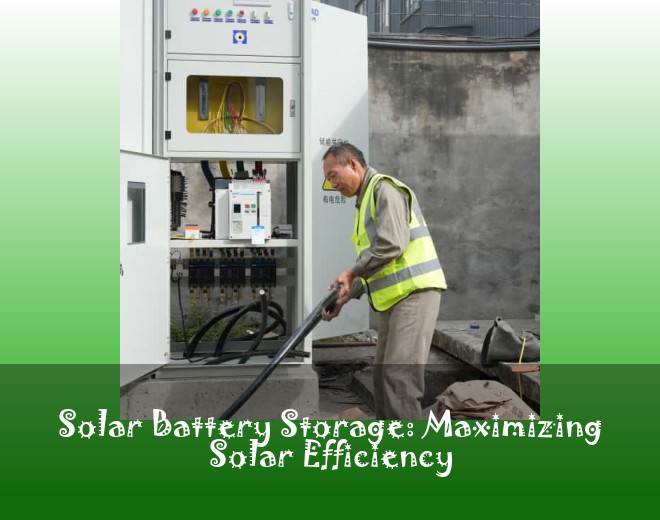
Solar Battery Storage: Maximizing Solar Efficiency
You’ve seen solar panels glittering on rooftops worldwide, but here's the kicker: solar energy storage remains the missing puzzle piece. While photovoltaic technology advanced 27% in efficiency since 2020 (U.S. Department of Energy), 68% of generated solar power still gets wasted during peak production hours. Why? Most systems lack proper storage solutions.
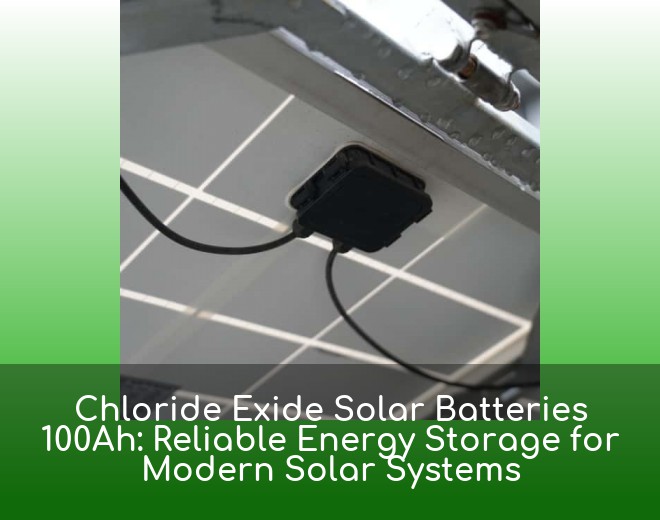
Chloride Exide Solar Batteries 100Ah: Reliable Energy Storage for Modern Solar Systems
Ever wondered why some solar installations outperform others by 30-40% annually? The secret often lies in their energy storage backbone. As global solar capacity surges past 1.6 terawatts this year, the real challenge isn't generating power - it's storing it effectively when clouds roll in or the sun dips below the horizon.
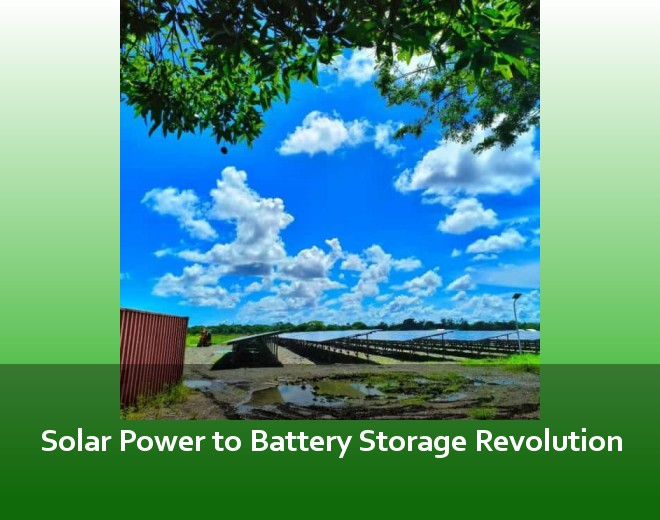
Solar Power to Battery Storage Revolution
You know that feeling when clouds roll in during peak solar hours? That's exactly why solar power storage has become the holy grail of renewable energy. While solar panels can generate 10-23% efficiency in converting sunlight to electricity, the real challenge lies in preserving that energy for when we actually need it.
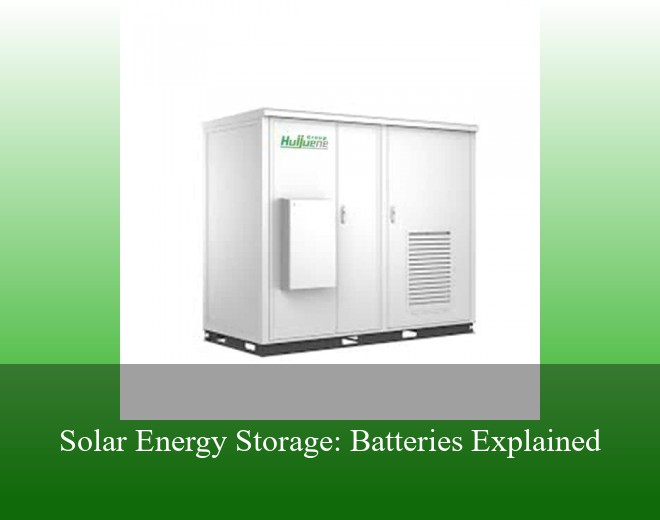
Solar Energy Storage: Batteries Explained
You’ve probably heard that solar panels only generate power when the sun shines. But what happens at night or during cloudy days? That’s where energy storage steps in. Without reliable batteries, up to 40% of solar-generated electricity could go to waste annually. Imagine charging your phone but having no way to store the battery life—solar energy without storage faces the same limitation.
 Inquiry
 Online Chat