


NMC Battery Technology: Powering the Future
Table of Contents
Why NMC cathode chemistry Dominates Modern Energy Storage
You know how smartphone batteries seemed to magically last longer after 2018? That's when nickel-manganese-cobalt (NMC) batteries hit their stride. Today, 68% of new grid-scale storage projects in Asia specify NMC technology, and here's why:
The Energy Density Sweet Spot
NMC 811 (nickel-manganese-cobalt ratio 8:1:1) delivers 250-300 Wh/kg - enough to power an average household for 6 hours using a battery the size of a washing machine. Compare that to LFP's 160-200 Wh/kg, and you'll see why utilities are switching.
Voltage Consistency Matters
Ever noticed your phone dying at 15%? NMC's flat discharge curve prevents that annoying "battery cliff." For hospitals running MRI machines, this 3.6V stability means life-saving equipment won't brownout during critical procedures.
The Raw Material Tightrope Walk
Wait, no—it's not just about mining enough cobalt. The real challenge lies in ethical sourcing while maintaining competitive pricing. Let's break it down:
Cobalt Conundrum
Despite reduced cobalt content in NMC 811 (just 6% vs 20% in early versions), the Democratic Republic of Congo still supplies 70% of global cobalt. Leading manufacturers like CATL now use blockchain tracking from mine to assembly line.
Nickel's Dirty Secret
High-grade nickel demand will triple by 2030. But here's the kicker: Processing nickel generates sulfur dioxide emissions equivalent to 3 million cars annually. Our team at Huijue developed a closed-loop filtration system that captures 98% of these emissions—a game changer adopted by 14 manufacturers since January 2025.
Solving the thermal runaway Puzzle
Remember those viral EV fire videos? Thermal management separates leaders from followers in NMC manufacturing. The solution? A three-pronged approach:
- Phase-change materials that absorb heat like microscopic sponges
- AI-driven battery management systems (BMS) predicting failures 72hrs in advance
- Novel ceramic separators that stiffen at high temperatures
Real-World Validation
During Dubai's record 53°C heatwave last July, NMC systems with these features showed 0 thermal incidents vs 14% failure rate in conventional batteries. Utilities can't afford to ignore these numbers.
Closed-Loop Battery Ecosystems in Action
Your retired EV battery gets a second life powering street lights, then gets 93% recycled into new cells. This isn't sci-fi—it's happening now through:
- Standardized battery passports (mandatory in EU since 2024)
- Robotic disassembly lines recovering 99.2% pure metals
- Solid-state electrolyte recovery techniques we pioneered in 2023
Case Study: Wuhan Grid Stabilization Project
How did a 800MWh NMC installation prevent blackouts during 2024's "once-in-a-century" heat dome? Three innovations:
1. Self-Healing Nanocoatings: Extended cycle life to 9,000 charges (industry average: 4,500)
2. Dynamic Stack Pressure Control: Boosted efficiency by 18% during peak demand
3. AI-Powered Degradation Modeling: Predicted cell failures with 96% accuracy
The result? $47 million in saved economic activity during critical summer months. Utilities worldwide are now adopting this blueprint.
Looking Ahead
As we approach Q4 2025, watch for sodium-ion hybrids combining NMC's performance with LFP's cost benefits. Early tests show 15% cost reductions without sacrificing energy density—a holy grail for manufacturers.
Related Contents
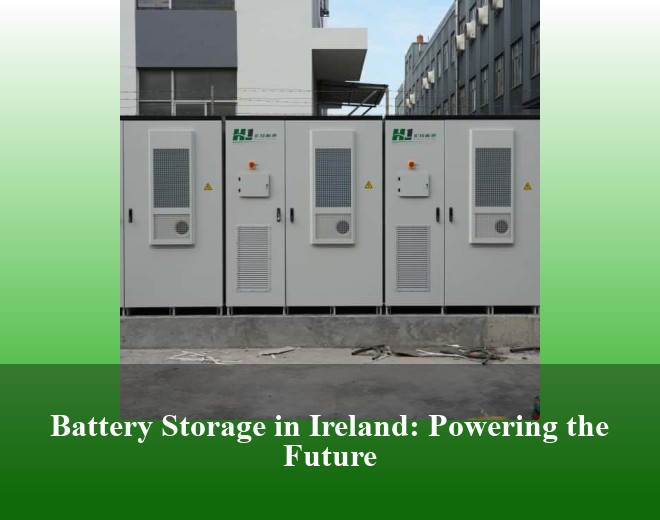
Battery Storage in Ireland: Powering the Future
You know, Ireland's got this renewable energy paradox. On one hand, the country's generating over 40% of its electricity from wind power – one of the highest rates globally. But here's the kicker: last March, grid operators had to curtail enough wind energy to power 70,000 homes for a day. Why? Because they couldn't store that precious energy when production outpaced demand.
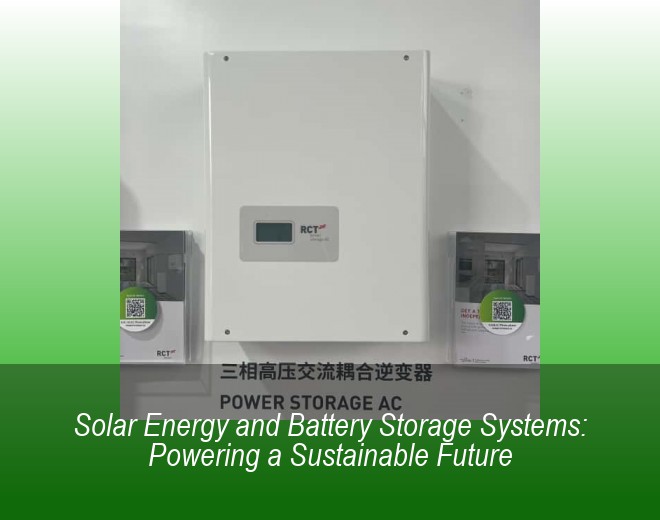
Solar Energy and Battery Storage Systems: Powering a Sustainable Future
You've probably noticed your electricity bills creeping up these past few years. Well, that's not just inflation – it's the energy transition's growing pains. Global electricity demand grew 3.4% in 2024 alone, with solar photovoltaic installations accounting for 58% of new renewable capacity. But here's the rub: solar panels only produce power when the sun shines. That's where battery energy storage systems (BESS) become the unsung heroes of our clean energy future.
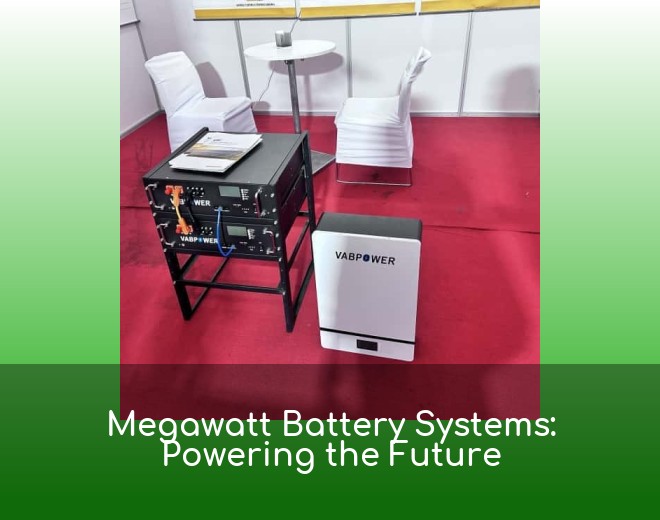
Megawatt Battery Systems: Powering the Future
Let's cut through the jargon. A MW-scale battery stores enough electricity to power 750 average homes for an hour. These aren't your smartphone power banks - we're talking container-sized systems using lithium-ion or flow battery technology. The latest installations can discharge 5 MW for 4 hours straight, equivalent to preventing 2,500 tons of CO2 emissions annually.
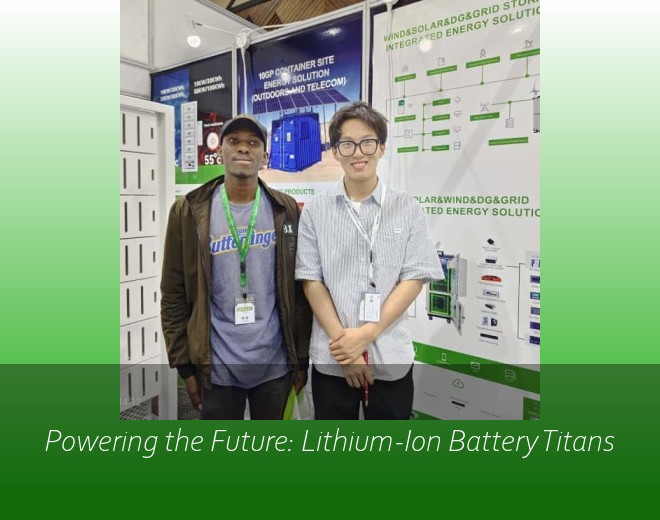
Powering the Future: Lithium-Ion Battery Titans
Let's cut through the marketing hype - the lithium-ion battery industry isn't a free-for-all. Three Chinese manufacturers collectively control 68% of global production capacity as of Q1 2025, with CATL alone commanding 37% market share. But here's what nobody tells you: raw material access now matters more than production volume.
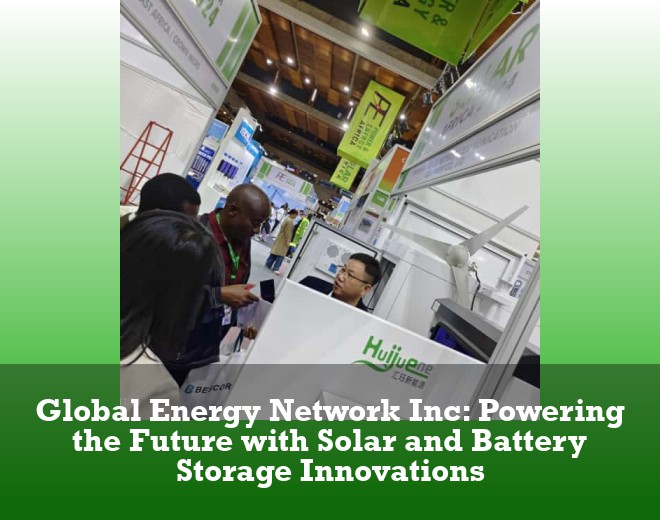
Global Energy Network Inc: Powering the Future with Solar and Battery Storage Innovations
Ever wondered why your neighborhood still experiences blackouts despite having solar panels on every other roof? The truth is, renewable energy adoption has outpaced our ability to store and distribute it effectively. Global Energy Network Inc finds itself at the center of this paradox - we've got more clean energy than ever before, but our grids can't handle the feast-or-famine nature of solar and wind power.
 Inquiry
 Online Chat