


Power Solutions in Nigeria: Overcoming Energy Poverty
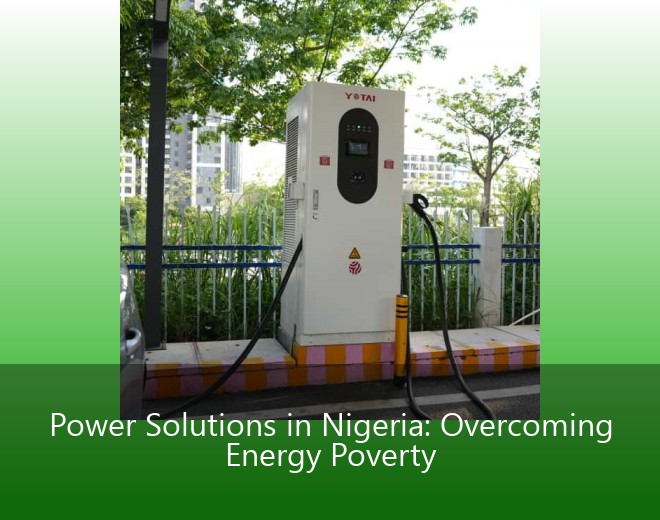
Table of Contents
The Silent Crisis: 60 Million Nigerians Without Electricity
Africa's largest economy, yet 43% of its population - that's roughly 60 million people - live without reliable electricity access. How can a nation so rich in resources struggle to keep the lights on? The answer lies in outdated infrastructure and rapid urbanization outpacing traditional power solutions.
Last month's nationwide blackout reminded us all: Nigeria's grid collapses aren't occasional hiccups but systemic failures. Transmission losses hover around 40%, compared to 6-8% in developed nations. Farmers lose refrigeration capabilities. Hospitals run generators on diesel costing ₦800/liter. Students study under flickering kerosene lamps emitting harmful fumes.
The Human Cost of Darkness
Meet Amina, a Lagos tailor working nights under battery-powered LEDs. "When my lights fail, I lose clients to shops with solar panels," she shares. Her story isn't unique - the World Bank estimates Nigerian businesses lose $29 billion annually from power outages.
Why Grid Expansion Alone Won't Work
Conventional wisdom says "build more power plants." But here's the rub: 80% of Nigeria's current generation comes from gas-fired plants vulnerable to pipeline vandalism. Meanwhile, rural communities lie beyond the grid's reach, making centralized solutions impractical.
Three core challenges emerge:
- Geographic spread across 923,768 km²
- $2 billion annual diesel expenditure for backup generators
- Rising fuel costs inflating electricity tariffs by 40% since 2022
This isn't just about keeping lights on. Reliable energy storage systems could transform agricultural processing, healthcare refrigeration, and digital education access nationwide.
Solar Revolution: Practical Solutions Emerging
Nigeria receives 4-6 kWh/m²/day of solar irradiation - double Germany's average. Innovative companies are leveraging this through:
- Pay-as-you-go solar home systems
- Microgrids powering entire communities
- Hybrid systems combining solar with existing generators
Take the Sabon Gari market in Kano. Last quarter, a 500kW solar installation replaced diesel generators, reducing energy costs by 60% for 320 shops. "We've sort of become the model other markets copy," beams the project manager, with visible pride.
Storage: The Missing Piece
Solar panels alone aren't enough. Without battery storage solutions, night-time operations remain vulnerable. Lithium-ion prices dropping 89% since 2010 make storage viable now. A typical 5kWh residential battery can power essentials for 10+ hours - crucial for clinics and cold storage.
Real-World Projects Lighting the Way
The Niger Delta's first solar-powered water treatment plant came online last month, serving 15,000 daily. In Abuja, a 75MW solar farm integrates with existing grid infrastructure, demonstrating scalable models. These aren't pilot projects anymore - they're blueprints.
As we approach Q2 2025, industry events like Powerelec Nigeria showcase cutting-edge technologies. Last year's exhibition saw 142 exhibitors demonstrating everything from smart meters to portable solar kits - tangible proof of market momentum.
So where does this leave us? The solutions exist. The financing mechanisms are evolving. The political will appears stronger than ever. Nigeria's energy transition isn't just possible - it's already underway in market stalls, rural clinics, and urban factories across the nation.
Related Contents
Power Solutions for Renewable Energy Transition
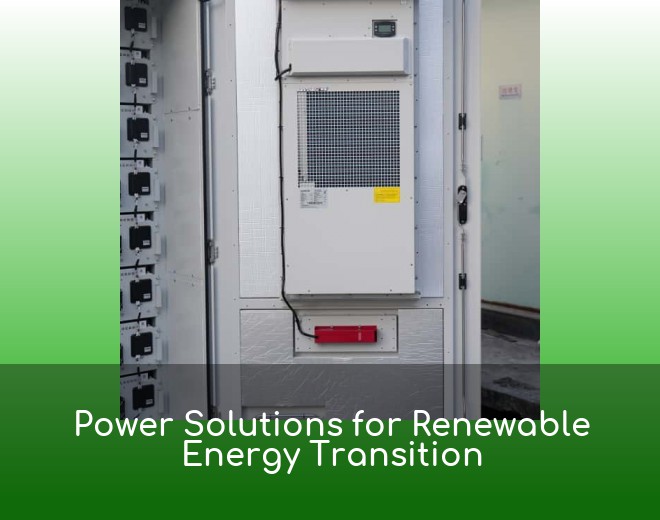
Why do renewable power solutions still struggle with energy reliability despite record solar installations? The answer lies in the duck curve phenomenon - that awkward midday solar surplus followed by evening shortages. In California alone, grid operators curtailed 2.4 million MWh of renewable energy in 2023, enough to power 270,000 homes annually.
Solar Power and Energy Storage Solutions
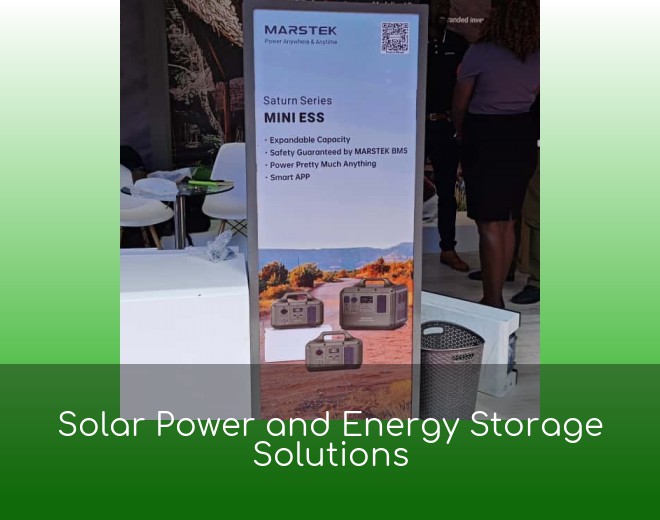
Why do 800 million people still lack reliable electricity while solar PV systems become cheaper than fossil fuels? The answer lies in our outdated energy infrastructure. Traditional power grids can't handle renewable energy's intermittent nature - solar panels stop generating at night, wind turbines idle in calm weather.
Low Power Solutions for Renewable Energy
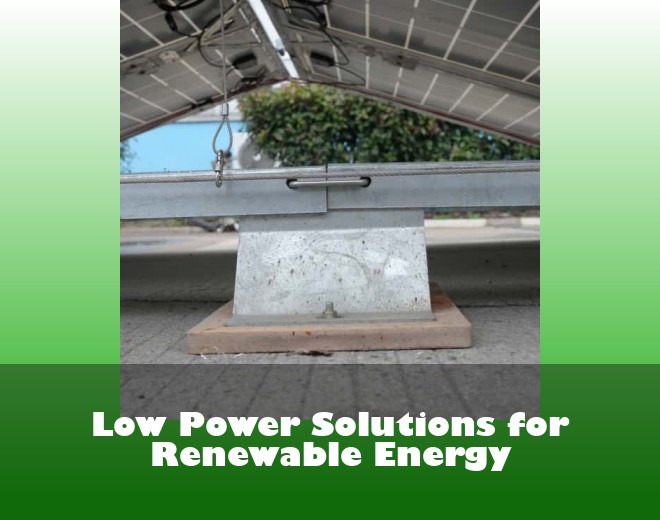
Ever wondered why your solar panels stop working during cloudy days? The answer lies in our energy storage gap - the Achilles' heel of renewable systems. While solar and wind installations grew 300% last decade, storage capacity only increased by 60%, creating dangerous mismatches.
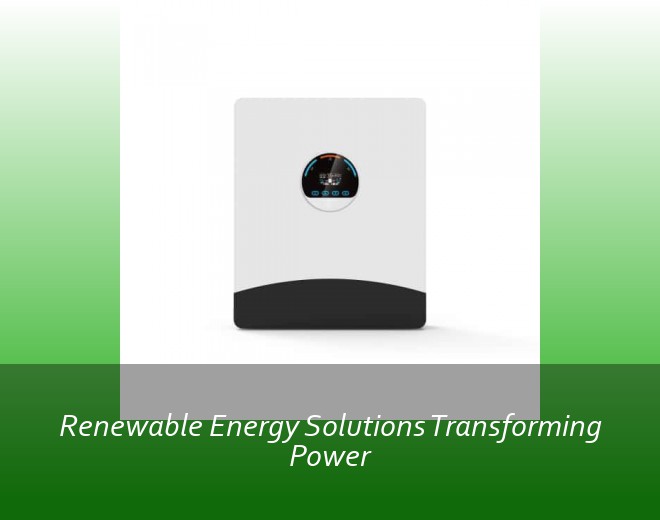
Renewable Energy Solutions Transforming Power
our grids are creaking like grandpa's rocking chair. Renewable energy solutions aren't just nice-to-have anymore; they're the life raft in this perfect storm of climate chaos and energy insecurity. Remember Texas' 2021 grid collapse? That wake-up call still echoes through utility boardrooms worldwide.
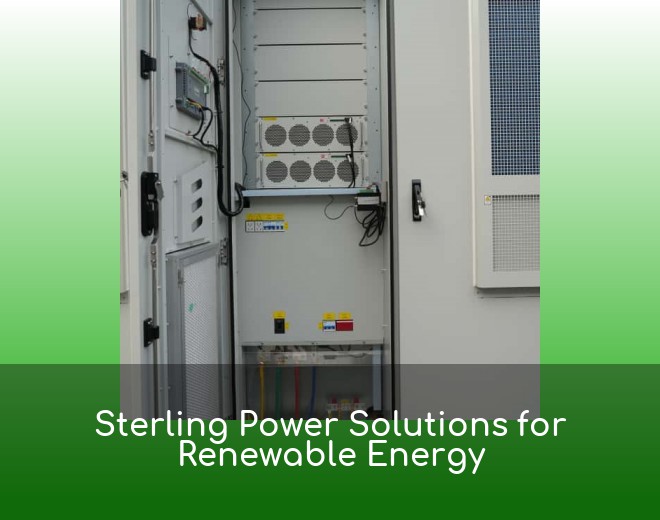
Sterling Power Solutions for Renewable Energy
You know how everyone's hyping solar panels these days? Well, here's the kicker - we've sort of forgotten the energy storage piece. Last quarter alone, California curtailed 2.4 million MWh of solar power - enough to light up 350,000 homes for a month. That's where Sterling Power enters the picture with their modular battery systems.
 Inquiry
 Online Chat