


Qasa Solar Nigeria: Powering the Future with Renewable Energy
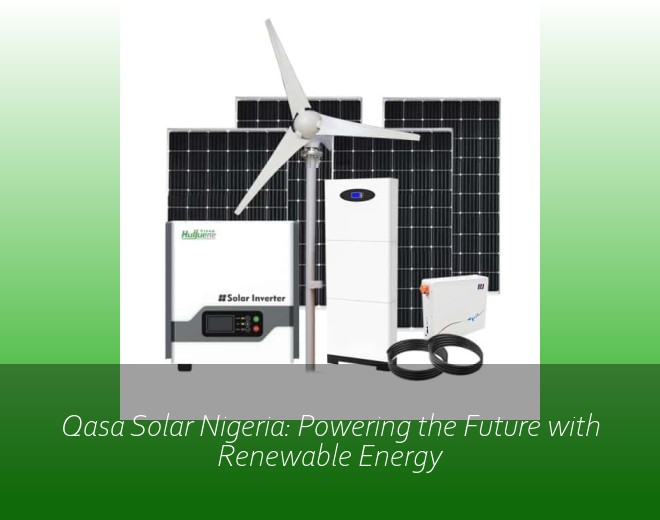
Table of Contents
Nigeria’s Energy Crisis: A Persistent Challenge
Nigeria, Africa’s largest economy, faces a paradox: despite abundant natural resources, over 92 million citizens lack reliable electricity. The national grid, plagued by frequent outages, delivers stable power for just 5-6 hours daily in some regions. This isn’t just inconvenient—it’s a $29 billion annual drag on the economy, stifling industries and forcing households to rely on costly diesel generators. But wait, why hasn’t this been fixed? The answer lies in outdated infrastructure and over-reliance on fossil fuels. Even with recent investments in hydropower and natural gas, progress remains sluggish. Enter solar energy—a solution as bright as Nigeria’s 2,600 yearly sunshine hours.
The Human Cost of Darkness
Imagine running a clinic without refrigeration for vaccines or a school where students study by candlelight. These aren’t hypotheticals—they’re daily realities for millions. In Lagos, small businesses lose 40% of productivity during blackouts. Farmers can’t process crops, hospitals ration fuel, and families breathe toxic generator fumes. Solar isn’t just about convenience; it’s about dignity and survival.
Why Solar and Storage? Nigeria’s Untapped Potential
With 2600 hours of annual sunlight, Nigeria’s solar resource rivals Saudi Arabia’s. Yet less than 1% of this potential is harnessed. Traditional solar systems face hurdles: high upfront costs, lack of storage, and limited grid integration. That’s where battery storage comes in. By pairing solar panels with lithium-ion batteries, households and businesses can store excess energy for nighttime or cloudy days—a game-changer for regions beyond the grid.
Policy Tailwinds and Market Growth
The Nigerian government’s “Green Vision” targets 30% renewable energy by 2030, backed by tax breaks and import duty waivers for solar products. Private sector momentum is building too: Chinese firms like Trina Solar and Jinko Energy have delivered megawatt-scale projects, while local startups deploy pay-as-you-go solar kits. In 2024 alone, Nigeria imported 4,089 tons of lithium batteries from China—second only to South Africa in Africa.
Qasa Solar’s Solutions: Bridging the Power Gap
Qasa Solar isn’t just selling panels—we’re building ecosystems. Our modular systems range from 5kW home kits to 10MW industrial plants, all integrated with smart inverters and cloud-based monitoring. Take our SunBloc series: designed for Nigeria’s harsh climate, these hybrid inverters switch seamlessly between solar, battery, and grid power. In Kano State, a SunBloc installation cut a textile factory’s diesel costs by 70% within six months.
Key Features Driving Adoption
- 15-year battery lifespan with modular upgrades
- Mobile payment integrations for flexible financing
- IoT-enabled maintenance alerts reducing downtime
Real-World Impact: Case Studies from Rural Nigeria
In Ogun State, Qasa partnered with the World Bank to install 150 solar microgrids powering 200 homes each. One community, previously reliant on kerosene lamps, now runs a milling cooperative and evening classes. “We’ve tripled our income,” says Adeola, a local entrepreneur. “The children can finally study after sunset.”
Urban Success: Lagos Goes Solar
Even in grid-connected cities, solar+storage is gaining traction. Victoria Island’s new business hub uses Qasa’s 2MW system to avoid $500,000 monthly in generator costs. With net metering, excess power is sold back to the grid—turning sunlight into revenue.
The Road Ahead: Scaling Solar Adoption
While progress is encouraging, scaling requires addressing three barriers: financing, awareness, and skilled labor. Qasa’s training programs have certified 500 local technicians since 2023, and partnerships with Sterling Bank offer low-interest loans. The EU’s $47 million funding for Nigerian renewables could accelerate this further.
You know, some critics argue solar can’t replace baseload power. But with Nigeria’s grid instability, maybe we’re asking the wrong question. Instead of chasing 24/7 fossil-fueled power, why not build a decentralized, resilient energy web? Solar isn’t a Band-Aid—it’s the future.
A Call to Action
Every minute, Nigeria loses $55,000 to power shortages. The solution isn’t in distant pipelines but in the sunlight above us. From rural microgrids to industrial parks, solar+storage offers a path out of darkness—one rooftop at a time.
Related Contents
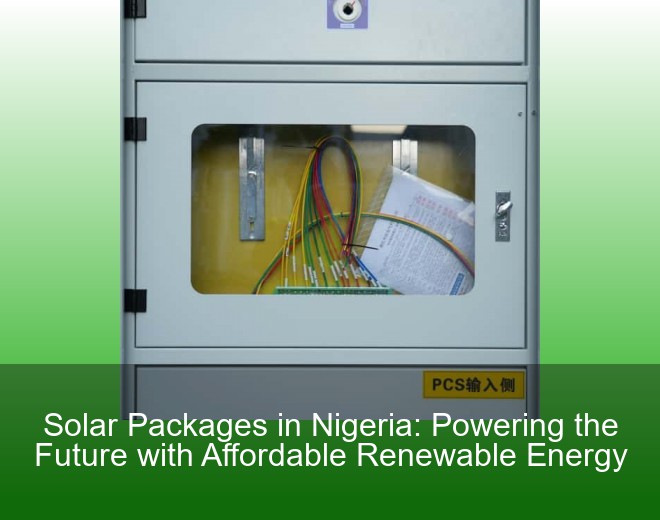
Solar Packages in Nigeria: Powering the Future with Affordable Renewable Energy
You know what's shocking? Africa's largest economy has 43% of its population off-grid. While Lagos skyscrapers glitter at night, rural clinics deliver babies by phone flashlight. But here's the kicker: Nigeria gets 7 hours of daily sunlight - enough to power Germany twice over!
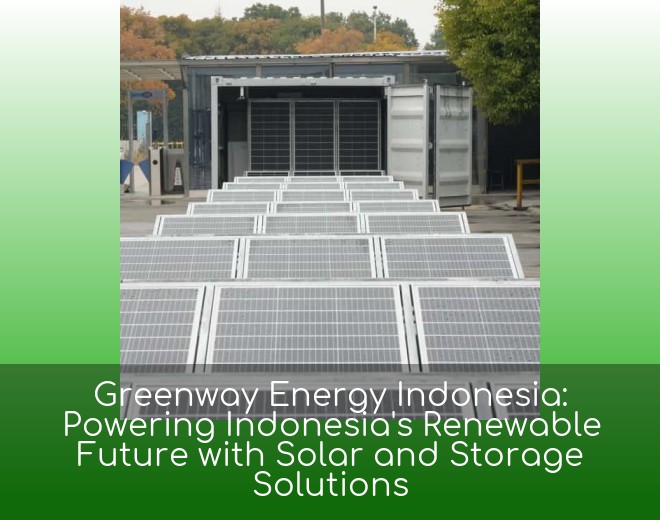
Greenway Energy Indonesia: Powering Indonesia's Renewable Future with Solar and Storage Solutions
A nation spanning 17,000 islands, where 25% of households lack reliable electricity access despite sitting atop 3,692 GW of renewable energy potential . Indonesia's energy paradox isn't just ironic – it's a ticking time bomb. With coal still fueling 61% of power generation, the archipelago faces mounting pressure to reconcile economic growth with its net-zero pledges.
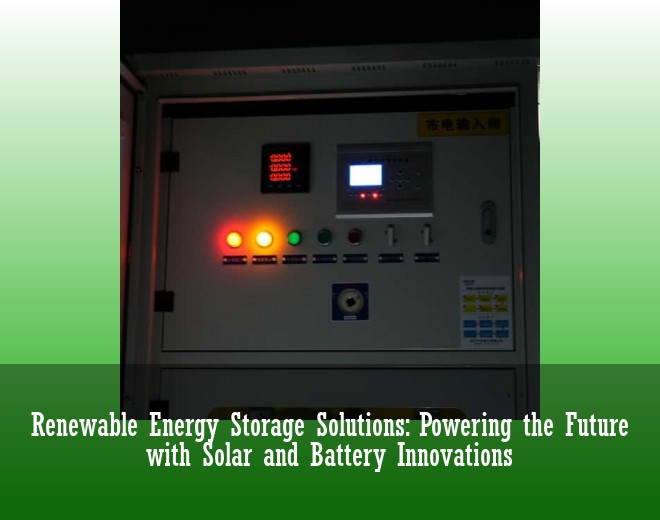
Renewable Energy Storage Solutions: Powering the Future with Solar and Battery Innovations
You know, the renewable energy transition isn't just coming—it's already rewriting how we power our world. But here's the million-dollar question: Are we ready to handle the intermittent nature of solar and wind power? Let's face it—the sun doesn't always shine, and wind patterns can be as unpredictable as a teenager's mood.
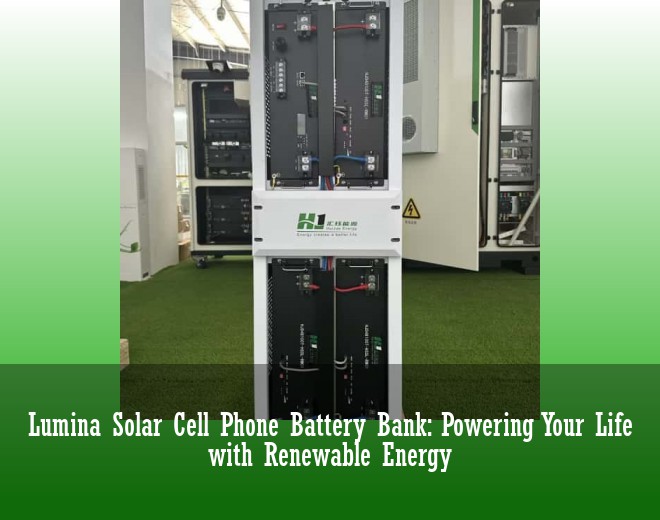
Lumina Solar Cell Phone Battery Bank: Powering Your Life with Renewable Energy
You've probably found yourself stranded with a dead phone battery during a hiking trip or festival. Well, here's the kicker: solar cell technology has quietly achieved what seemed impossible five years ago. The global portable solar charger market grew 28% in 2024 alone, driven by innovations like the Lumina battery bank that delivers reliable power through photovoltaic panels.
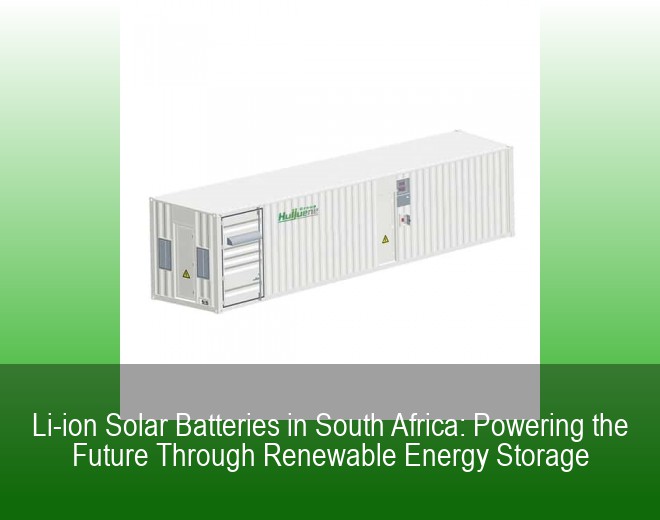
Li-ion Solar Batteries in South Africa: Powering the Future Through Renewable Energy Storage
You know, rolling blackouts have become a part of daily life here. But what if I told you Li-ion solar batteries are quietly rewriting South Africa's energy story? With 8.97 GW of solar capacity installed by October 2024 – 6.1 GW from private installations alone – the country's energy landscape is undergoing its most dramatic transformation since the coal era.
 Inquiry
 Online Chat