


Solar Systems, Batteries, and the Water Connection
Table of Contents
The Hidden Thirst of Renewable Energy
Did you know manufacturing a single lithium-ion solar system battery requires 500,000 liters of water? That's enough to fill an Olympic-sized swimming pool. As we're racing toward clean energy solutions, there's this sort of uncomfortable truth we've been ignoring - our water consumption patterns might be undermining the very sustainability we're trying to achieve.
Last month's UN Water Conference revealed a startling paradox: While global solar capacity grew 22% in 2023, water usage in battery production facilities increased 34%. It's not just about the blue panels on rooftops anymore - the real story's happening in the factories where black anodes get dunked in electrolyte baths.
The Lithium-Water Paradox
A Tesla Powerwall installation in drought-stricken Arizona. While the homeowner celebrates their energy independence, the manufacturing process consumed enough water to sustain 12 local families for a year. The math doesn't lie - our current battery tech might be trading one environmental crisis for another.
"We're basically transferring water stress from the energy sector to manufacturing," notes Dr. Elena Marquez, whose team at MIT recently published water footprint comparisons.
Why Black Matters in Solar Innovation
Walk through any solar farm and you'll notice something peculiar - those panels aren't blue anymore. The industry's shifted to black silicon cells not just for aesthetics, but because they absorb 98.5% of visible light compared to 92% in traditional models. But here's the kicker: This darker technology actually reduces water needs in panel cleaning by 40%.
Huijue Group's latest installation in the Gobi Desert demonstrates this beautifully. Their "Midnight Array" uses hydrophobic black surface coatings that repel sand and dust. Maintenance trucks that used to make weekly water runs now come monthly. It's kind of like how a lotus leaf stays clean - nature-inspired tech solving human-made problems.
Color Physics Meets Energy Storage
Wait, no - let's correct that. The darkness factor doesn't just apply to panels. New battery casing designs using black graphene composites show 30% better thermal regulation. This means less water needed for cooling systems in utility-scale storage setups. Who knew color choices could impact H2O conservation?
When Water Becomes a Battery's Best Friend
Now here's where things get counterintuitive. While we're trying to reduce water usage, some innovators are using water as an energy storage medium. Australia's Ocean Battery prototype stores solar power by pumping water into underwater bladders during the day, then releasing it through turbines at night. It's basically using the sea as a giant battery, with zero electrolyte chemicals involved.
| Technology | Energy Density | Water Usage |
|---|---|---|
| Lithium-Ion | 250 Wh/kg | 500 L/kWh |
| Saltwater Flow | 25 Wh/kg | 10 L/kWh |
| Pumped Hydro | 0.5 Wh/kg | Recirculated |
The numbers don't lie - we might need to rethink our obsession with density. As California's recent blackouts showed, sometimes longevity beats intensity. Water-based systems provided 18% of the state's emergency power during last month's heatwave, despite being "low-tech" solutions.
Fixing Tomorrow's Grid With Yesterday's Elements
So where does this leave us? The future's probably going to be a patchwork solution. Huijue's working on hybrid systems that combine black solar with water-neutral zinc-air batteries. Early tests show 60% less water usage than conventional setups while maintaining 94% efficiency.
But here's the human angle - I recently visited a Navajo Nation solar project using these very technologies. Clara Begay, the 62-year-old site manager, told me: "We're desert people. Every drop saved means more for our crops and kids." That hit different, you know? It's not just about kilowatt-hours anymore.
The Ripple Effect of Conscious Design
As we approach Q4 procurement cycles, major utilities are finally adding water metrics to their RFPs. Xcel Energy's latest tender specifies "maximum 100L water/kWh storage capacity" - a standard that would've been unthinkable three years ago. This shift creates opportunities for solar system designers who can balance multiple environmental factors.
Ultimately, the marriage between water management and energy storage might determine how green our green transition actually is. The solutions are out there - from smarter manufacturing to embracing natural elements like water and sunlight in their raw forms. It's not about reinventing the wheel, but rather, remembering that sometimes the wheel was perfect all along.
Related Contents
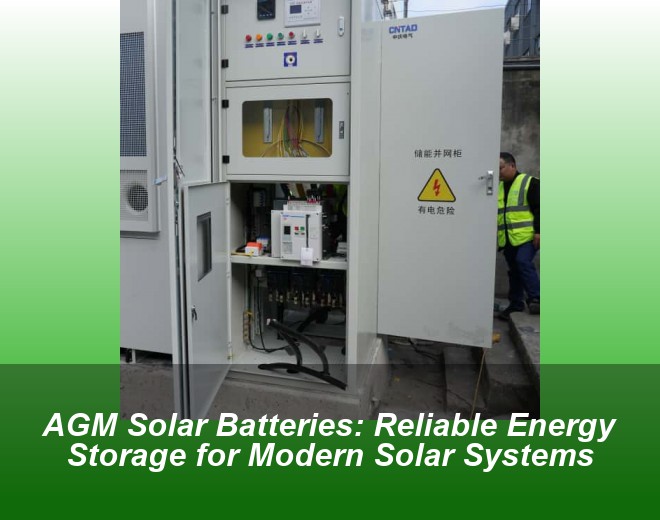
AGM Solar Batteries: Reliable Energy Storage for Modern Solar Systems
Ever wondered why off-grid solar installations in harsh environments still rely on AGM (Absorbent Glass Mat) technology after 40 years? The answer lies in their unique balance of durability and efficiency. Unlike flooded lead-acid batteries that require monthly maintenance, AGM's sealed design prevents acid spills - a game-changer for rooftop solar installations.
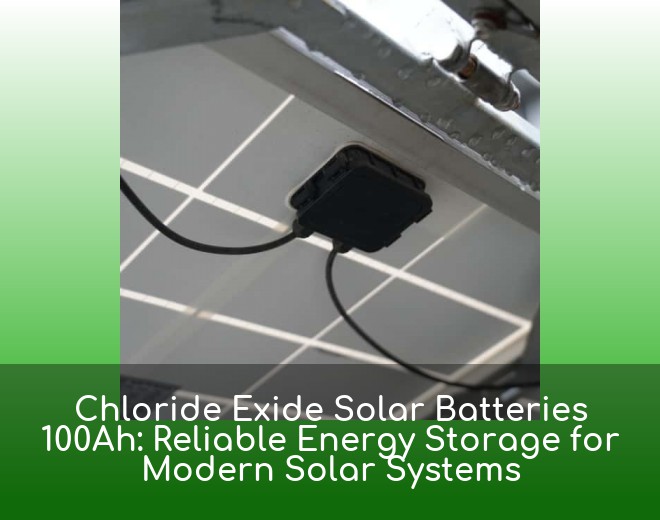
Chloride Exide Solar Batteries 100Ah: Reliable Energy Storage for Modern Solar Systems
Ever wondered why some solar installations outperform others by 30-40% annually? The secret often lies in their energy storage backbone. As global solar capacity surges past 1.6 terawatts this year, the real challenge isn't generating power - it's storing it effectively when clouds roll in or the sun dips below the horizon.
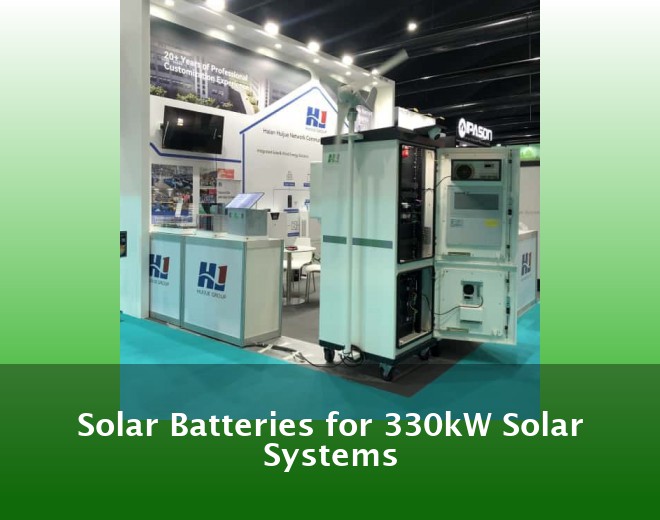
Solar Batteries for 330kW Solar Systems
You've probably heard the sales pitch: "A 330kW solar panel system can power 50 homes!" But here's the kicker - what happens when the sun clocks out? Last month, a California dairy farm learned this the hard way when their $500k solar setup went dark during peak milking hours. Turns out, panels without proper storage are like sports cars without tires - impressive specs but nowhere to go.
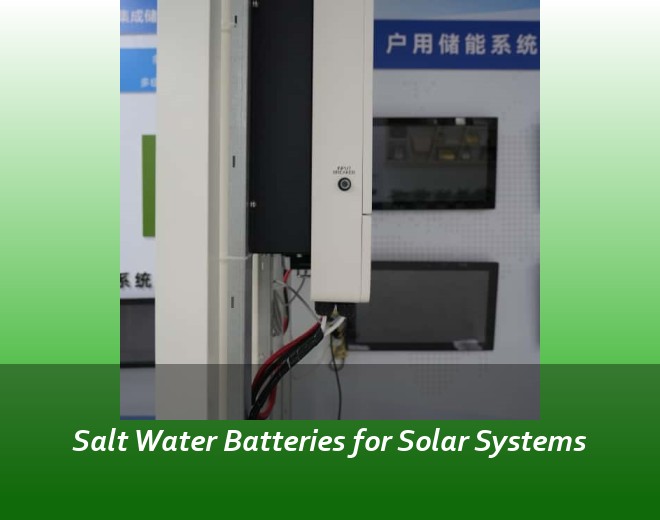
Salt Water Batteries for Solar Systems
Let’s face it – most solar systems still rely on lithium-ion batteries that make environmentalists cringe. Last month alone, California reported 12,000 spent lithium batteries awaiting recycling, many leaching toxic chemicals into soil. Saltwater batteries offer a startling alternative: non-toxic, fully recyclable storage using sodium ions suspended in saltwater solution.
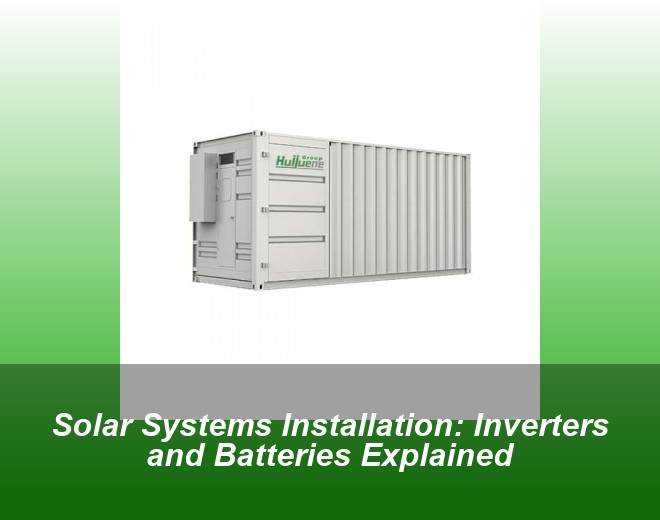
Solar Systems Installation: Inverters and Batteries Explained
Let's cut to the chase - solar inverters and battery storage systems make or break your renewable energy setup. While solar panels grab the spotlight, these unsung heroes determine whether you'll enjoy reliable power or face constant headaches.
 Inquiry
 Online Chat