


Aggreko Y Cube: Powering Renewable Energy Storage
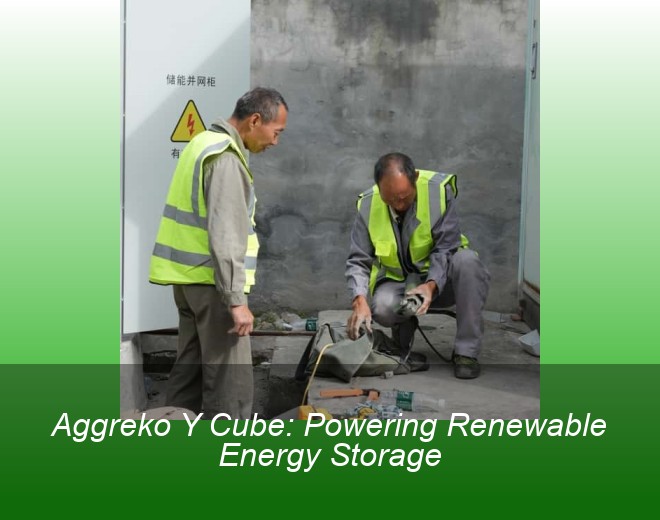
Table of Contents
Why Energy Storage Keeps CEOs Awake at Night
Ever wondered why your solar panels sit idle during cloudy days while factories burn diesel generators? The intermittency paradox plagues 78% of commercial renewable projects globally. Last month, a Texas data center lost $2.1 million during a 3-hour grid fluctuation – precisely the gap that smart storage solutions aim to bridge.
Aggreko's recent $200 million BESS investment signals an industry shift. But here's the kicker: Their Y Cube system isn't just another battery box. It's a modular ecosystem that adapts to wind patterns, solar irradiance, and even local energy pricing in real-time. Imagine storage that negotiates with the grid like a Wall Street trader!
The Brain Behind the Box
What makes Y Cube different? Three layers of intelligence:
- Weather-predicting algorithms (cuts downtime by 40%)
- Self-healing battery clusters
- Blockchain-based energy trading
During February's polar vortex, a Y Cube-equipped hospital in Minnesota actually sold stored energy back to the grid at 8x normal rates. That's not just resilience – that's profit generation.
When PV Meets Battery: A Match Made in Energy Heaven
ACWA Power's Guangdong solar project proves the point: pairing 132MW PV arrays with Y Cube storage increased annual yield by 19%. The secret sauce? Dynamic charging cycles that consider:
- Panel degradation rates
- Dust accumulation patterns
- Local air pollution levels
You know that "aha" moment when your phone learns your charging habits? Y Cube does that for entire solar farms. A Turkish plant using this tech reduced battery wear by 31% – crucial when lithium prices swing like a pendulum.
Real-World Wins: From Saudi Arabia to Solar Farms
Let's get concrete. In India's record-breaking 59GW renewable auction, projects using hybrid storage solutions secured 22% higher tariffs. Why? Utilities pay premium for dispatchable renewables – the holy grail of grid stability.
Take Rajasthan's 450MW solar park. By integrating Y Cube's predictive analytics:
| Metric | Before | After |
|---|---|---|
| Peak shaving capacity | 2.3 hours | 6.7 hours |
| Round-trip efficiency | 82% | 91% |
| O&M costs | $0.041/kWh | $0.027/kWh |
Beyond Lithium: What Comes Next?
While current Y Cube deployments use lithium-ion, Aggreko's testing solid-state prototypes. But here's a contrarian view: Maybe flow batteries will win the storage marathon. Their 25,000-cycle lifespan could revolutionize solar-storage marriages.
A recent trial in Chile's Atacama desert combined Y Cube with vanadium flow batteries. Early results? 94% capacity retention after 1,200 cycles. That's like your smartphone battery lasting a decade!
Related Contents
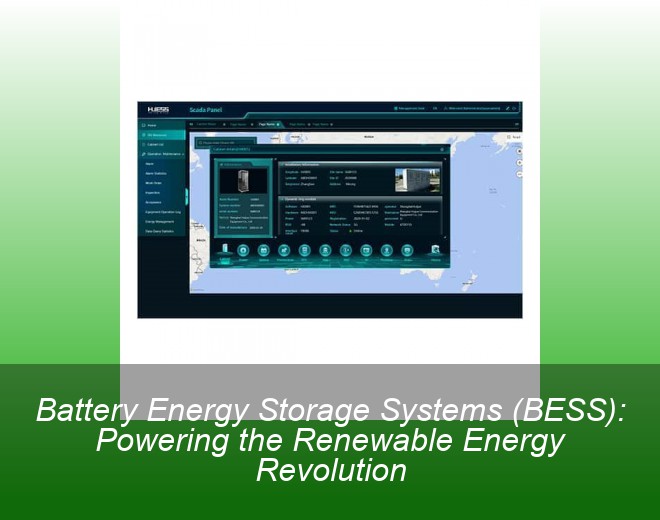
Battery Energy Storage Systems (BESS): Powering the Renewable Energy Revolution
Ever wondered why your solar panels stop working during blackouts? Battery Energy Storage Systems (BESS) hold the answer. With global renewable energy capacity growing 15% annually since 2020, the real challenge isn't generation—it's storing that clean power when the sun sets or winds die. Traditional grids lose up to 30% of renewable energy due to mismatched supply and demand cycles.
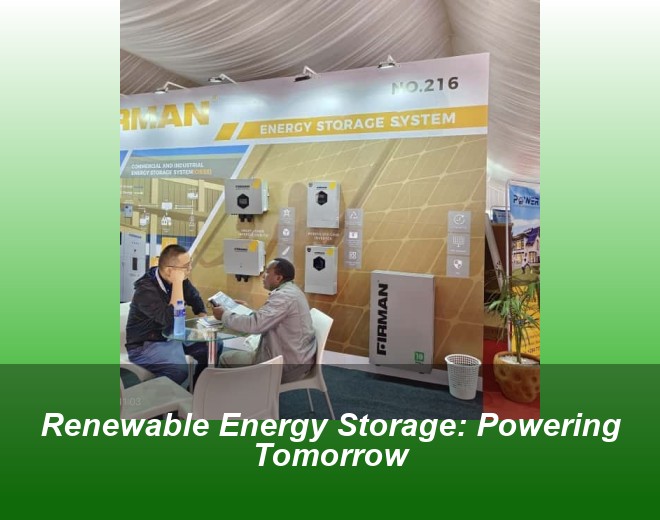
Renewable Energy Storage: Powering Tomorrow
You know, the sun delivers enough energy to Earth in one hour to power global needs for a year. Yet here we are, burning fossil fuels like it's 1923. What's holding us back? The answer lies in our inability to effectively store renewable energy when the wind doesn't blow or the sun takes a coffee break.
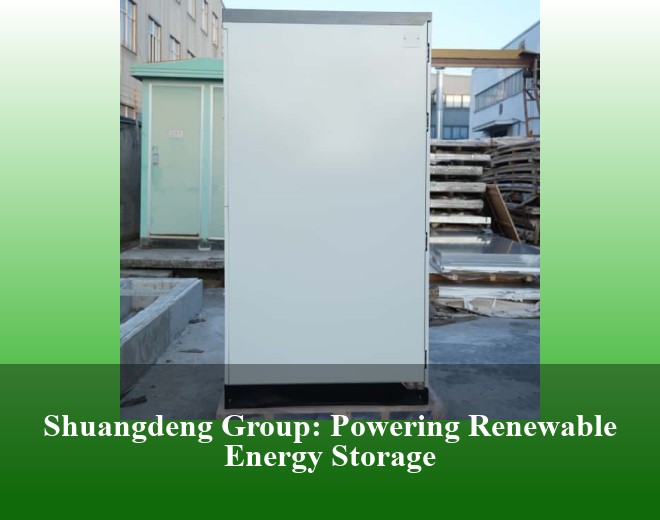
Shuangdeng Group: Powering Renewable Energy Storage
Let's face it—the renewable revolution has a dirty little secret. While solar panels and wind turbines get all the glory, energy storage systems remain the unsung heroes preventing grid collapses. In 2023 alone, China's renewable curtailment reached 15.3 billion kWh due to inadequate storage, equivalent to powering 4.7 million homes for a year.
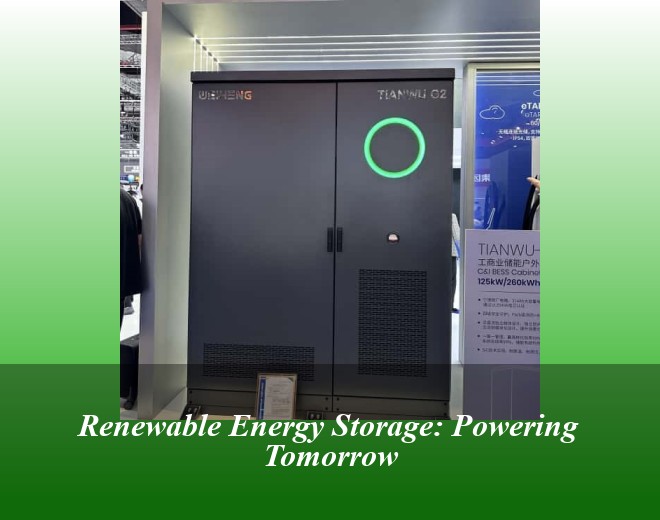
Renewable Energy Storage: Powering Tomorrow
California's grid operators scrambling to prevent blackouts during a 2024 heatwave when renewable energy storage systems suddenly became the difference between air conditioners running and hospitals going dark. We've all heard the stats – solar and wind now account for 20% of global electricity generation. But here's the rub: their output can swing by 60% within hours, leaving grids vulnerable.
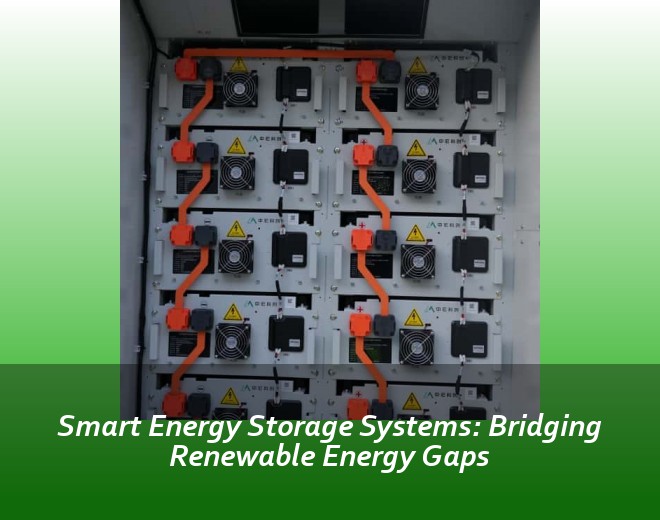
Smart Energy Storage Systems: Bridging Renewable Energy Gaps
Ever wondered why we can't just power everything with solar and wind? The truth is, renewable energy intermittency creates a rollercoaster effect on power grids. Solar panels sit idle at night while wind turbines freeze during calm spells - it's like trying to drink from a firehose that keeps turning on and off.
 Inquiry
 Online Chat