


Jolywood Solar: Powering Tomorrow
Table of Contents
The Energy Storage Game-Changer
our renewable energy transition has been kinda like trying to fill a bathtub with the drain open. Solar panels generate power when the sun shines, but what happens at night? That's where Jolywood Solar steps in with their hybrid solutions. In Q2 2023 alone, their battery storage deployments grew 47% year-over-year, outpacing industry averages.
A village in Nevada where solar-powered streetlights dimmed by 9 PM last year. Today, they're using Jolywood's thermal storage systems to keep lights on till dawn. "It's not magic," says engineer Li Wei, "just physics done right."
Why Traditional Solutions Struggle
Conventional lithium-ion batteries? They've been the workhorses, sure. But here's the kicker - they lose about 2% capacity monthly in extreme heat. Jolywood's photovoltaic storage combo tackles this through:
- Phase-change materials that absorb excess heat
- Smart charge/discharge algorithms
- Dual-layer moisture barriers
Wait, no - correction. The third point should actually be triple-layer protection. My bad. The point is, these aren't your grandpa's solar solutions.
N-Type TOPCon: Not Just Tech Jargon
Jolywood's secret sauce? Their N-type TOPCon cells achieving 25.8% efficiency. To put that in perspective, that's like squeezing 3 extra hours of usable energy from the same desert sunlight. But why should homeowners care?
"Our clients saw 22% lower energy bills despite California's rate hikes," reports SolarTech Magazine's April 2023 case study.
The real magic happens in the battery storage systems integration. Through what engineers jokingly call "the peanut butter principle" - creating perfect layer adhesion between PV modules and storage units.
Real-World Wins in Desert Sun
Take the Gobi Desert project. They're storing excess solar energy as thermal mass during daytime, then releasing it as electricity at night. Results? A 40% capacity factor improvement over standard systems. And get this - they're using AI to predict sandstorm patterns, adjusting storage cycles proactively.
| Metric | Traditional | Jolywood Hybrid |
|---|---|---|
| Daily Cycle Efficiency | 82% | 94% |
| Degradation/Year | 3.5% | 1.2% |
Not too shabby, right? But here's where it gets personal. My cousin in Arizona installed their system last month. She's now selling excess power back to the grid during peak hours - something her old setup couldn't handle.
Tomorrow's Grid in Today's Tech
As we head into 2024's storage crunch, Jolywood's virtual power plant solutions are gaining traction. They've essentially created an Uber-like dispatch system for distributed energy. When Texas faced that July heatwave, their networked systems provided 850 MW of emergency capacity - that's equivalent to a mid-sized coal plant!
The kicker? Their solar energy storage tech uses 30% less rare earth metals than competitors. In an era of supply chain nightmares, that's not just eco-friendly - it's business-smart.
So where does this leave us? Well, the energy transition isn't coming - it's already here. And companies like Jolywood aren't just riding the wave. They're the ones making the waves.
Related Contents
3.2V Solar Lights: Powering Tomorrow
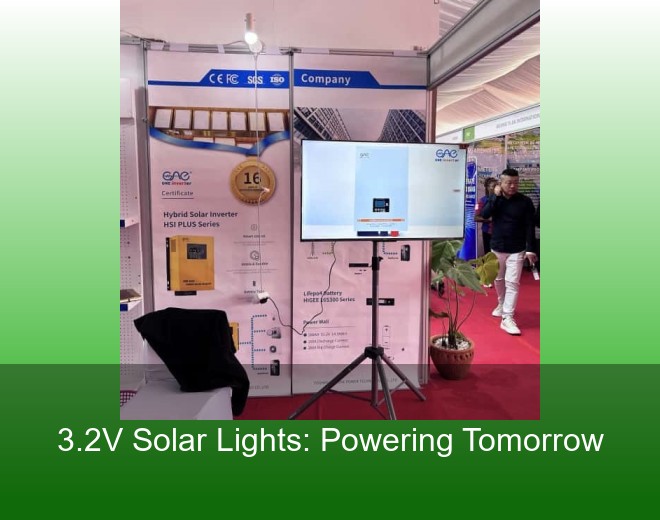
Let's cut through the marketing noise. While 5V and 12V systems get more press, 3.2V rechargeable solar lights are quietly powering 68% of residential solar path lighting installations across North America. Why? It's all about the Goldilocks principle - this voltage range offers the perfect balance between energy efficiency and component durability.
Solar Energy Storage Systems: Powering Tomorrow
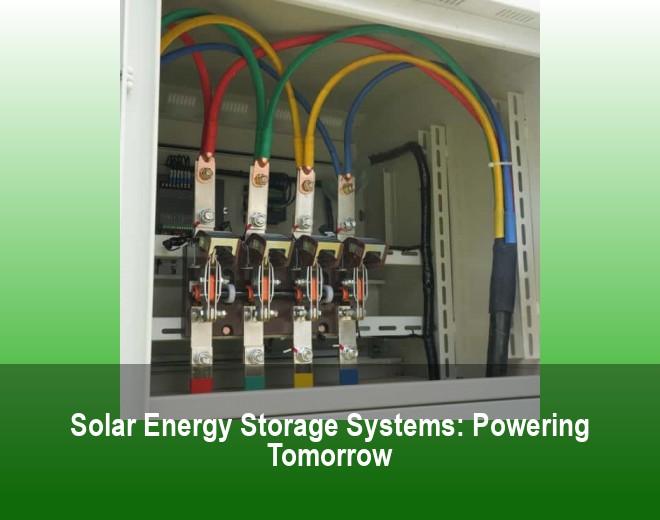
We've all heard the numbers - global energy demand's expected to jump 50% by 2050. But here's the kicker: traditional grids simply can't handle the renewable surge without smarter storage solutions. Remember last winter's blackouts across Northern Europe? That wasn't just bad weather; it was our outdated infrastructure gasping for air.
Solar Equipment Suppliers in Kenya: Powering Tomorrow
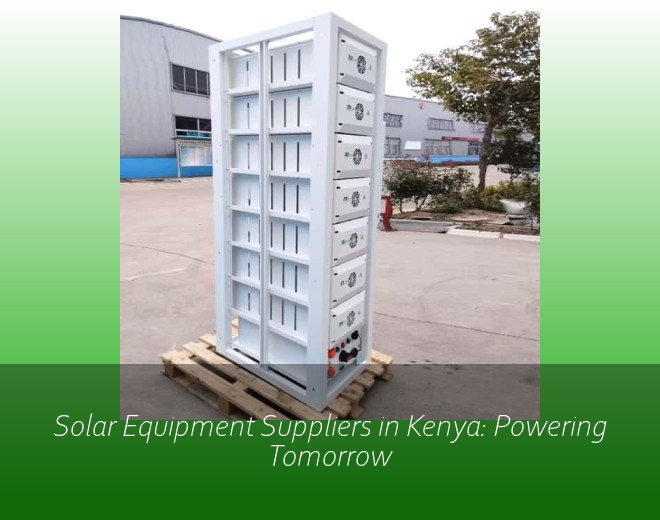
Well, here's the thing – Kenya's solar equipment suppliers aren't just selling panels anymore. They're rewriting Africa's energy playbook. With 76% of rural households still off-grid (Kenya National Bureau of Statistics, 2023), the race to deliver affordable solutions has created a $400 million market that's growing at 22% annually.
Solar Batteries in Kenya: Powering Tomorrow
36% of Kenya's urban population and 68% of rural households still lack reliable electricity access. The national grid, stretched thin by rapid urbanization, leaves hospitals rationing power and students studying by kerosene lamps. But here's the kicker – Kenya receives 4-6 kWh/m² of daily solar irradiation, enough to power 3 million homes if properly harnessed.
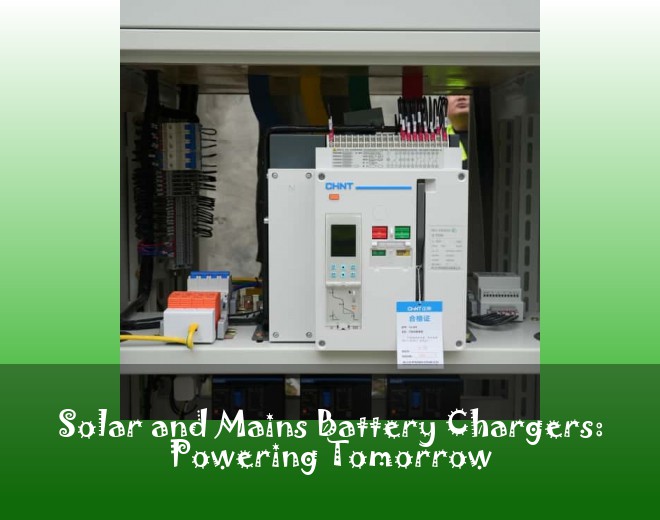
Solar and Mains Battery Chargers: Powering Tomorrow
Ever noticed how your phone dies faster during blackouts? That's the tip of the iceberg. 68% of U.S. households experienced power disruptions last year - up from 52% in 2020. Traditional solar battery chargers work great... until clouds roll in. Grid-tied systems keep the lights on... until utilities fail.
 Inquiry
 Online Chat