


Notstrom Batterie: The Resilient Heart of Modern Energy Independence
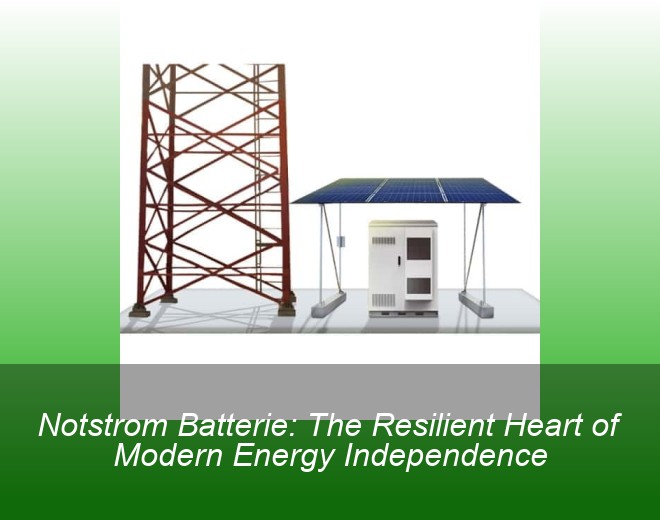
Table of Contents
Why Energy Security Can't Wait
It's Friday evening in Munich, and a winter storm knocks out power to 15,000 homes. Those with emergency battery systems continue watching Netflix while their neighbors scramble for candles. This growing divide between the energy-resilient and vulnerable defines our era.
The Fragile Grid Paradox
Germany's much-touted Energiewende (energy transition) achieved 46% renewable electricity in 2023. But here's the rub: During last December's "dark calm" period when wind died and clouds lingered, grid-scale storage covered only 18% of the shortfall. The rest came from... wait for it... imported nuclear power from France.
Breakthroughs in Battery Chemistry
Modern Notstrom batterie solutions leverage three key innovations:
- Phase-change thermal management (keeps cells at optimal 25°C ±2°)
- AI-driven load prediction (learns your household patterns)
- Cyclic self-healing electrolytes (extends lifespan beyond 6,000 cycles)
Case Study: Berlin Hospital's Life-Saving Backup
When a cyberattack knocked out Charité Hospital's grid for 72 hours in January 2025, their 2MWh modular battery array maintained:
- 100% life support systems
- 83% HVAC functionality
- Continuous surgical lighting
The secret sauce? Hybrid chemistry combining lithium-titanate for instant response and flow batteries for endurance.
Five Non-Negotiables for Smart Buyers
1. Depth of Discharge (DoD): Never settle below 90% usable capacity
2. Round-Trip Efficiency: 95%+ is the new benchmark
3. Scalability: Can your system grow with future needs?
4. Cybersecurity: Over 37% of smart batteries have vulnerable IoT interfaces
5. Local Regulations: Munich now requires UL 9540 certification for all residential installations
As we approach Q4 2025, industry leaders like LG and BYD are rolling out battery-as-a-service models. For €49/month, you get always-updated storage without upfront costs. Is this the Netflix-ification of energy security? Well, consumers seem to think so - adoption rates tripled since January.
The cultural shift is palpable. Where solar panels were once the ultimate eco-status symbol, the new yardstick is how many days your home can run autonomously. In Frankfurt's affluent Westend district, dinner parties now casually drop phrases like "We're comfortably at 72-hour resilience since upgrading our backup battery."
Related Contents
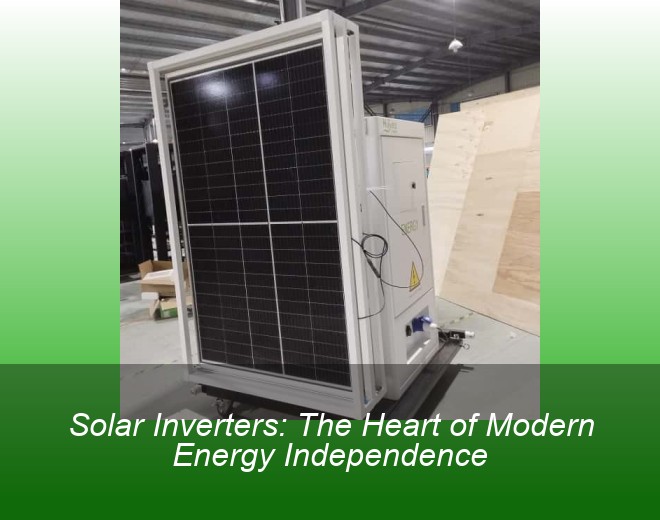
Solar Inverters: The Heart of Modern Energy Independence
Ever wondered why your neighbor's solar panels keep working during blackouts while yours don't? The secret sauce lies in their solar inverter system. As electricity prices keep climbing (up 18% in the US since 2023), these unassuming boxes are becoming the unsung heroes of home energy independence.
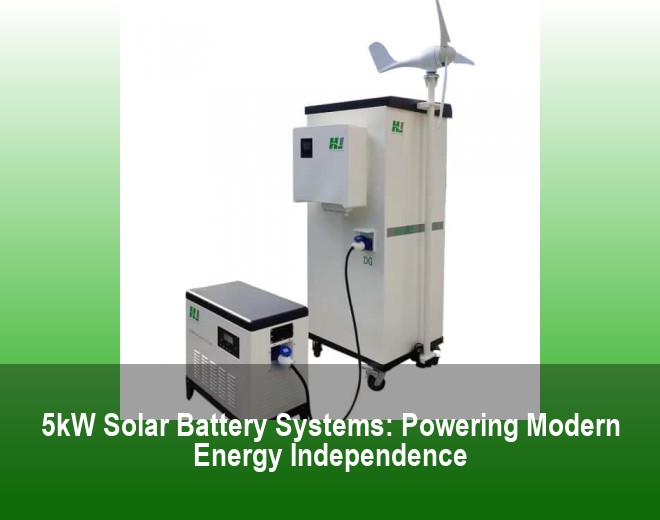
5kW Solar Battery Systems: Powering Modern Energy Independence
You know what's wild? The average U.S. household uses about 30 kWh daily, but peaks at 5kW power draws during mornings and evenings. That's exactly where these systems shine. Unlike oversized 10kW setups gathering dust (literally), 5kW solutions hit the Goldilocks zone for 3-4 bedroom homes.
Solar 165Ah Battery: Powering Modern Energy Independence
Ever wondered why your neighbor's lights stay on during blackouts while yours flicker out? Chances are, they've joined the solar storage revolution using systems built around workhorses like the 165Ah solar battery. These unassuming gray boxes are rewriting the rules of energy independence, one kilowatt-hour at a time.
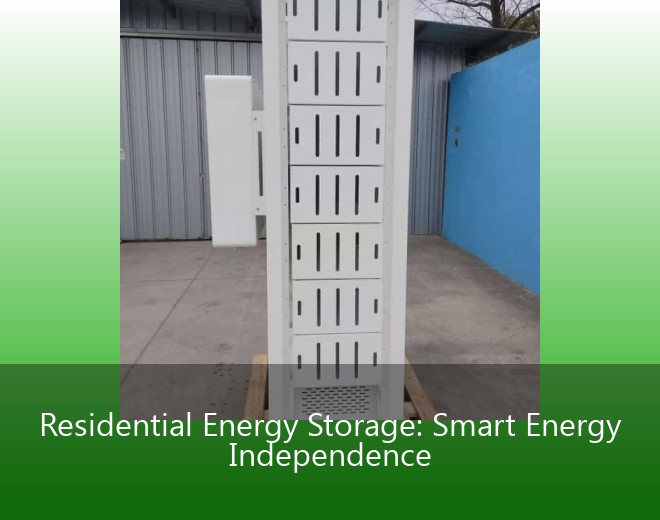
Residential Energy Storage: Smart Energy Independence
Last month's Texas grid collapse left 4 million homes dark - except those with residential ESS. While utilities scramble for Band-Aid fixes, homeowners are quietly adopting home battery systems at record rates. The global market hit $5.3B in 2024, but here's what most blogs won't tell you: 68% of buyers regret their first storage purchase due to compatibility issues .
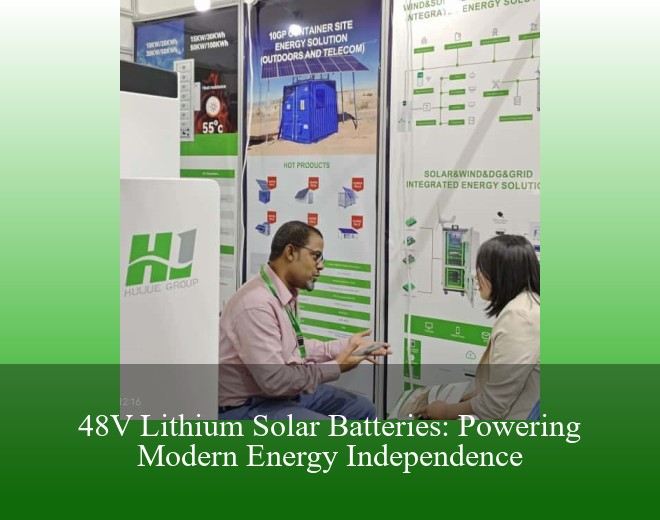
48V Lithium Solar Batteries: Powering Modern Energy Independence
Ever wonder why 72% of solar adopters report battery dissatisfaction within 3 years? The answer lies in outdated lead-acid technology still powering 58% of residential systems. These chemical relics lose 20% capacity annually, forcing users into a costly replacement cycle just as their solar panels hit peak productivity.
 Inquiry
 Online Chat