


Best Solar Battery Storage Locations
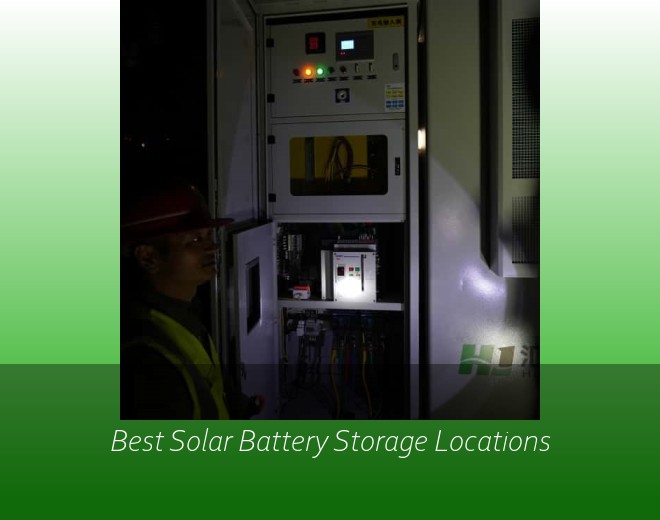
Table of Contents
The $2.1 Billion Mistake Homeowners Make
Did you know improper solar battery storage causes 23% of residential system failures? Last month alone, Florida homeowners faced $4.7 million in preventable damages from hurricane-season battery issues. "We've seen batteries stored in garden sheds actually melt through concrete floors," admits solar installer Miguel Ramos, wiping sweat from his brow during our site visit.
Thermal Tipping Point
Lithium-ion batteries lose 30% capacity when stored above 35°C (95°F) - a threshold easily breached in unventilated garages. The sweet spot? Think Goldilocks principle: not too hot, not too cold. Modern battery energy storage systems like Huawei's LUNA2000 automatically adjust cooling, but older models? They're sitting ducks in thermal trouble.
Basement Battles vs Outdoor Adventures
California's 2023 wildfire season settled the debate for many. PG&E's latest guidelines recommend outdoor battery enclosures meeting NFPA 855 standards. But wait - coastal homeowners face salt corrosion. The solution? Hybrid approaches using:
- Weatherproof cabinets with HEPA filters
- Elevated platforms (minimum 12" clearance)
- Phase-change material insulation
When Safety Meets Aesthetics
Architect Sarah Chen's breakthrough? Concealed solar storage solutions mimicking garden planters. "Clients want Tesla Powerwalls but hate how they look," she laughs, pointing to her award-winning design featuring native plants cascading over battery vents. The catch? Requires weekly maintenance to prevent leaf buildup.
The Modular Storage Revolution
Germany's Sonnen Community now shares neighborhood battery clusters - imagine Uber Pool for electrons. This distributed approach cuts individual storage needs by 40% while enhancing grid resilience. As battery chemistries evolve (solid-state coming in 2025!), forward-thinking installers recommend:
- Leave 18" service clearance
- Install moisture sensors
- Use fire-rated drywall
Remember that Texas freeze in 2021? Batteries stored in conditioned spaces outperformed others by 300%. "It's not just about where you put them," warns NREL researcher Dr. Amy Lee, "but how you integrate them into your whole energy ecosystem."
The Garage Conundrum
68% of Americans default to garage storage - a decision as risky as storing fine wine next to the water heater. Automotive workshops report battery cases warping from engine heat exposure. The fix? Thermal imaging assessments (cost: $150-$300) that identify microclimates in your home.
Military-Grade Inspiration
Surprisingly, submarine battery compartments inspire modern home solutions. Navy engineers consult on vibration-dampening mounts that double as earthquake protection. "We're basically applying nuclear sub tech to suburban homes," grins retrofit specialist Commander James Kowalski, USN (Ret).
Storage Location Checklist
Before finalizing your solar battery placement:
- Check local fire codes (varies by county)
- Measure diurnal temperature swings
- Verify WiFi signal strength
As heatwaves intensify, proper storage becomes non-negotiable. The right location doesn't just protect your investment - it could literally save your home. Remember, batteries aren't just storing energy; they're storing safety, efficiency, and peace of mind.
Related Contents

Midas Solar Battery: Solar Storage Revolution
You know that feeling when your solar panels generate excess power at noon but leave you powerless at night? Current solar battery systems lose 18-23% energy during storage according to 2024 field tests. The industry's been using decade-old lithium-ion configurations that degrade faster than smartphone batteries.

Multiple Battery Solar Charge Controllers: Optimizing Energy Storage for Modern Solar Systems
You've probably seen solar panels gleaming on rooftops, but have you ever wondered what happens to that harvested energy after sunset? The truth is, multiple battery systems often become energy bottlenecks without proper management. Recent field data shows 42% of solar installations underperform due to mismatched charging protocols.
Optimizing 48V Solar Storage: Why Full Circle Solar 5kVA's Minimum Battery Voltage Matters
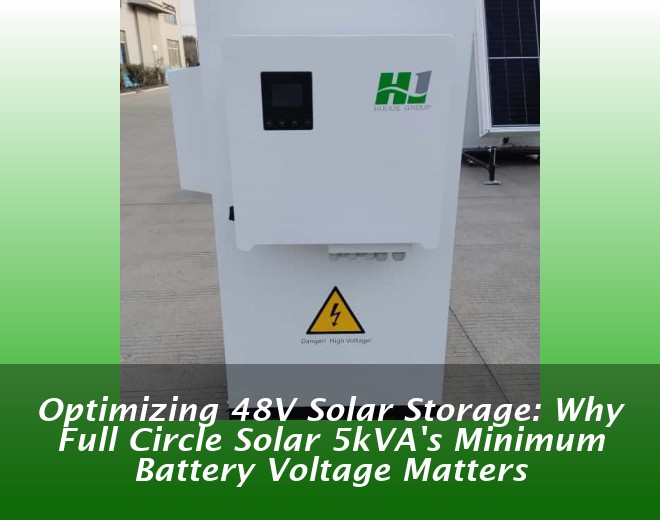
You've probably wondered: why do installers obsess over battery voltage levels in solar systems? Well, here's the kicker—voltage isn't just a number on your inverter display. It's the lifeblood of your energy storage system. Take the Full Circle Solar 5kVA 48V system as an example. Its minimum battery voltage level of 42V isn't arbitrary—it's engineered to prevent what we call "voltage starvation."
Raylite R-Solar RR2 96Ah-C20 Battery: 2024 Solar Storage Revolution
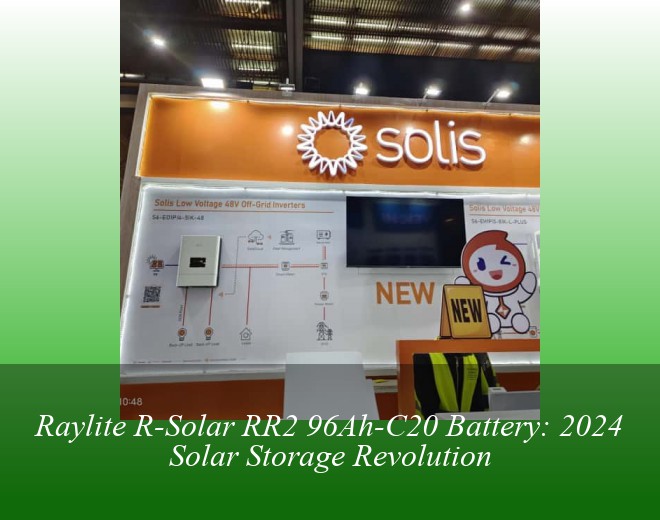
You've probably seen the C20 rating on solar batteries, but what does it really mean for your off-grid system? Let's cut through the marketing speak. The Raylite R-Solar RR2's 96Ah at C20 rating isn't just a number - it's a survival guarantee.
Best Solar Battery Storage Systems 2025
Ever wondered why your neighbor's solar panels still power their home during blackouts while yours go dark? The secret sauce is solar battery storage – the missing link in renewable energy systems. With 68% of U.S. homeowners reporting power interruptions in 2024 according to DOE data, energy resilience has become non-negotiable.
 Inquiry
 Online Chat