


Solar Power in House: Future-Proof Energy

Table of Contents
Why Every Homeowner Should Consider Solar Power in 2024
Let’s face it – electricity bills aren’t getting any cheaper. With traditional energy prices jumping 12% year-over-year according to recent utility reports, homeowners are searching for alternatives that actually make sense. Solar energy systems have moved from being eco-friendly novelties to serious financial tools. But how exactly does sunlight translate to dollar savings?
Take the Johnson family in Arizona. After installing a 6kW system last March, they’ve completely eliminated their $280/month electricity bill. What’s more surprising? Their system’s producing 15% surplus energy that’s earning them credits through net metering. Stories like this aren’t exceptions anymore – they’re becoming the new normal in solar adoption.
The Nuts and Bolts of Home PV Systems
A typical residential setup isn’t just about slapping panels on the roof. Modern systems involve three key components:
- Photovoltaic panels (obviously)
- Smart inverters that optimize energy conversion
- Either grid-tie equipment or battery storage
Wait, no – that’s oversimplifying. Actually, the real magic happens in system design. A south-facing roof in Maine might outperform a west-facing one in California if tilt angles and shading factors are properly calculated. This precision engineering is why professional installation matters more than ever.
Crunching the Numbers: Solar Investment Payback
Upfront costs still scare many homeowners, but let’s break it down. The average 8kW residential system costs $24,000 before incentives. With the renewed 30% federal tax credit (thanks to 2023’s Inflation Reduction Act extensions), that drops to $16,800. Most utility companies now offer 10-year financing at 5-7% interest.
Here’s where it gets interesting. Over 25 years (a system’s typical lifespan), you’re looking at $62,000 in electricity bill savings for a mid-sized home. Even after financing costs, that’s a net gain of $38,400. Not bad for what’s essentially a home improvement project.
When the Sun Sets: Energy Storage Comes Alive
Batteries used to be the luxury add-on, but 2024’s seeing a shift. With new lithium-iron-phosphate (LFP) technology, storage costs have plunged 40% since 2021. A typical 10kWh home battery now retails at $9,000 installed – enough to power essential appliances through blackouts.
Your solar panels charge the batteries by day. At night, you’re drawing from stored energy instead of the grid. During California’s recent PSPS outages, homes with solar-plus-storage systems kept lights on while neighbors scrambled for generators.
More Than Panels: The New American Energy Mindset
There’s a cultural revolution happening in suburbs nationwide. Solar installations are becoming neighborhood status symbols – the 21st-century equivalent of white picket fences. In Texas, solar-powered homes sell 20% faster than conventional ones. Millennials and Gen Z buyers specifically request homes with existing solar infrastructure.
But it’s not just about being trendy. After last winter’s grid failures in the Midwest, families value energy security. As one homeowner put it: “Knowing my kid’s medical equipment won’t fail during storms? That’s priceless.”
Installation Realities: What They Don’t Tell You
Permitting timelines vary wildly – from 2 weeks in Florida to 6 months in some New England towns. Roof condition matters more than you’d think; composite shingles handle arrays better than clay tiles. And here’s a pro tip: Schedule installations during off-peak seasons (late fall to early spring) for faster service and potential discounts.
The solar revolution isn’t coming – it’s already here. With technology advancing and costs declining faster than anyone predicted, residential solar has shifted from “nice-to-have” to “why didn’t I do this sooner?” Whether motivated by finances, resilience, or environmental concerns, homeowners are finding their reasons to make the switch. The question isn’t “Should I go solar?” but “When’s the best time to start?” And honestly? That time might be now.
Related Contents
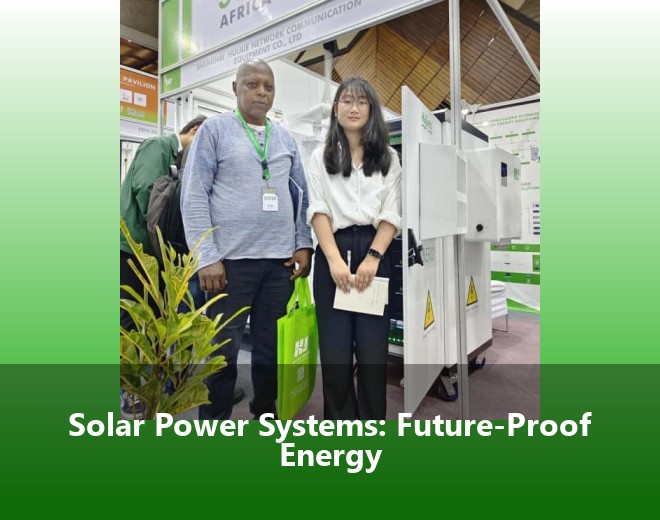
Solar Power Systems: Future-Proof Energy
Ever wondered why your neighbor’s electricity bill dropped 60% last summer? Spoiler: it wasn’t magic—it was solar power. With global energy prices swinging like a pendulum (natural gas jumped 34% in Q1 2024 alone), homes and businesses are getting serious about energy independence.
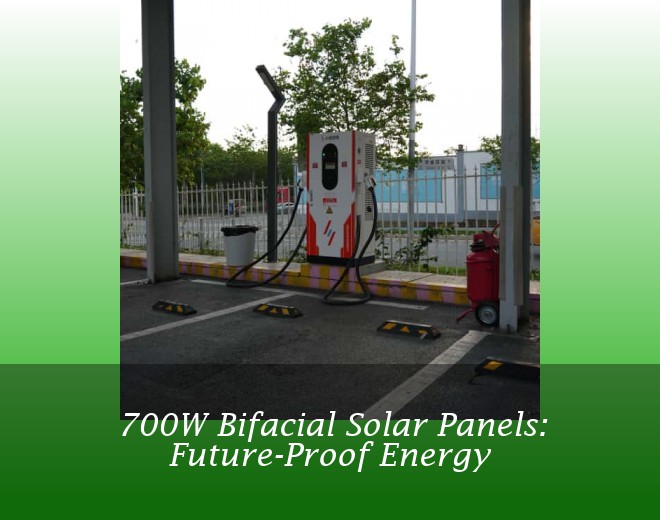
700W Bifacial Solar Panels: Future-Proof Energy
You know how regular solar panels leave you guessing about their backside potential? Well, bifacial solar technology is basically turning that "wasted space" into pure energy gold. Recent field tests in Arizona showed 41% higher yields compared to monofacial panels - and that's not even using the latest 700W models!
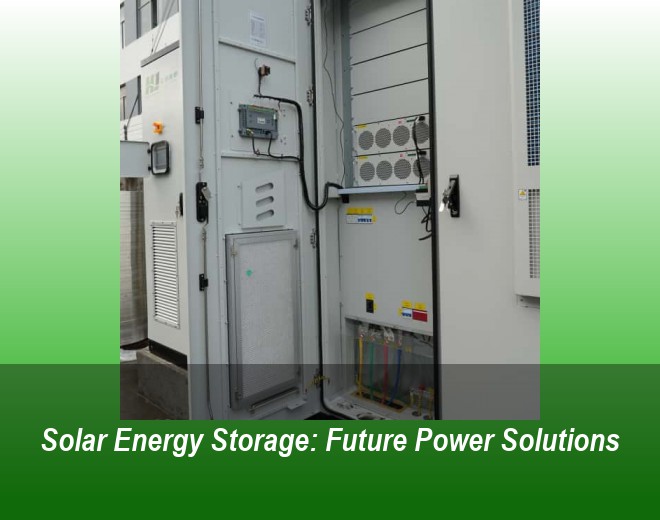
Solar Energy Storage: Future Power Solutions
Ever wondered why your neighbor installed those sleek solar panels with a bulky battery unit? The global solar energy storage market is projected to grow by 23% annually through 2030, driven by unpredictable energy costs and climate commitments. Just last month, Texas faced another grid collapse during a heatwave – the kind of crisis that makes homeowners ask: "Could solar battery storage have kept my AC running?"
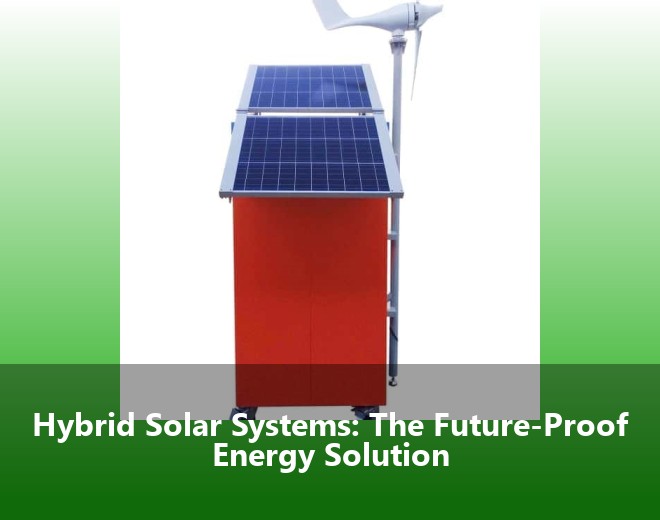
Hybrid Solar Systems: The Future-Proof Energy Solution
You know how traditional solar setups either feed power back to the grid or operate in isolation? Well, hybrid systems throw that binary choice out the window. By integrating battery storage with grid connectivity, they sort of create an energy safety net that's transforming how we think about renewable power.
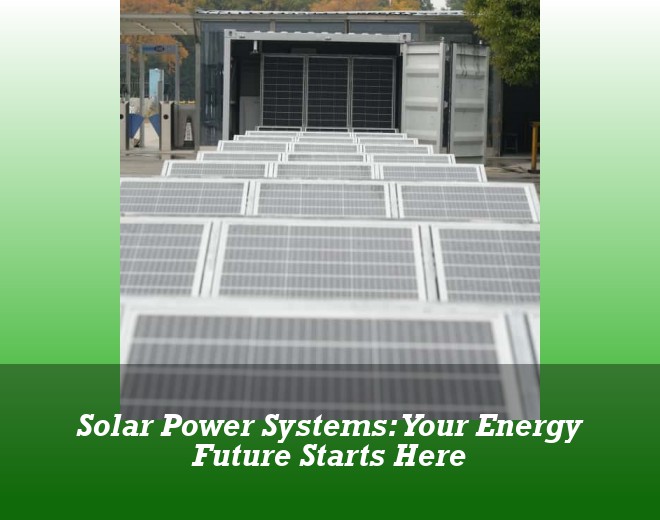
Solar Power Systems: Your Energy Future Starts Here
You know what's fascinating? Over 2.7 million American homes have already adopted grid-tied solar systems, making them the most popular choice nationwide. These systems connect directly to utility grids, acting like a sort of energy partnership between homeowners and power companies.
 Inquiry
 Online Chat