


Energy Storage in Europe: Key Players and Market Shifts
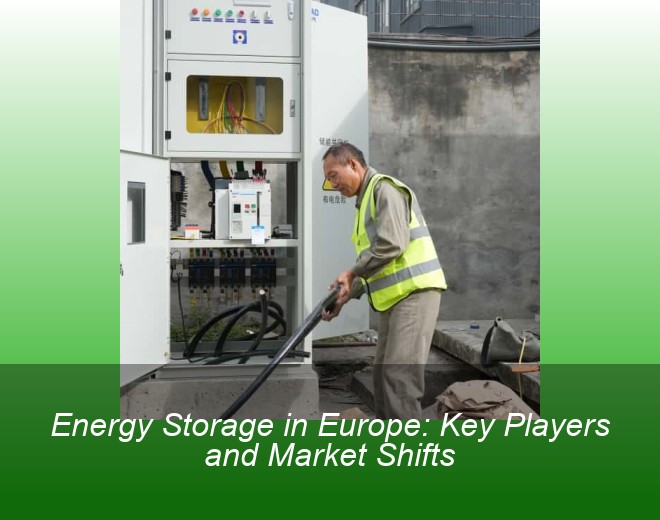
Table of Contents
Europe's Storage Surge: What's Fueling It?
The European energy storage market grew 47% year-over-year in 2024, with Germany alone installing 5GWh of residential systems in H1 - equivalent to powering 400,000 homes during winter blackouts. But what's driving this surge, and who's leading the charge?
Three factors collide: skyrocketing renewable penetration (now at 42% EU-wide), falling battery costs ($98/kWh in 2024 vs. $140 in 2022), and crucially - policy tailwinds. Germany's "Solar Package" removed 83% of balcony installation red tape, triggering 210,000 plug-and-play systems in Q3 alone. Meanwhile, Italy's MACSE auctions guarantee 17-year revenue streams for grid-scale projects.
Market Leaders: From Tesla to Emerging Champions
While Tesla's Powerwall dominates mindshare, Chinese firms now control 64% of Europe's residential storage market. BYD's Batterybox series alone claimed 30% market share through H1 2024, leveraging China's battery production dominance. But here's the twist - European utilities fight back with "localization premiums". Sonnen's German-made systems cost 22% more than Chinese equivalents but tout 15-year performance guarantees.
- Tier 1 Players: Tesla, Sonnen, BYD
- Rising Stars: Giga Storage (Netherlands), Neoen (France)
- Tech Disruptors: Energy Dome (CO2 storage), KOSTAL (AI-driven systems)
How EU Regulations Shape Storage Economics
Brussels' REPowerEU mandates 45% renewable integration by 2030 - impossible without large-scale battery storage. This triggered a project pipeline explosion: 230GWh planned in Germany alone. But wait, there's a catch. Belgium's new grid fee structure slashed storage ROI by 18% for systems above 50MW.
Let's crunch numbers. The 600MW/2400MWh Giga Green Turtle project in Belgium - Europe's largest approved storage facility - needs €588 million funding. Its secret weapon? Co-location with Elia's substation cuts transmission costs by 40%. But similar projects in Bavaria face €140,000/MW connection fees - enough to kill marginal deals.
Battery vs. CO2: The Tech Arms Race
While lithium-ion dominates, 2024 saw breakthrough alternatives. Italy's Energy Dome achieved 54% round-trip efficiency with CO2 storage - lower than batteries but offering 10-hour discharge cycles. Their Sardinia pilot (20MW/200MWh) uses repurposed gas infrastructure, cutting capex by 30% vs. new battery farms.
Chinese manufacturers counter with hybrid systems. Anker's SOLIX X1 combines LiFePO4 batteries with supercapacitors, achieving 15ms response times - crucial for grid frequency regulation. "It's like having a sprinter and marathon runner in one body," explains Anker's EU CTO during Munich's Energy Storage Summit.
The Overlooked Risks in Storage Expansion
Market saturation looms. Germany's 230GWh project pipeline exceeds predicted 2030 demand by 41%. Meanwhile, Ireland's DS3 scheme expiration leaves 1.2GW storage assets scrambling for new revenue models. The bitter truth? Early movers like Fluence's 2019 UK projects achieved 14% IRR - recent installations struggle to break 8%.
Yet innovators adapt. Dutch startup StorageX now monetizes battery degradation data, selling predictive analytics to insurers. "We're turning a cost center into profit stream," CEO Marlies van Wijhe reveals. Their system adds €1.2 million annual revenue per 100MW site - equivalent to 7% EBITDA boost.
Related Contents
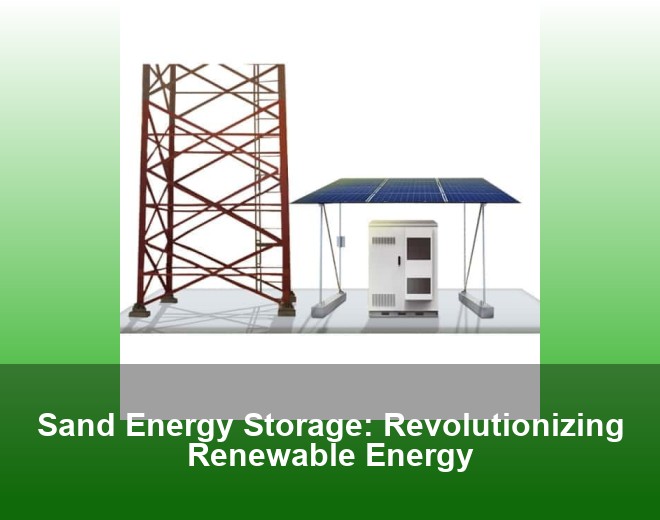
Sand Energy Storage: Revolutionizing Renewable Energy
As renewable energy adoption accelerates globally, we're facing a thermal storage crisis. Solar panels go dark at night. Wind turbines stop when breezes die. The problem isn't generation - it's preserving that clean energy for when we actually need it. Traditional lithium-ion batteries, while useful for short-term storage, become prohibitively expensive for grid-scale applications. Did you know that storing just 24 hours of global electricity demand would require $1.4 trillion worth of lithium batteries? There's got to be a better way.
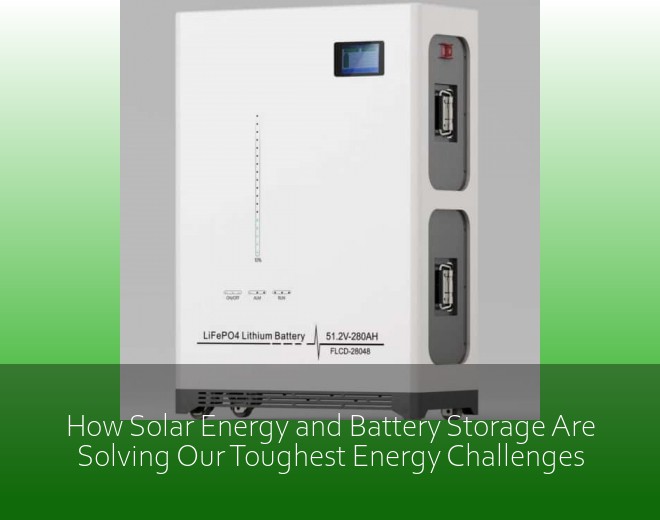
How Solar Energy and Battery Storage Are Solving Our Toughest Energy Challenges
Let's face it – our current energy model's about as stable as a house of cards in a windstorm. Fossil fuel prices swung wildly last quarter, with natural gas hitting $8.50/MMBtu in February before crashing to $4.20 by March. Meanwhile, extreme weather events knocked out power for 2.3 million U.S. households just last month. Solar energy isn't just an alternative anymore; it's becoming our safety net.
Energy Storage: Renewable Energy's Game-Changer
We've all seen those breathtaking solar farms and majestic wind turbines - symbols of our clean energy future. But here's the elephant in the room: renewable energy sources can't generate power on demand. Cloudy days still surprise meteorologists, and wind patterns remain as unpredictable as a teenager's mood swings.
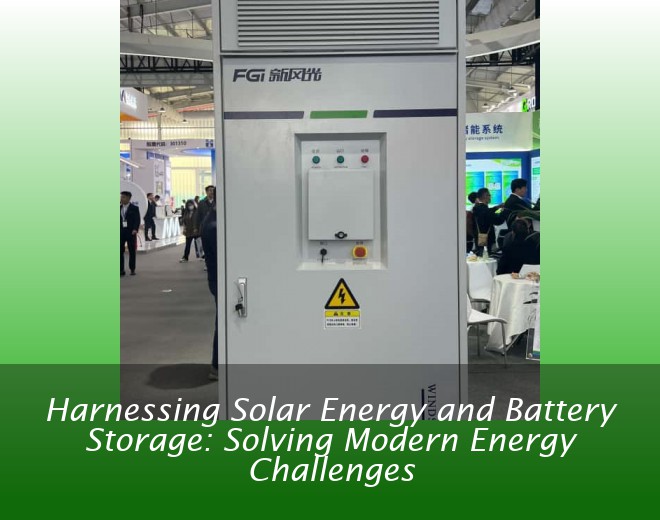
Harnessing Solar Energy and Battery Storage: Solving Modern Energy Challenges
our energy systems are broken. While the world added 295 GW of new solar capacity in 2023 alone , 675 million people still lack reliable electricity access. The solution isn't just generating more power, but storing it smarter. Solar energy production grew 24% in EU countries last year, but without adequate storage, we're literally letting sunlight go to waste.
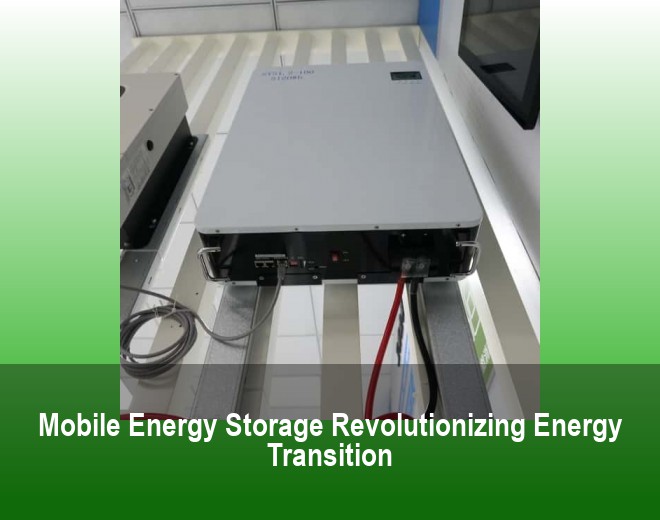
Mobile Energy Storage Revolutionizing Energy Transition
You know that sinking feeling when your phone battery hits 1% during a crisis? Now imagine entire cities facing that panic. Across Europe, 68% of power grids operate at 90%+ capacity daily - a time bomb ticking toward blackouts. The Netherlands, where Greener Power Solutions originated, faces particularly acute overloads during peak tourism seasons.
 Inquiry
 Online Chat