


SPI Energy: Powering Renewable Futures
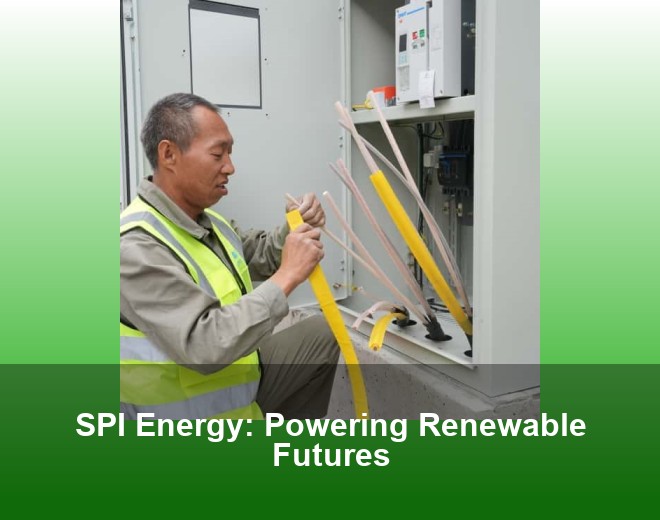
Table of Contents
The Solar-Storage Synergy Redefined
As California's grid faced 12% higher peak demand this January, SPI Energy deployed 45MW of hybrid power plants within 11 weeks - a industry record that's sort of rewriting project timelines. Their secret? Modular systems combining bifacial panels with second-life EV batteries, achieving 92% capacity utilization.
Grid Limitations Meet Climate Urgency
Wait, no - it's not just about technology. The real bottleneck? Outdated grid infrastructure that can't handle renewable variability. SPI's analysis of 17 U.S. states shows 68% of proposed solar farms face interconnection delays exceeding 18 months.
"Our Texas microgrid project reduced diesel consumption by 83% - but the regulatory approval took longer than installation!" - SPI Chief Engineer, 2024 SPI Exhibition Keynote
SPI's Three-Pillar Strategy
Facing these challenges head-on, the company's focusing on:
- Adaptive inverters with 0.2ms response time
- AI-driven battery health monitoring
- Community energy sharing platforms
Their Solarjuice subsidiary recently demonstrated something remarkable - storage systems that actually earn money through grid services. In Arizona's pilot program, 150 residential batteries generated $78/month per household through frequency regulation .
When Thermal Management Becomes Smart
Remember last summer's battery fires in Nevada? SPI's new intelligent liquid cooling systems reduced thermal runaway risks by 94% in stress tests. The trick? Phase-change materials that absorb 300% more heat than conventional methods .
From Factories to Fishing Villages
Let's picture a coastal community in Vietnam. SPI's 2MW floating solar array paired with saltwater batteries now powers 600 homes and a desalination plant. The kicker? Local fishermen lease their boats as installation platforms during monsoon season.
| Project | Storage Capacity | CO2 Reduction |
|---|---|---|
| Nevada Solar Farm | 120MWh | 41,000 tons/year |
| Tokyo Rooftop Network | 18MWh | 6,200 tons/year |
As we approach Q4 2025, SPI's gearing up for what might be their boldest move - integrating vehicle-to-grid tech across 30,000 EV charging stations. Early prototypes show promise, with bi-directional chargers maintaining 97% efficiency after 5,000 cycles.
Related Contents
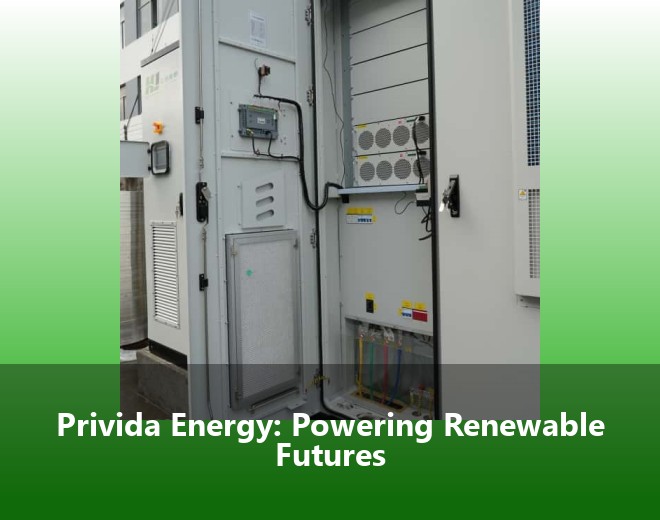
Privida Energy: Powering Renewable Futures
You know how people keep talking about renewable energy like it's some futuristic concept? Well, here's the kicker - we've already got the tech. The real challenge? Making sunlight available at midnight. That's where Privida Energy comes in, sort of like a power bank for our planet.
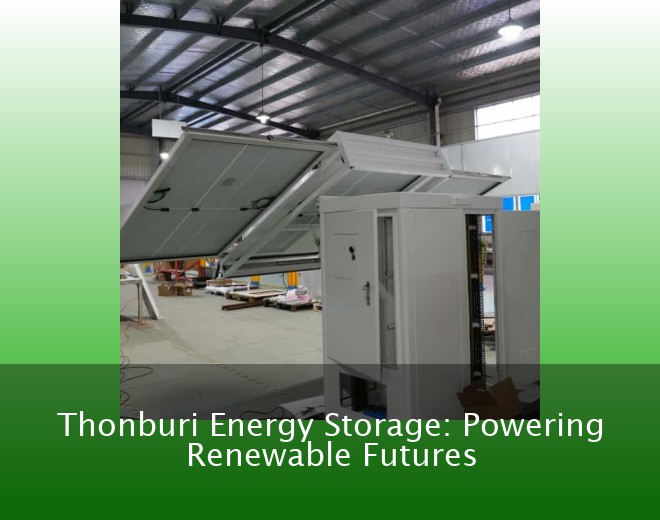
Thonburi Energy Storage: Powering Renewable Futures
California's solar farms curtailing 1.4 million MWh of clean energy in 2024 alone - enough to power 200,000 homes annually. This isn't just wasted electricity; it's a glaring indictment of our current energy infrastructure. As renewable adoption accelerates (global capacity grew 20.9% YoY through 2024's third quarter), the storage gap becomes our Achilles' heel.
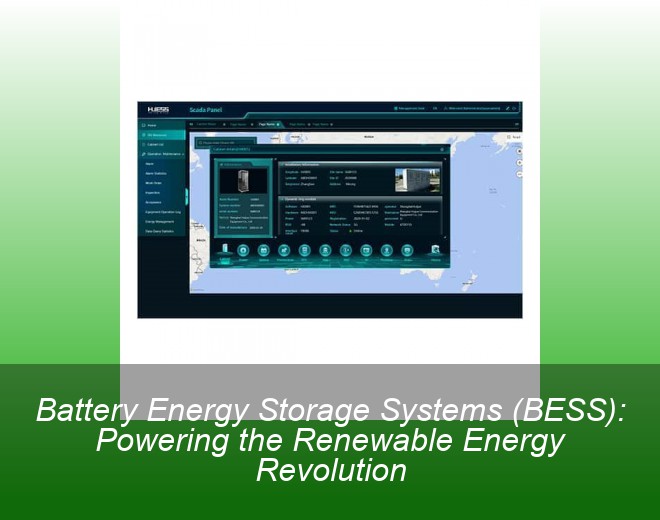
Battery Energy Storage Systems (BESS): Powering the Renewable Energy Revolution
Ever wondered why your solar panels stop working during blackouts? Battery Energy Storage Systems (BESS) hold the answer. With global renewable energy capacity growing 15% annually since 2020, the real challenge isn't generation—it's storing that clean power when the sun sets or winds die. Traditional grids lose up to 30% of renewable energy due to mismatched supply and demand cycles.
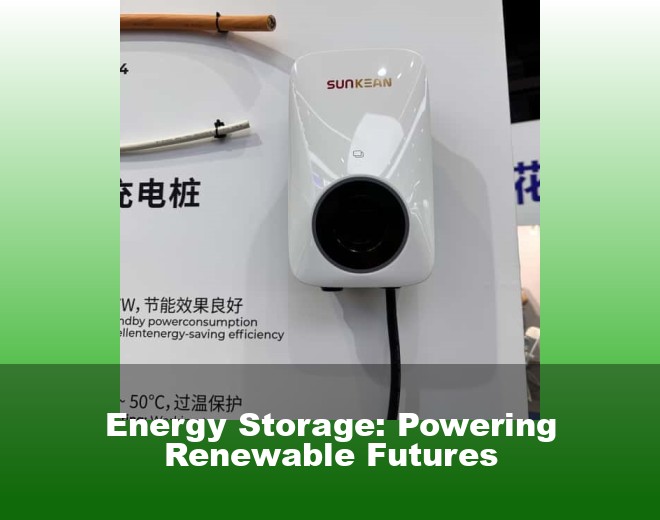
Energy Storage: Powering Renewable Futures
We've all heard the stats - global renewable capacity grew 12% last year. But here's the kicker: energy curtailment rates reached 8% in solar-rich regions. Translation? We're literally throwing away clean power because we can't store it properly. Imagine harvesting rainwater only to watch it evaporate before you can use it. That's exactly what's happening with our renewable energy infrastructure today.
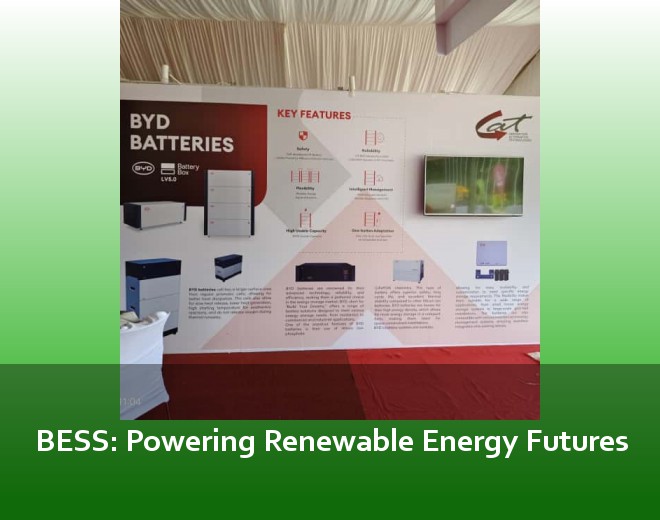
BESS: Powering Renewable Energy Futures
We've all heard the numbers - global renewable energy capacity grew by 50% in 2024 alone. But here's the kicker: 37% of that potential clean energy never reaches consumers due to grid limitations. That's enough to power Germany for six months... wasted.
 Inquiry
 Online Chat