


Solar Energy Storage: Powering Tomorrow
Table of Contents
The Grid's Dirty Secret: Solar Surplus Wastage
Ever wondered what happens to excess solar energy when the sun's blazing but nobody's home? California alone wasted 2.6 million MWh of renewable energy last year - enough to power 325,000 homes annually. This isn't just an engineering problem; it's economic insanity.
The Duck Curve Dilemma
Utility operators joke about "renewable indigestion" as solar floods grids midday. Texas experienced 87 hours of negative electricity prices in Q1 2025 - yes, they paid consumers to use power. Storage isn't optional anymore; it's the battery buffer keeping our lights on.
Silicon Valley Meets Power Plants
2025's storage innovations aren't incremental - they're revolutionary:
- Graphene-enhanced lithium packs (45% denser than 2022 models)
- Self-cooling battery walls using phase-change materials
- AI-driven "energy orchestrators" that predict usage patterns
Take Sungrow's PowerTitan 2.0 system . When deployed in Hampshire's Bramley project, it reduced grid response time from 30 seconds to 900 milliseconds. That's faster than a hummingbird's wingbeat.
When Theory Meets Reality: Storage Wins
Remember Hawaii's 2023 grid collapse? Oahu's new Tesla Megapack array (paired with First Solar panels) survived December's cyclone season unscathed. Their secret? Modular storage pods that isolate damage like submarine compartments.
"We're not just storing electrons - we're storing resilience."
- SolarCity Field Engineer, March 2025 Report
Your Garage's New Money Maker
Residential systems now achieve 94% round-trip efficiency. The Jones family in Arizona actually earned $1,287 last quarter by:
- Storing excess daytime solar
- Selling back during 7-9PM peak rates
- Using AI to optimize their dishwasher cycles
It's not rocket science anymore - it's smart storage economics.
The Invisible Revolution
While headlines chase fusion breakthroughs, real energy transformation lives in unsexy metal cabinets. Next-gen storage does three radical things:
- Turns consumers into prosumers
- Makes renewables truly dispatchable
- Creates virtual power plants from suburban homes
China's State Grid just ordered 40GWh of modular storage units - equivalent to 60 million Powerwalls. When even coal giants bet on batteries, you know where the wind's blowing.
Related Contents

Solar Energy Storage: Powering Tomorrow's Grid
You know that feeling when your phone dies right when you need directions? That's our solar energy grid in 2024 - abundant power with frustrating gaps. The International Renewable Energy Agency reports 89% of generated solar gets wasted during off-peak hours. Ouch, right?
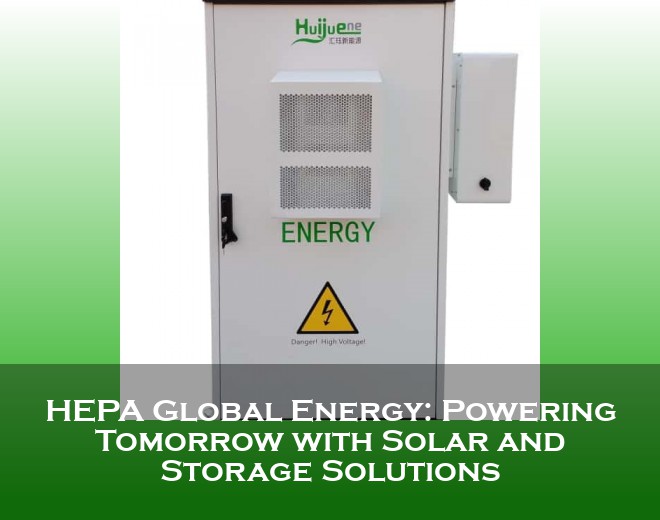
HEPA Global Energy: Powering Tomorrow with Solar and Storage Solutions
You know that frustrating moment when your phone dies during an important call? Now imagine that scenario playing out across entire cities. That's essentially what happened during Texas' 2023 winter storm when renewable energy systems couldn't meet peak demand. The truth is, solar and wind alone can't solve our energy crisis - we need intelligent storage solutions to bridge the gap.
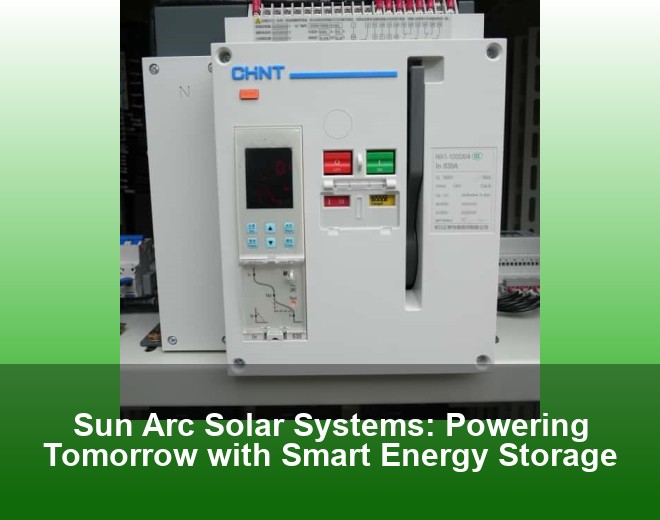
Sun Arc Solar Systems: Powering Tomorrow with Smart Energy Storage
You've probably seen those sleek solar panels glittering on rooftops - symbols of our clean energy future. But here's the kicker: solar energy production doesn't match our electricity consumption patterns. On average, residential solar systems generate 70% of their daily output between 10 AM and 4 PM, while peak household usage occurs around 6-9 PM. This mismatch creates what industry insiders call the "solar paradox" - generating abundant clean energy when we need it least.
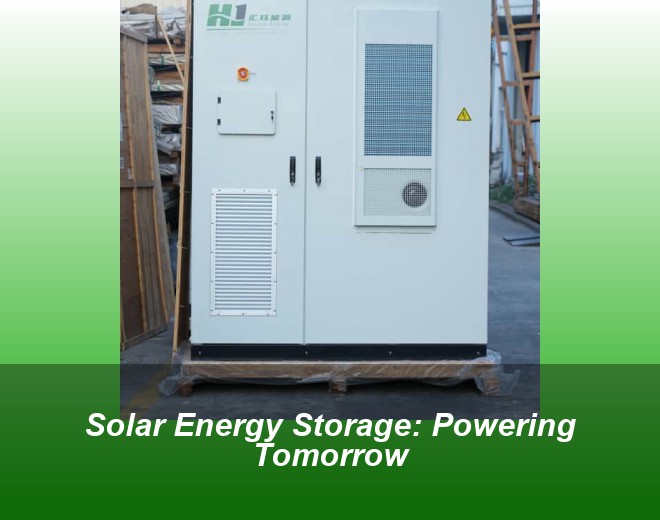
Solar Energy Storage: Powering Tomorrow
Did you know the world wasted 19% of generated electricity last year due to inefficient grid systems? That's enough to power all of South America for 6 months. While solar panel adoption grew 34% in 2024, energy storage remains the missing puzzle piece in our renewable transition.
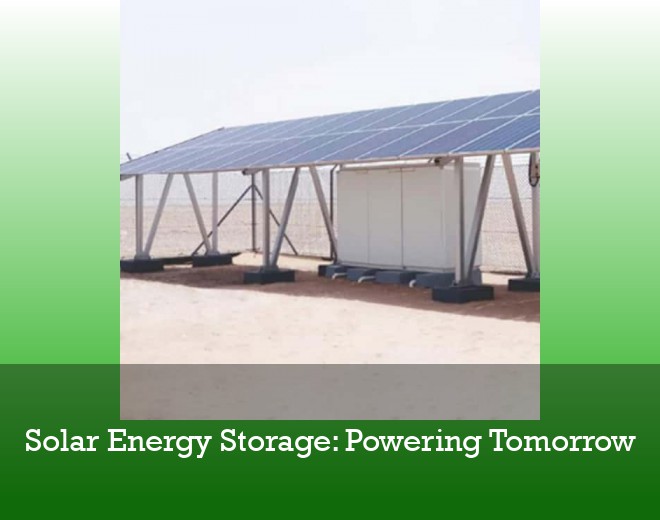
Solar Energy Storage: Powering Tomorrow
Let’s face it—solar panels only work when the sun shines. Intermittency remains the Achilles’ heel of renewable energy. In 2024, California’s grid operators reported 1,200+ hours of solar curtailment—essentially wasting enough energy to power 300,000 homes annually. Why? Because traditional setups lack efficient storage solutions to bridge cloudy days and peak demand nights.
 Inquiry
 Online Chat