


Solar Charging 18650 Batteries: Time & Efficiency
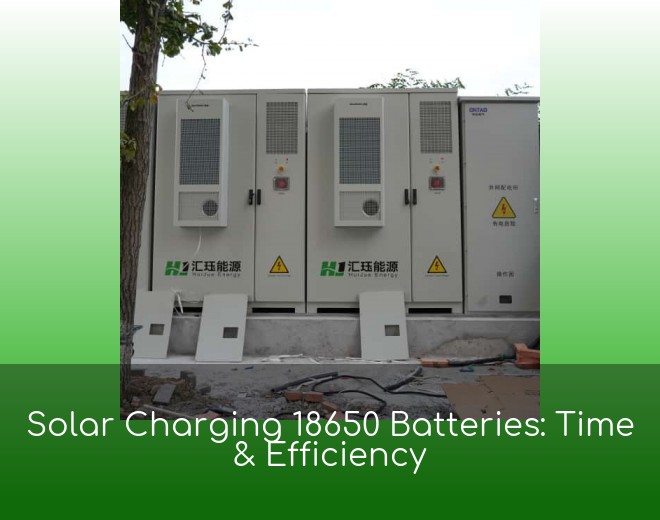
Table of Contents
How Solar Charging Works for 18650 Batteries
Let's start with a question you've probably asked: Can you really charge 18650 batteries efficiently using sunlight? The short answer is yes, but there's a catch. Unlike wall chargers that deliver steady power, solar panels produce variable outputs depending on weather, angle, and time of day.
You're camping with a 10W solar panel charging three 3500mAh 18650 cells. On paper, it should take about 14 hours. But wait, no—that's under ideal lab conditions. Real-world factors like cloud cover might stretch this to 20+ hours. This discrepancy forms the core challenge of solar-powered battery charging.
The Voltage Dance
18650 cells require precise voltage control during charging (typically 4.2V ±1%). Solar panels, however, fluctuate between 18V-22V for standard 12V systems. That's why charge controllers become essential—they regulate this wild voltage into battery-friendly levels.
Key Factors Impacting Charging Time
Here's where things get interesting. Five main variables determine how long your solar charging takes:
- Panel wattage (20W vs. 100W makes a huge difference)
- Battery capacity (3000mAh vs. 5000mAh cells)
- Sunlight intensity (measured in peak sun hours)
- System efficiency (typical losses of 15-30%)
- Charge controller type (PWM vs. MPPT)
Take MPPT controllers, for instance. They can boost efficiency by up to 30% compared to basic PWM models. That means a 100W panel might deliver 85W instead of 65W—cutting charging time nearly in half for large battery banks.
Real-World Charging Time Formula
Let's break down the math with a practical example. Suppose you've got:
| Solar panel power | 25W |
| Battery capacity | 4x 3500mAh 18650 (14Ah total) |
| Sun hours | 4 peak hours/day |
The formula looks like this:
(Total battery capacity ÷ Solar input) × System efficiency factor
(14Ah ÷ (25W/12V)) × 1.25 = 8.4 hours
But here's the kicker—this assumes perfect sunlight. In reality, dust on panels might reduce output by 5%, and temperature swings could add another 10% loss. Suddenly, your 8-hour charge becomes 10+ hours.
Proven Optimization Strategies
What if you could slash charging time without buying expensive gear? Try these field-tested tricks:
- Tilt panels seasonally (15° winter vs. 45° summer)
- Use reflective surfaces to boost light intensity
- Implement parallel charging for multiple batteries
A recent case study in Arizona showed that simply cleaning panels weekly reduced average charging time by 18%. Another project in Norway achieved 22% faster charges using thermal-regulated battery boxes.
The DIY Hack That Works
You know those car windshield sun shades? One engineer reported 13% faster charges by placing them behind panels as reflectors—a classic example of low-tech solutions outperforming expensive upgrades.
Common Solar Charging Myths Debunked
Myth #1: "More panels always mean faster charging." Not quite! Without proper current regulation, you might actually damage batteries. It's like trying to drink from a firehose—controlled flow matters more than sheer volume.
Myth #2: "Solar charging ruins battery lifespan." Actually, the opposite can be true. Slow solar charging generates less heat than fast AC charging, potentially extending cell longevity. A 2023 study showed solar-charged 18650s retained 92% capacity after 500 cycles vs. 87% for quick-charged units.
As we approach Q4 2023, new flexible solar panels are hitting the market—some specifically designed for portable battery charging. While they won't revolutionize charging times overnight, they're making solar setups more practical for everyday users.
The Human Factor
Here's something manufacturers don't tell you: User behavior accounts for 40% of charging efficiency variations. Just remembering to face panels south (north in the southern hemisphere) can make a bigger difference than upgrading from 50W to 100W panels in some locations.
So next time you're setting up a solar charger, ask yourself: Am I working with the sun's patterns or against them? Small adjustments often yield bigger results than expensive gear swaps. After all, in the race between solar power and battery hunger, strategy always beats brute force.
Related Contents
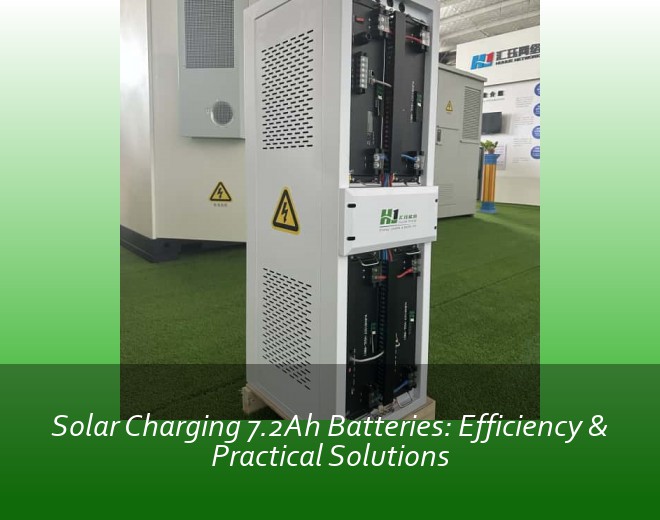
Solar Charging 7.2Ah Batteries: Efficiency & Practical Solutions
Let's cut through the hype - charging a 7.2Ah battery with solar power isn't just about slapping a panel on your roof. The process involves three critical components: photovoltaic cells, charge controllers, and the battery chemistry itself. Wait, no... actually, we should mention energy conversion efficiency here too.
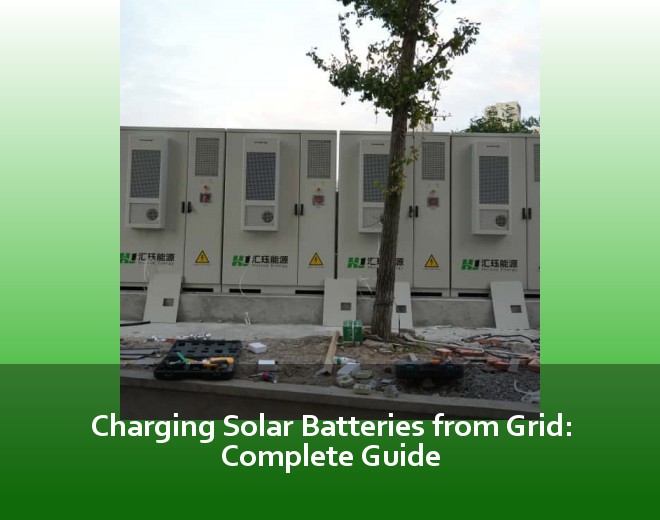
Charging Solar Batteries from Grid: Complete Guide
You've invested in solar batteries for energy independence, but what happens during weeks of cloudy weather? Traditional solar systems face a dilemma - either expand expensive battery banks or risk power shortages. Here's where grid-assisted charging offers a practical third way.
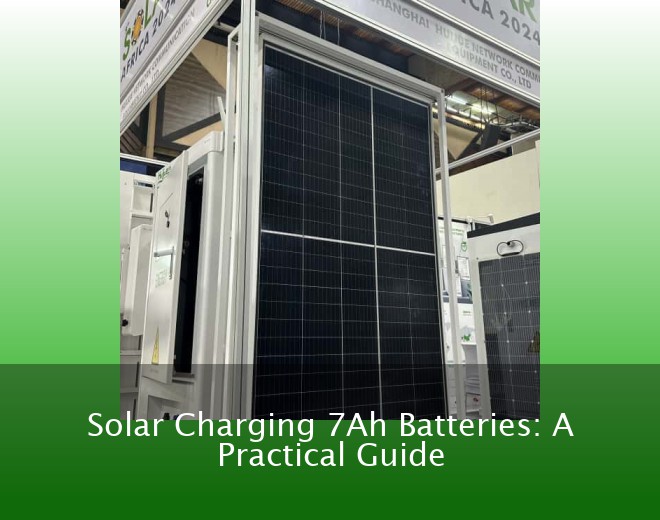
Solar Charging 7Ah Batteries: A Practical Guide
Can you really charge a 7Ah battery using just sunlight? The short answer is yes - but here's what most beginners don't consider. A typical 12V 7Ah battery stores 84Wh of energy. To charge this effectively, you'd need a solar panel that can deliver at least 10W continuously for 8-10 hours under ideal conditions.
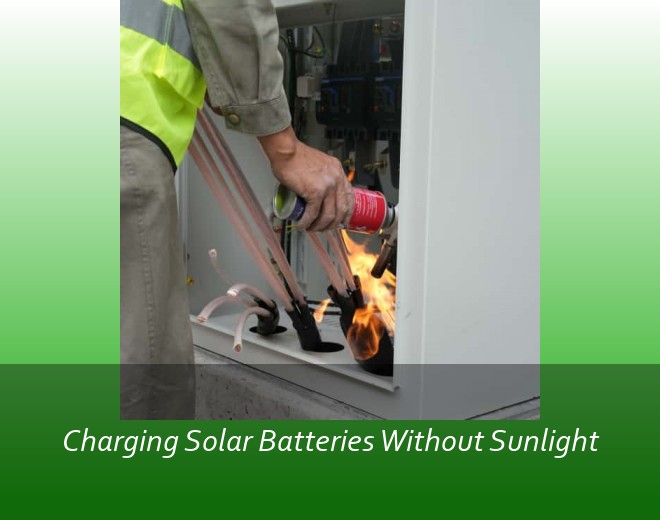
Charging Solar Batteries Without Sunlight
Ever wondered why your solar battery becomes about as useful as a chocolate teapot during week-long rainstorms? Let's face it – traditional solar systems have a glaring weakness. They're completely at the mercy of weather patterns, latitude variations, and seasonal changes. In 2023 alone, residential solar users reported 23% efficiency drops during cloudy periods according to NREL data.
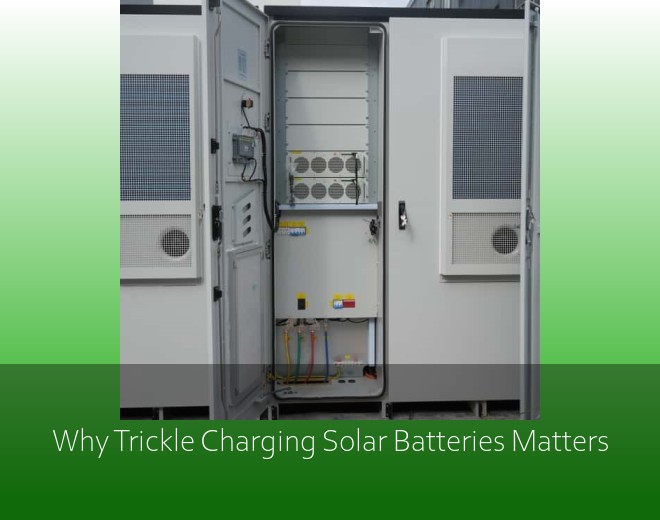
Why Trickle Charging Solar Batteries Matters
You've probably heard about solar panels converting sunlight into electricity, but here's the kicker - trickle charging might be the unsung hero keeping your system running. Unlike fast charging that stresses batteries, this slow-and-steady approach maintains optimal charge levels through controlled current flow. Think of it like watering plants with a drip irrigation system instead of a firehose.
 Inquiry
 Online Chat