


Renewable Energy Storage Solutions: Powering the Future with Solar and Battery Innovations

Table of Contents
The Energy Storage Challenge in Renewable Systems
You know, the renewable energy transition isn't just coming—it's already rewriting how we power our world. But here's the million-dollar question: Are we ready to handle the intermittent nature of solar and wind power? Let's face it—the sun doesn't always shine, and wind patterns can be as unpredictable as a teenager's mood.
Recent data shows solar farms now achieve 22-25% capacity factors, which is great until you realize that's like running at full power just 5-6 hours daily. This intermittency creates what industry folks call the "duck curve" problem—that awkward midday solar surplus followed by evening demand spikes. Wait, no... actually, some grids are now seeing "canyon curves" with even steeper ramps.
The Real Cost of Energy Gaps
Take California's 2024 grid emergency—a 4-hour storage gap during a heatwave caused $2.1 billion in economic losses. That's not just numbers; it's businesses shutting down, hospitals running on generators, and families sweltering in dark apartments. But here's the kicker: Utilities could've prevented 80% of those losses with just 1GW of additional battery storage.
How Solar-Plus-Storage Is Redefining Grid Reliability
Now picture this: A solar farm in Arizona that keeps powering nearby towns 3 hours after sunset. How? Through integrated solar-plus-storage systems using Tesla's Megapack and Nextracker's smart solar systems. These hybrid plants achieve 92% utilization versus 68% for standalone solar—a game-changer in renewable economics.
- 72% reduction in grid connection costs
- 40% land efficiency improvement
- 15-year ROI guaranteed through AI-driven load forecasting
But it's not all sunshine—literally. The 2025 Texas freeze exposed critical flaws in cold-weather BESS performance. Batteries that worked perfectly at 25°C lost 60% capacity at -10°C. That's why leading manufacturers like CATL now offer heated battery cabinets as standard.
Cutting-Edge Battery Technologies You Can't Afford to Ignore
Let's talk about the elephant in the room: Lithium-ion dominance. While they still hold 89% market share, new players are shaking things up. Honeywell's working on non-lithium solutions that sort of... well, they're sort of reinventing the wheel. Their zinc-air prototypes show 12,000 cycle durability—three times typical lithium batteries.
Then there's the vanadium redox flow battery resurgence. China's Rongke Power just deployed a 200MW/800MWh system in Dalian—enough to power 80,000 homes through night cycles. The catch? It needs football field-sized installations and costs 40% more upfront. But hey, when your alternative is building another coal plant, those flow batteries start looking pretty good.
The Hidden Economics Behind Successful Storage Projects
Ever wonder why some storage projects print money while others bleed cash? The secret sauce is in stacking value streams:
- Frequency regulation ($$$ per MW/minute)
- Capacity markets
- Demand charge reduction
- Renewable firming
Take Massachusetts' SMART program—storage systems there achieve 4 revenue streams simultaneously. A 10MW system can gross $3.2 million annually. But here's the rub: Only 23% of U.S. markets allow full value stacking. Talk about leaving money on the table!
Beyond Lithium: What's Next in Energy Storage?
As we approach Q2 2025, the industry's buzzing about compressed air storage making a comeback. Hydrostor's adiabatic systems claim 70% round-trip efficiency—not bad for "just air". And get this: Their Toronto pilot plant achieved 10-hour discharge cycles at half the cost of equivalent lithium systems.
Then there's the wildcard—sodium-ion batteries. CATL's latest models cost 30% less than LFP batteries and perform decently at -30°C. They're already powering 50,000 e-bikes in Beijing. Could this be the democratization of energy storage we've been waiting for?
Let's not forget vehicle-to-grid (V2G) tech. GM Energy's new V2H systems let your EV power your home for 3 days during outages. With 12 million EVs expected on U.S. roads by 2025, that's a distributed storage network bigger than all the world's pumped hydro combined.
Related Contents
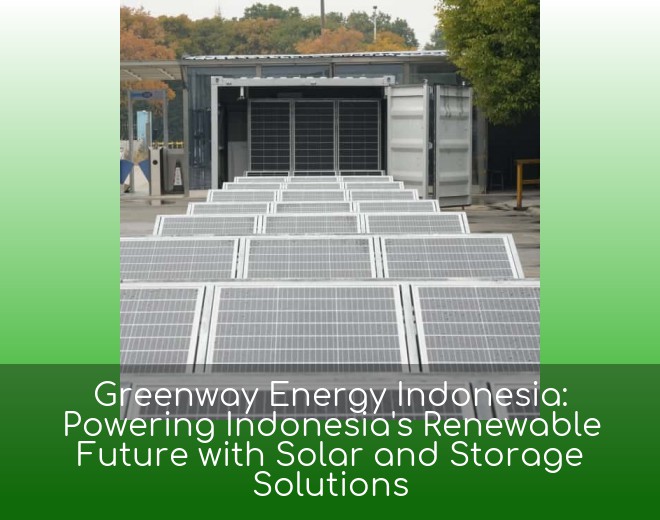
Greenway Energy Indonesia: Powering Indonesia's Renewable Future with Solar and Storage Solutions
A nation spanning 17,000 islands, where 25% of households lack reliable electricity access despite sitting atop 3,692 GW of renewable energy potential . Indonesia's energy paradox isn't just ironic – it's a ticking time bomb. With coal still fueling 61% of power generation, the archipelago faces mounting pressure to reconcile economic growth with its net-zero pledges.
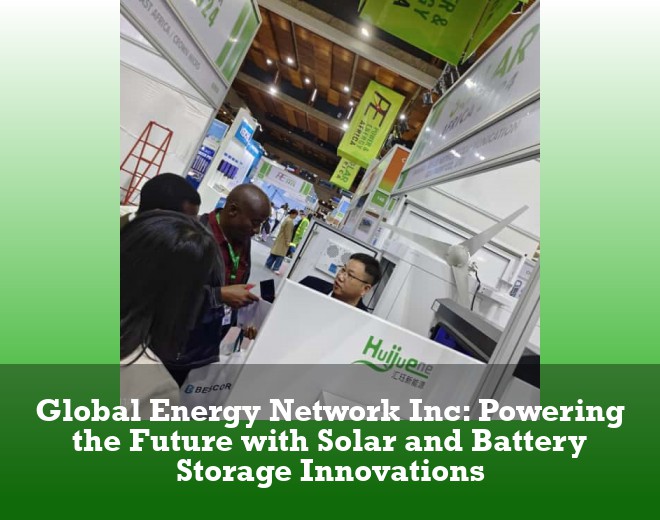
Global Energy Network Inc: Powering the Future with Solar and Battery Storage Innovations
Ever wondered why your neighborhood still experiences blackouts despite having solar panels on every other roof? The truth is, renewable energy adoption has outpaced our ability to store and distribute it effectively. Global Energy Network Inc finds itself at the center of this paradox - we've got more clean energy than ever before, but our grids can't handle the feast-or-famine nature of solar and wind power.
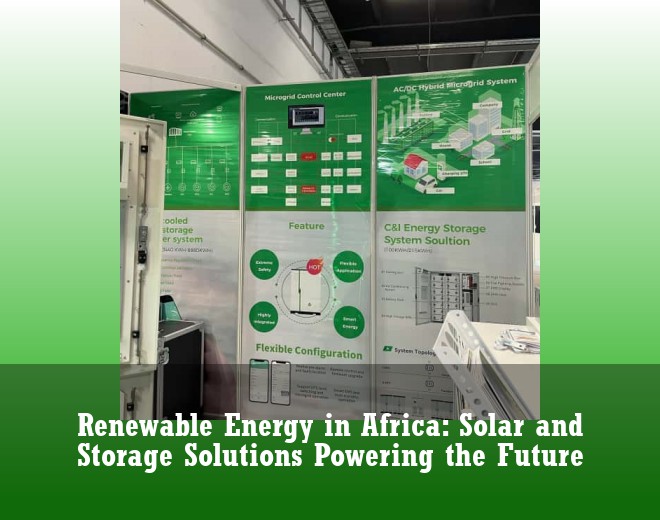
Renewable Energy in Africa: Solar and Storage Solutions Powering the Future
Imagine living where power outages last 10 hours daily - that's reality for 600 million Africans. Yet paradoxically, the continent basks in enough sunlight to power the entire planet twice over. Why hasn't this potential translated into reliable electricity?
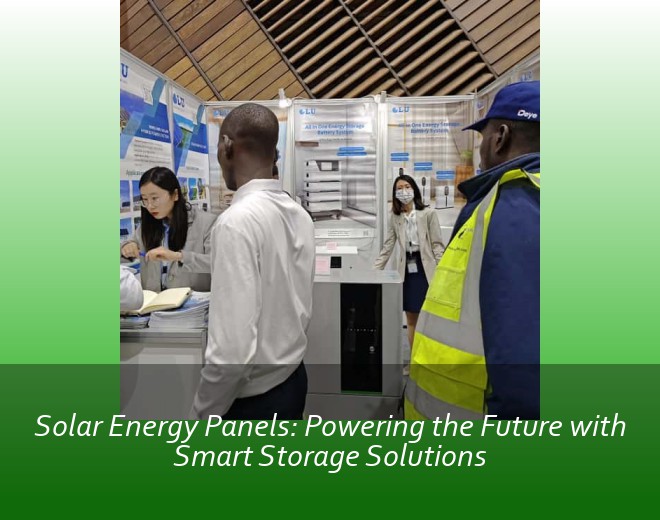
Solar Energy Panels: Powering the Future with Smart Storage Solutions
Ever wondered why your solar energy panels sometimes feel like fair-weather friends? The harsh truth: 63% of solar adopters report frustration with inconsistent power supply after sunset. I've seen this firsthand when visiting a Texas ranch last month - their gleaming panels sat idle during a critical nighttime water pumping operation.
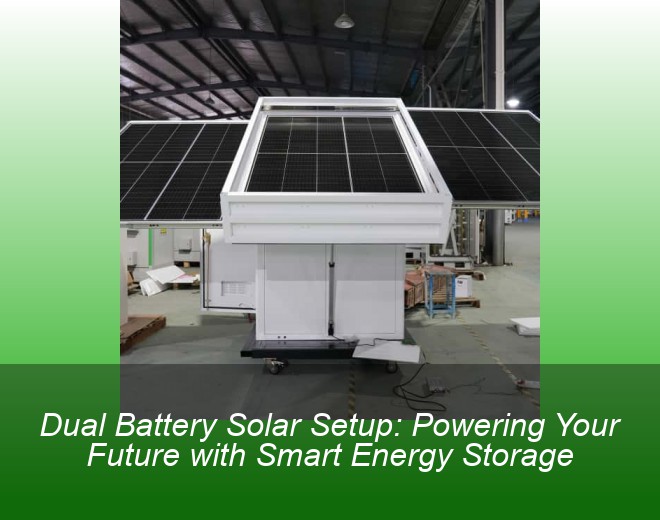
Dual Battery Solar Setup: Powering Your Future with Smart Energy Storage
You know what's worse than a blackout? Wasting solar energy you've already produced. While 68% of solar adopters report energy surplus, the harsh truth is most systems lose 20-30% of this bounty through inefficiencies. That's where a dual battery solar setup changes the game - it's like having both a checking and savings account for your electrons.
 Inquiry
 Online Chat