


Cooling Photovoltaic Panels: Why Temperature Management is Critical for Solar Efficiency
Table of Contents
Why Solar Panels Hate Summer
You’d think photovoltaic panels would thrive in blazing sunlight, right? Well, here's the catch: most solar cells lose 0.3-0.5% efficiency for every 1°C temperature rise above 25°C. Last summer's heatwave in Arizona saw panel surfaces hitting 75°C – that’s nearly 15% power loss when communities needed AC the most.
But why aren’t we talking about this "hot panel paradox"? The solar industry’s been chasing higher conversion rates while ignoring the thermal elephant in the room. Let’s break down what really happens when panels overheat.
The Silent Efficiency Killer
Temperature coefficient isn’t just tech jargon – it’s the reason your solar investment underperforms. Crystalline silicon cells (used in 95% of installations) become less efficient as atomic vibrations increase with heat. It’s like trying to catch ping-pong balls during an earthquake; excited electrons escape before becoming usable current.
New data from NREL shows:
- Uncooled panels in Phoenix operate at 18% efficiency vs. lab-optimal 22%
- Every 10°C reduction boosts annual output by 5-7% in tropical zones
5 Game-Changing Cooling Techniques
1. Active water cooling: Dubai’s 5MW solar farm uses treated wastewater in closed-loop pipes beneath panels, maintaining 35°C surface temps even at 45°C ambient
2. Phase-change materials: Paraffin wax capsules absorb heat during melting (26-28°C range), acting as thermal batteries
3. Hybrid wind-catchers: Texas installs combining angled panel mounts with vertical-axis microturbines achieve dual cooling/power generation
Singapore’s High-Rise Solar Revival
When the Marina Bay financial district’s solar output dropped 12% year-over-year, engineers installed aluminum heat sinks with graphene coating. The result? 18% efficiency rebound and 9% longer daily generation hours. “It’s like giving panels their own AC system,” remarked the project lead.
Rethinking Panel Design from Ground Up
Leading manufacturers now integrate cooling considerations into new PV module designs:
- Bifacial panels with 4mm air gaps for natural convection
- Self-tinting glass that reduces infrared absorption during peak heat
As one engineer put it: “We’re not just building solar panels anymore – we’re crafting precision thermal devices that happen to generate electricity.” The race to 30% efficiency isn’t about new materials alone; it’s about mastering the heat dance.
Related Contents
Harnessing Solar Power: The Complete Guide to 9V Solar Panels with Battery Systems
Ever found yourself stranded with dead devices during a camping trip? That's where 9-volt solar battery systems become game-changers. Unlike their bulkier 12V cousins, these compact units have seen a 15% surge in adoption since 2022 according to REA's latest market report. But why the sudden hype?
Rotating Solar Panels: Efficiency Unleashed
Last month, Texas rancher Clara Benson discovered her rotating PV panels generated 41% more power than fixed neighbors' systems during a winter storm. "It's like getting free sunlight hours," she told Renewable Energy Weekly. This isn't magic - it's basic physics meeting smart engineering.
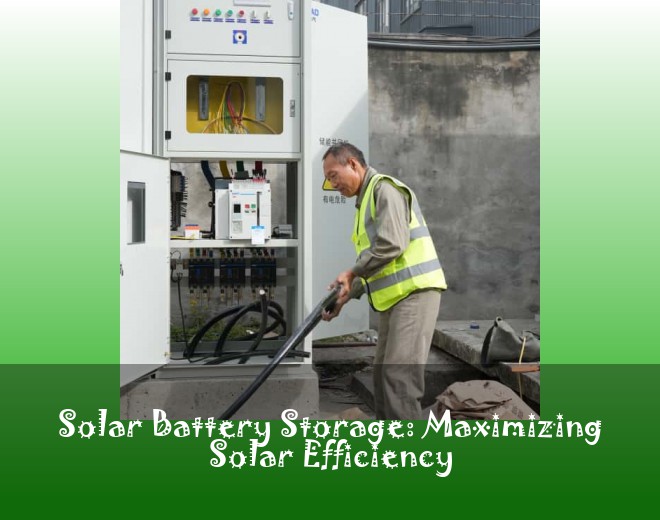
Solar Battery Storage: Maximizing Solar Efficiency
You’ve seen solar panels glittering on rooftops worldwide, but here's the kicker: solar energy storage remains the missing puzzle piece. While photovoltaic technology advanced 27% in efficiency since 2020 (U.S. Department of Energy), 68% of generated solar power still gets wasted during peak production hours. Why? Most systems lack proper storage solutions.

Fraunhofer Solar Panels: Merging Efficiency with Aesthetics
You know that awkward moment when a sleek modern building gets "accessorized" with clunky blue rectangles? Fraunhofer solar panels are solving this architectural paradox. While global solar capacity grew 22% YoY (2024 EU Solar Report), 68% of architects surveyed admit avoiding solar integration due to aesthetic concerns.
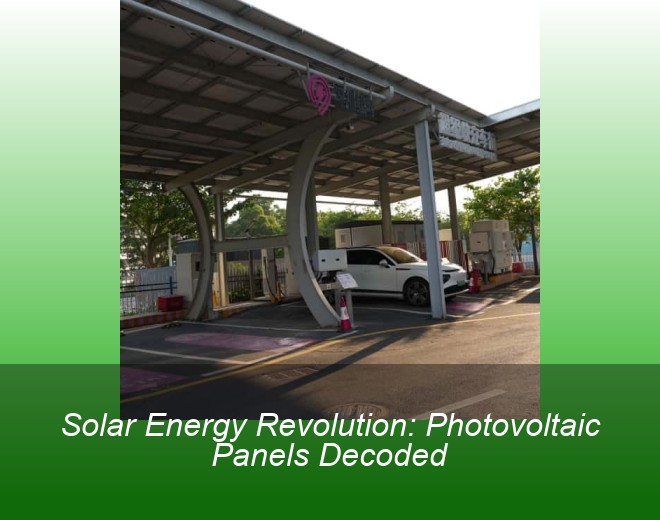
Solar Energy Revolution: Photovoltaic Panels Decoded
Ever wondered how those sleek rectangles on rooftops turn sunlight into Netflix binge-watching power? Let's break it down. Photovoltaic panels work through semiconductor materials—usually silicon—that get all excited when sunlight hits them. This creates an electric current through what's poetically called the "photovoltaic effect."
 Inquiry
 Online Chat