


Solar Batteries in Lebanon: Powering Through Crisis
Table of Contents
Lebanon's Energy Crisis: Why Solar Batteries Matter Now
you've probably spent more nights counting candle flames than electricity hours this year. With state-provided power averaging just 2-4 hours daily since 2022, solar batteries aren't just an eco-friendly choice anymore. They're survival gear.
But here's what most don't realize: Lebanon gets 300+ days of annual sunshine. That's better solar potential than Spain or California! Yet until recently, solar adoption hovered below 5% of households. Why? The missing piece was always energy storage - those bulky boxes that turn daytime solar gains into 24/7 power.
The Diesel Dilemma
Every Beirut balcony tells the same story: jerrycans of diesel fuel next to humming generators. But at LBP 1.2 million per liter (about $13), this "solution" burns through savings faster than actual fuel. Solar batteries eliminate that toxic equation.
How Solar Battery Systems Actually Work
Modern systems combine three key components:
- Photovoltaic panels (25% cheaper than 2020 prices)
- Lithium-ion batteries (60% smaller than lead-acid equivalents)
- Smart inverters managing grid/generator integration
Wait, no - let's correct that. While lithium-ion dominates globally, Lebanon's market still sees 43% lead-acid battery adoption due to upfront costs. But here's the kicker: lithium lasts 3x longer despite higher initial pricing. A family in Tripoli reported 78% cost savings after switching last Ramadan.
Breakthrough Battery Chemistry
New hybrid systems combine lithium's longevity with lead-acid's affordability. The XC90 model from China's Trina Solar, for instance, uses recycled car batteries to cut prices by 40%. Could this be Lebanon's storage sweet spot?
Real-Life Success Stories in Beirut & Beyond
Take the Karam family in Achrafieh - their 10kW system with 20kWh storage now powers:
- Air conditioning (3 units)
- Refrigeration (2 units)
- Water pumps (24/7 operation)
"We broke even within 18 months," says Mrs. Karam. "The system even survived the 2024 fuel crisis when generators stopped completely."
Hospital Nightmare Averted
At St. George Hospital, a 500kW solar farm with Tesla Powerwalls now handles 70% of ICU needs. Director Dr. Elias Maroun recalls: "During February's 72-hour blackout, our solar batteries literally kept newborns alive."
What's Next for Lebanese Energy Independence?
The Central Bank's National Energy Efficiency Action Plan aims for 30% renewable integration by 2030. But with solar battery imports doubling every 9 months, market forces might beat bureaucracy to the punch.
Could Lebanon become the Mediterranean's first solar-powered nation? The pieces are all there - abundant sun, urgent need, and falling tech costs. All that's missing is coordinated action. But as Beirut's rooftop revolution shows, citizens aren't waiting for permission slips to seize their energy future.
Related Contents
Li-ion Solar Batteries in South Africa: Powering the Future Through Renewable Energy Storage
You know, rolling blackouts have become a part of daily life here. But what if I told you Li-ion solar batteries are quietly rewriting South Africa's energy story? With 8.97 GW of solar capacity installed by October 2024 – 6.1 GW from private installations alone – the country's energy landscape is undergoing its most dramatic transformation since the coal era.
Solar Batteries in South Africa: Powering Resilience Through Energy Storage
You know that sinking feeling when your lights flicker during dinner prep? For 86% of South African households, this isn't just occasional drama - it's a daily reality shaped by Eskom's 150+ days of load-shedding in 2024 alone. But here's the kicker: rolling blackouts cost the economy R900 million per stage daily, according to latest Nedbank reports.
Best Solar Batteries in Pretoria: Powering Your Home Through Load Shedding
You've probably noticed your electricity bill climbing faster than Johannesburg's skyscrapers. With load shedding hitting Stage 6 again last month (August 2023), Pretoria households are spending up to 8 hours daily without grid power. But here's the kicker: Solar panels alone won't save you when the sun's not shining. That's where solar batteries become your lifeline.
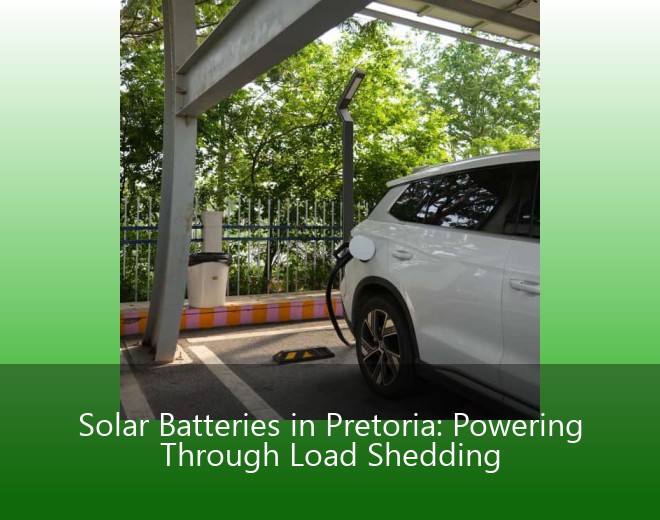
Solar Batteries in Pretoria: Powering Through Load Shedding
You know, it's March 2025 and Pretoria residents still face 6-8 hour daily blackouts. The City of Tshwane reported 187 days of load shedding last year alone - that's 51% of 2024 spent in darkness. But here's the kicker: traditional backup solutions are failing faster than a politician's promise.
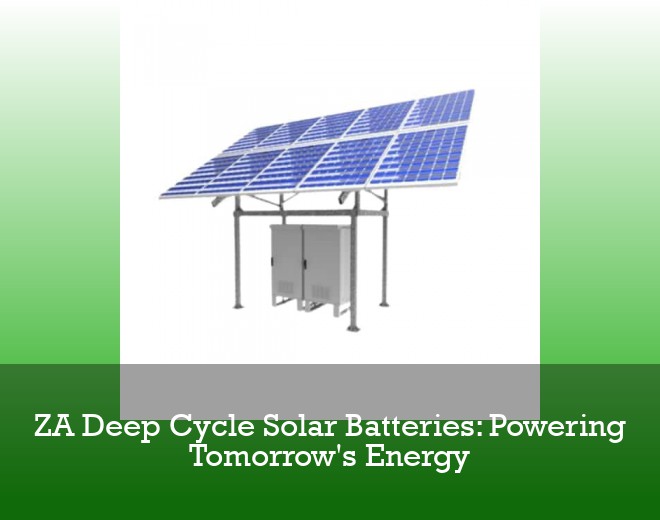
ZA Deep Cycle Solar Batteries: Powering Tomorrow's Energy
You know how everyone's hyping solar panels these days? Well, here's the kicker - 63% of residential solar systems installed in 2024 are underperforming due to inadequate battery storage . The real magic happens when the sun isn't shining, and that's where most systems fall flat on their face.
 Inquiry
 Online Chat