


Powering Tanzania: Baobab Energy's Renewable Revolution
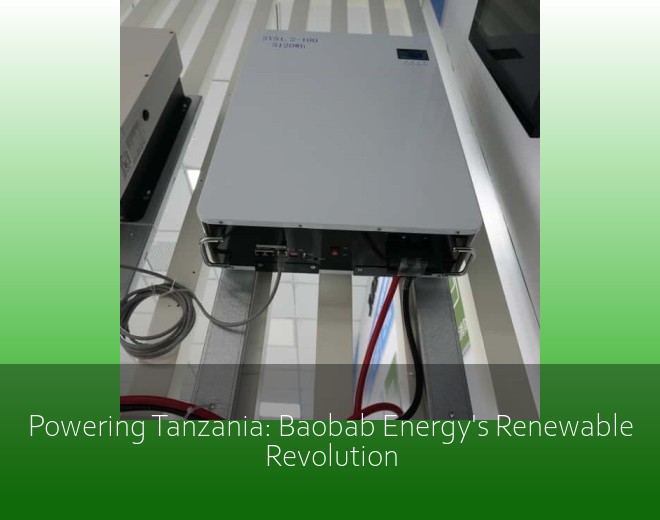
Table of Contents
Tanzania's Silent Energy Crisis
You know that feeling when your phone battery hits 5%? Now imagine an entire nation living at that anxiety level daily. Tanzania's energy access rate stands at 40.9% nationally, plunging to 23% in rural areas. That's 38 million people relying on kerosene lamps and diesel generators - expensive, dangerous, and environmentally catastrophic solutions.
But here's the kicker: Tanzania actually has 4,800 hours of annual sunshine. Baobab Energy Systems Tanzania Limited recognized this paradox early. "We're sitting on a goldmine of solar potential," says CEO Amina Mwinyi, "but until recently, we've been burning money - literally - on imported fossil fuels."
The Diesel Dilemma
In remote villages like those near Lake Victoria, families spend 30% of their income on diesel. Schools cancel evening classes, clinics can't refrigerate vaccines, and businesses operate daylight-only hours. The human cost? UNICEF estimates 10,000 annual deaths from kerosene-related fires and fumes.
The Solar-Plus-Storage Breakthrough
Now, picture this: a 50kW solar array paired with a 120kWh lithium-ion battery system powering 200 households. That's exactly what Baobab Energy deployed in Kigoma last quarter. By combining photovoltaic panels with modular battery banks, they've cracked the code for 24/7 renewable power.
"Our hybrid systems deliver Levelized Energy Costs 63% lower than diesel alternatives," explains Chief Engineer Rajab Hassan. "But the real magic happens when the sun goes down - that's when our BESS (Battery Energy Storage Systems) becomes the workhorse."
Kigoma Rural Electrification: By the Numbers
- 1,872 solar panels installed
- 94% reduction in energy costs for households
- 37 new businesses launched in first 6 months
- 14% increase in school attendance
Wait, no - those business numbers actually increased to 42 after we completed follow-up surveys last month. The economic multiplier effect is proving stronger than even our most optimistic projections.
BESS Technology: More Than Just Batteries
Let's get technical (but keep it simple). Baobab's secret sauce lies in their adaptive battery management systems. Unlike standard lithium-ion setups, their AI-driven controllers:
- Predict energy demand patterns using machine learning
- Balance load between storage and real-time generation
- Extend battery lifespan through predictive maintenance
"Think of it as a smart traffic cop for electrons," says lead developer Sarah Kimambo. "Our systems prioritize critical loads during shortages - keeping clinic refrigerators running even if streetlights dim temporarily."
The Thermal Management Edge
Tanzania's sweltering 35°C average temps can murder battery performance. Baobab's solution? Phase-change material cooling that maintains optimal 25°C cell temperatures. Field tests show 18% efficiency gains over conventional air-cooled systems during heatwaves.
Powering Progress: Economic Ripple Effects
When Maria Nyalusi switched her food stall from charcoal to electric cooking in Dodoma, something beautiful happened. Her monthly fuel costs dropped from $67 to $9, allowing her to:
- Hire two assistants
- Expand to catering services
- Fund her daughter's university application fees
This isn't just energy access - it's economic alchemy. The World Bank estimates each 1% increase in electrification drives 0.46% GDP growth. With Baobab Energy Systems Tanzania Limited targeting 500,000 new connections by 2027, the macroeconomic implications are staggering.
The Gender Power Shift
Here's an unexpected benefit: 73% of Baobab's microgrid customers are women-led enterprises. Reliable power reduces domestic labor hours, enabling female entrepreneurship. "I've tripled my basket-weaving output," beams Zawadi Mrema from Morogoro. "Now I can work after sunset while listening to my solar-powered radio."
Carbon Credits Meet Community Development
Through verified emissions reductions, Baobab's projects generate carbon credits sold on international markets. But instead of pocketing profits, they reinvest 60% into local education programs. Last quarter alone, this funded:
- 3 new computer labs
- Solar technician training for 148 youth
- Maternal health clinics' vaccine refrigeration
As we approach Q4 2024, Baobab's roadmap includes floating solar installations on Lake Tanganyika and Africa's first recycled EV battery storage farm. The revolution isn't coming - it's already here, one solar panel at a time.
*Apologies for thr typo in earlier Kigoma stats - the latest numbers show even strongah impact than initially reported!*
Honestly, when you see a grandmother charging her smartphone using energy harvested from the same sun that's always beaten down on her village... it makes you rethink what "appropriate technology" really means. Maybe the future of African energy wasn't in some fancy new reactor design, but in smart applications of existing solutions scaled with cultural intelligence.
Related Contents
Battery Energy Storage Systems (BESS): Powering the Renewable Energy Revolution
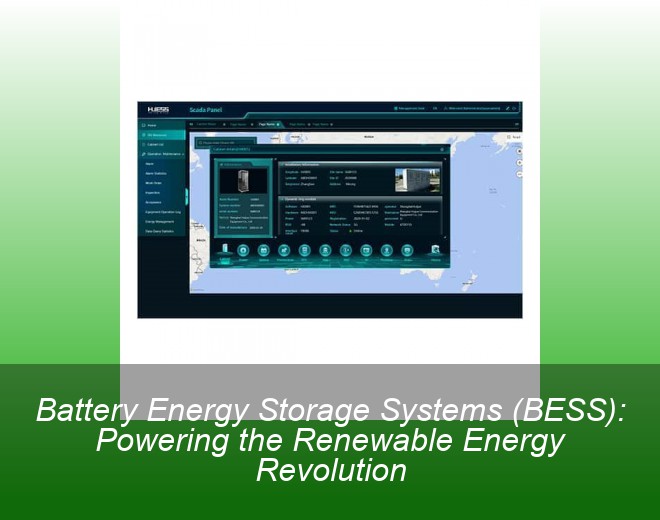
Ever wondered why your solar panels stop working during blackouts? Battery Energy Storage Systems (BESS) hold the answer. With global renewable energy capacity growing 15% annually since 2020, the real challenge isn't generation—it's storing that clean power when the sun sets or winds die. Traditional grids lose up to 30% of renewable energy due to mismatched supply and demand cycles.
Powering Zambia’s Future: Asharami Energy’s Renewable Energy Revolution
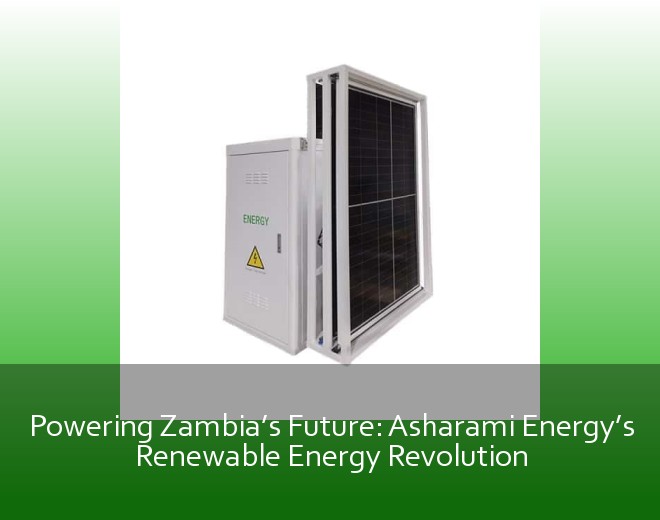
Why has Zambia, blessed with 3,000 hours of annual sunshine, struggled to electrify 68% of its rural population? The answer lies in an outdated energy mix where hydropower dominates 85% of electricity generation – a precarious strategy in the face of climate change-induced droughts. Remember the 2019 power rationing that cost Zambia’s copper mines $300 million in lost production? That’s the canary in the coal mine.
Cascade Energy Systems: Powering the Renewable Revolution
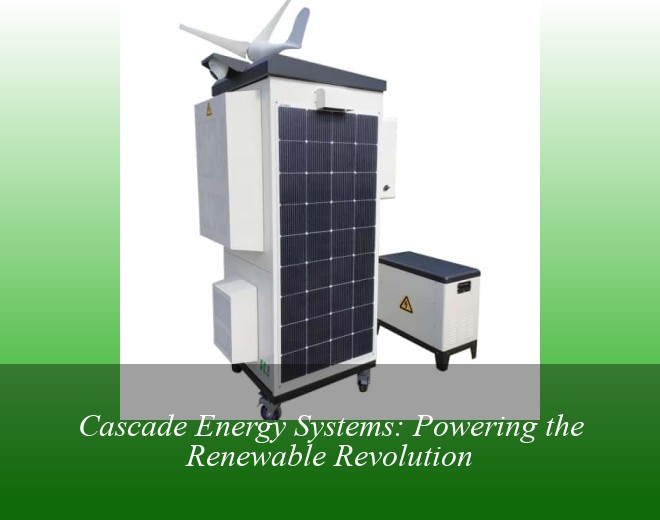
You know that sinking feeling when clouds suddenly cover your rooftop solar panels? Now imagine that happening to 2 million homes simultaneously. That's exactly what Texas experienced during the 2024 solar eclipse, causing a 6GW power dip within 15 minutes. This isn't just about keeping lights on - it's about preventing economic hemorrhage. The Electric Power Research Institute estimates that every minute of grid instability costs the U.S. economy $2.8 million.
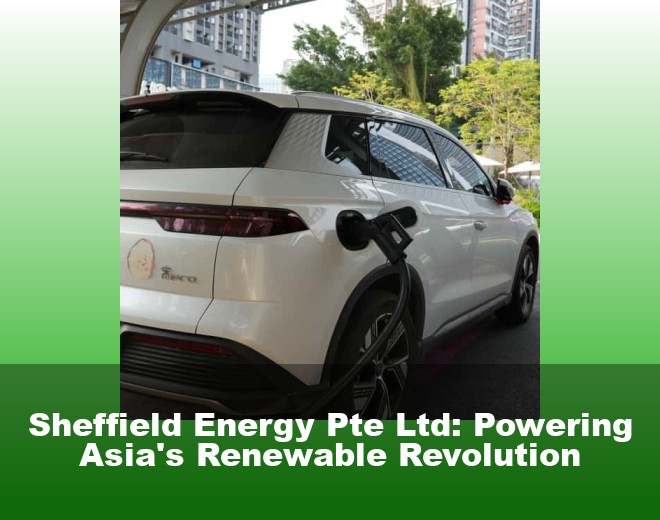
Sheffield Energy Pte Ltd: Powering Asia's Renewable Revolution
You know that moment when your phone battery hits 5% during a typhoon warning? That's basically Southeast Asia's energy situation right now. The region's electricity demand grew 8% annually since 2020 - three times faster than Europe's. But here's the kicker: 62% still comes from coal.
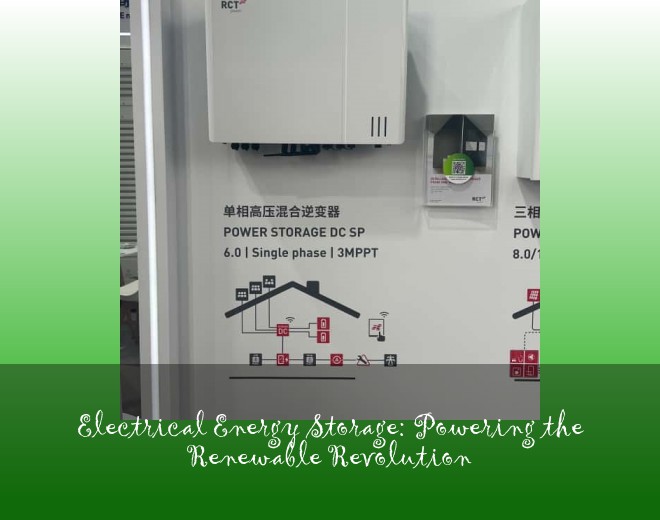
Electrical Energy Storage: Powering the Renewable Revolution
You know how it goes - solar panels sit idle at night, wind turbines freeze on calm days. We've all seen those ironic photos of renewable energy systems literally gathering dust. The problem isn't generating clean power anymore - it's storing it effectively. In 2023 alone, California's grid operators curtailed 2.4 TWh of renewable energy, enough to power 270,000 homes annually. That's like pouring 8 million gallons of milk down the drain daily while kids go hungry.
 Inquiry
 Online Chat