


Powering Homes with 230V 3000W Solar Kits
Table of Contents
Why Solar Makes Sense Now
You know what's wild? Europe's electricity prices jumped 35% last quarter according to Eurostat. That's where a 3000W solar system becomes more than just eco-friendly – it's financial armor. Imagine running your fridge, TV, and lights during blackouts while neighbors sit in the dark. That's not future tech – it's today's reality with modern solar kits.
Take the Müller family in Bavaria. They installed a 230V system in March 2023. By August, their energy bills dropped 72%. But here's the kicker: during Germany's July grid instability, their solar batteries kept their home office running through 14 hours of outages.
The Math Behind the Magic
Let's break it down simply:
- Average EU household consumption: 3,500 kWh/year
- Typical 3kW system output: 3,000-3,600 kWh/year
- Payback period: 4-7 years (down from 10+ in 2018)
Anatomy of a Modern Solar Kit
Modern solar power systems aren't your grandpa's clunky panels. The latest 230V kits include:
- Monocrystalline panels (22%+ efficiency)
- Hybrid inverters with grid-tie capabilities
- Smart lithium batteries (5,000+ cycle life)
Wait, no – actually, some kits now use bi-facial panels that capture light on both sides. A Polish installer reported 18% higher yields using these in snowy conditions last winter.
The Voltage Advantage
Why 230V matters? Most European appliances are designed for this voltage. A 230V system eliminates conversion losses – crucial when every watt counts. During testing, Huijue's 2023 models showed 93% energy retention versus 84% in modified 110V systems.
Beyond Theory: Documented Savings
How does this translate to real-world savings? Let's analyze two scenarios:
| Home Type | Annual Savings | CO2 Reduction |
|---|---|---|
| Urban Apartment | €610-€880 | 2.1 tons |
| Rural Farmhouse | €1,100-€1,450 | 3.8 tons |
These figures from Italy's energy agency don't even account for recent price hikes. With governments phasing out solar subsidies, the window for maximum ROI is narrowing – but quality kits still deliver.
The Truth About DIY Solar
"It's just plug-and-play!" claim some influencers. Well... not exactly. While modern solar energy systems are simpler, crucial details trip up rookies:
• Panel orientation variance (10° off = 5% output loss)
• Cable thickness requirements
• Local grid connection laws
A Spanish homeowner learned this the hard way last month. Their DIY installation failed inspection due to improper grounding – a €1,200 fix. Moral? Get professional guidance, even if you're hands-on.
The Battery Dilemma
Lithium batteries dominate TikTok solar tutorials, but lead-acid still has merits. Let's compare:
| Type | Upfront Cost | Lifespan | Winter Performance |
|---|---|---|---|
| LiFePO4 | €2,300 | 12-15 years | 85% capacity at -10°C |
| AGM | €800 | 4-7 years | 50% capacity at -10°C |
See the catch? That "cheaper" lead-acid battery needs replacing 3x as often. But for vacation homes used seasonally, AGM might actually make sense. It's all about matching components to your actual needs – not just following trends.
Inverter Insights
Modern hybrid inverters do more than convert DC to AC. The best ones:
• Prioritize solar consumption over grid draw
• Manage backup power during outages
• Sync with smart home systems
Huijue's latest model even integrates with Tesla Powerwalls – a game-changer for existing solar users upgrading their systems.
Future-Proofing Your Investment
With EV adoption soaring, your solar panel system could soon power more than lights. Several 230V kits now include EV charging ports, future-proofing your setup. A Norwegian study found solar-powered EVs cut per-mile costs by 73% compared to grid charging.
But here's the rub: not all inverters handle EV loads well. Always verify compatibility before pairing systems. A mismatch could void warranties or, worse, cause safety issues.
Cultural Shift: Solar as Status Symbol
In postcode wars across Europe, solar panels have become the new BMW. UK estate agents report homes with solar power systems sell 18% faster. In Sweden, solar-equipped houses command 7-12% price premiums.
Yet misconceptions linger. Some still think solar means living "off the grid" like a hermit. Modern systems actually enhance grid dependence – selling excess power while maintaining backup capabilities. It's about energy democracy, not isolation.
Common Pitfalls to Avoid
Even smart buyers stumble. Top mistakes include:
1. Overestimating panel output (shading matters!)
2. Ignoring maintenance costs (dirty panels underperform)
3. Choosing cheap inverters (the system's brain)
A Parisian café owner learned this last summer. Their budget inverter failed during a heatwave, spoiling €3,000 of cold-pressed juices. Moral? Never cut corners on critical components.
Seasonal Performance Realities
"But winter sun sucks!" True, but modern panels still produce. During December trials:
• South-facing Polish panels: 22% of summer output
• German vertical installations: 38% output (snow reflection boost)
Clever positioning and bifacial panels turn winter from foe to friend. It's about working with nature, not against it.
Making the Leap: First Steps
Ready to dive in? Start here:
1. Analyze last year's energy bills
2. Get professional site assessments
3. Compare kit scalability options
Note: Always consult local regulations! Some Italian towns require historical preservation approvals for visible panels. Better safe than fined.
In the end, a 3000W solar kit isn't just equipment – it's energy independence in a box. As grid uncertainties grow, that peace of mind might be the ultimate ROI. What's your power move going to be?
Related Contents
Powering Homes with 500 Solar Panels
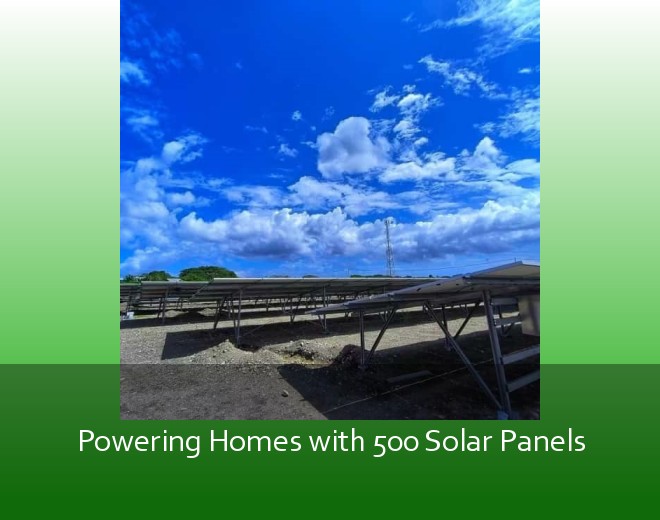
You know what's funny? Most homeowners think 20 panels will solve all their energy needs. But when we're talking commercial-scale 500-panel arrays, the game changes completely. Let's crunch some numbers: A typical 500-module system generates about 250 kW - enough to power 40 average American homes. But wait, no...that's assuming perfect conditions, right?

2000W Solar Kits: Powering Modern Homes
You're tired of unpredictable utility bills and want energy independence. A 2000 watt solar kit typically includes 6-8 solar panels, microinverters, mounting hardware, and sometimes batteries. These systems generate about 8-10 kWh daily - enough to power a refrigerator, LED lights, and essential electronics in an average US home.
4x4 Community Solar Solutions: Powering Homes with Nationaluna Battery Box
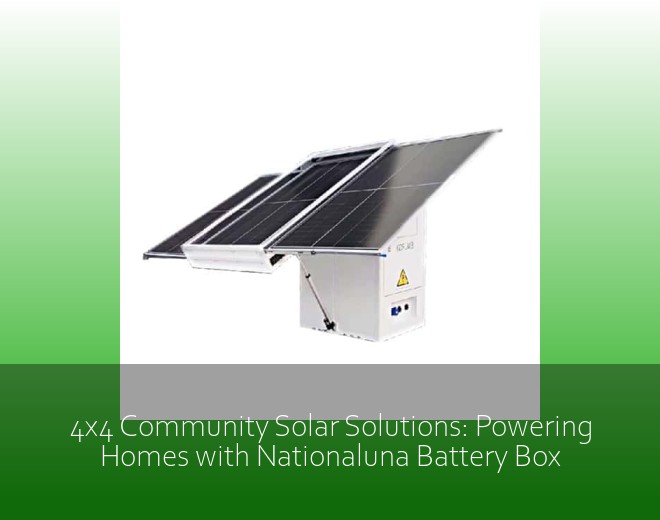
You know what's wild? Over 300 community solar initiatives collapsed in 2023 alone. The culprit? Energy storage gaps that turn daylight abundance into nighttime scarcity. Let's break this down...
Solar Energy Enterprises: Powering a Sustainable Future with Photovoltaic Innovation
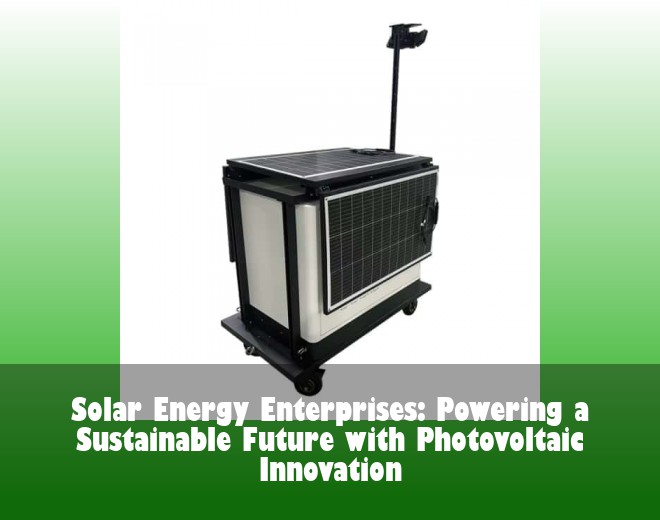
You've probably heard the stats: global energy demand will increase 50% by 2050. But here's the kicker – traditional grids are struggling with basic load management today. Last month's rolling blackouts in California showed how fragile our energy infrastructure really is. Solar enterprises aren't just selling panels anymore; they're redesigning how civilizations harness power.
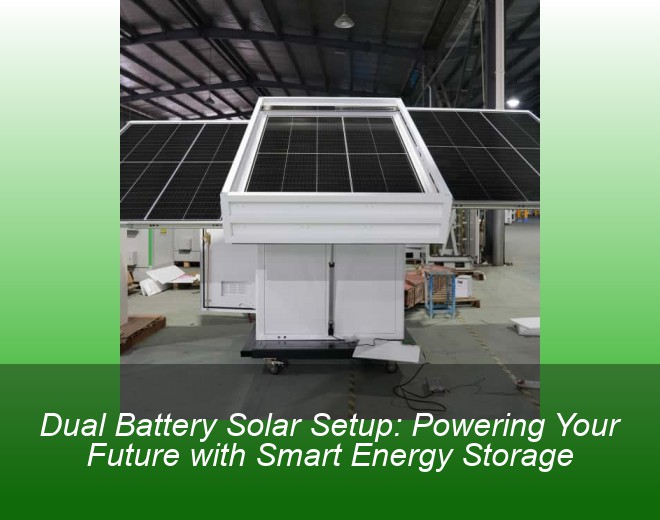
Dual Battery Solar Setup: Powering Your Future with Smart Energy Storage
You know what's worse than a blackout? Wasting solar energy you've already produced. While 68% of solar adopters report energy surplus, the harsh truth is most systems lose 20-30% of this bounty through inefficiencies. That's where a dual battery solar setup changes the game - it's like having both a checking and savings account for your electrons.
 Inquiry
 Online Chat