


15kVA Solar Systems: Energy Independence Made Simple
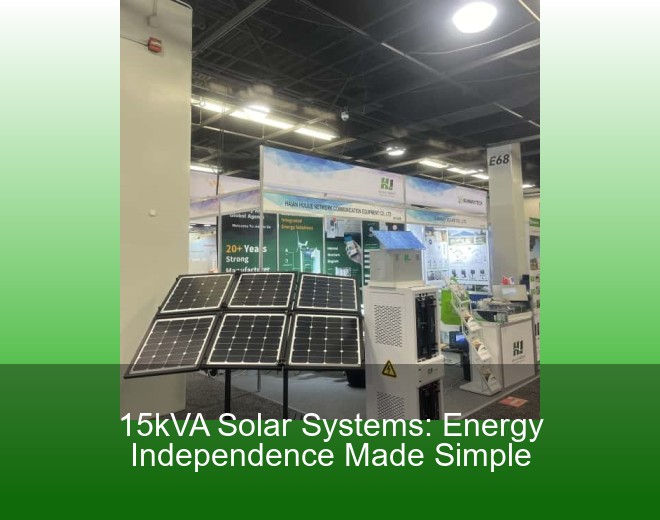
Table of Contents
The 15kVA Sweet Spot: More Than Just Panels
You've probably seen solar panels glittering on rooftops, but what makes a 15kVA system tick? Let's cut through the jargon. This mid-sized setup typically powers 4-6 bedroom homes or small businesses, generating 60-75kWh daily. But here's what most installers won't tell you: panel efficiency matters less than energy storage optimization in real-world conditions.
The Battery Revolution You Can't Afford to Ignore
Remember when lead-acid batteries ruled solar? Those days are gone. Modern 15kVA systems increasingly use lithium iron phosphate (LiFePO4) batteries - they're sort of the Swiss Army knives of energy storage. With 6,000+ charge cycles versus lead-acid's 1,200, they're why today's systems last 15+ years instead of 7. But wait, there's a catch...
"Our Texas clients saw 30% fewer battery replacements after switching to lithium systems in 2023" - Huijue Field Report
When the Grid Goes Dark: A Houston Family's Story
Last February's ice storm left 300,000 Texans powerless. Not the Wilsons. Their 15kVA system with dual solar inverters kept lights on for 9 straight days. Here's how:
- Smart load prioritization (fridge before TV)
- Cloud-predictive charging algorithms
- Emergency power reserve mode
But here's the kicker - their neighbor's same-sized system failed in 48 hours. Why? Battery thermal management differences during sub-zero temps.
Your Wallet vs. The Sun: Crunching Real Numbers
Let's talk dollars. A quality 15kVA system runs $18k-$35k upfront. Seems steep? Consider this:
| Texas electricity rates (2025) | $0.14/kWh |
| Average daily system output | 65kWh |
| Annual savings | $3,300+ |
At current rates, that's a 6-9 year payoff. But with utilities hiking rates 4.7% annually (EIA data), your actual breakeven could be sooner. The real value? Price stability when neighbors face rolling blackouts.
Installation Pitfalls: Lessons From 200+ Deployments
We've seen all the "oops" moments. Here's how to avoid them:
- Never mix panel orientations - it tanks production
- Oversize inverters by 15% for future expansion
- Install critter guards BEFORE birds nest under panels
Arizona homeowner Mia learned #3 the hard way: "Raccoons chewed $2,300 worth of wiring last spring. The guards cost $175 installed."
The Hidden Benefit Nobody Talks About
Beyond savings and reliability, 15kVA systems are quietly reshaping power dynamics. Take California's new virtual power plant programs - participants get paid $1/kWh for feeding surplus energy during peak demand. Suddenly your panels become income generators during heatwaves.
But let's get real - solar isn't a magic bullet. Shading issues, hail damage risks, and maintenance costs exist. The key? Work with certified installers offering at least 10-year performance guarantees. Because when your solar battery cycles 500 times annually, quality isn't optional - it's essential.
So is a 15kVA system right for you? If you're tired of unpredictable bills and want tangible climate action, the answer might just be shining down on your roof right now.
Related Contents
Solar Powered Systems: Energy Independence Made Simple
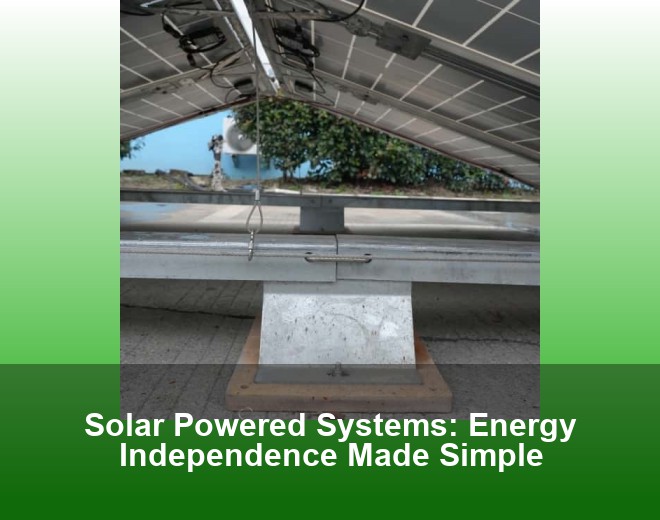
Ever wonder why your electricity bills keep climbing despite using less power? The global energy market saw a 23% price surge in Q1 2025 alone. Traditional grid systems are buckling under climate change pressures and geopolitical tensions - just look at last month's rolling blackouts in California during an unseasonal heatwave.
Solar Power Systems: Energy Independence Made Simple
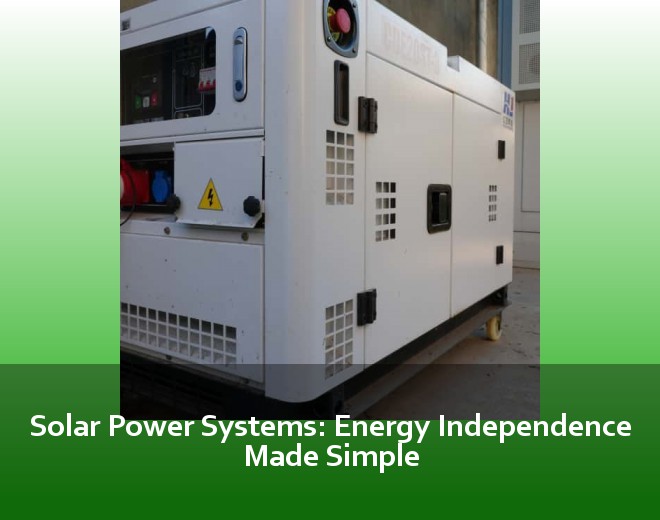
Ever wondered why solar power plants suddenly became the rock stars of energy infrastructure? The answer lies in three converging factors: plunging equipment costs (down 82% since 2010), government incentives, and frankly, some pretty slick battery tech we'll explore later.
Off-Grid Solar Systems: Energy Independence Made Simple
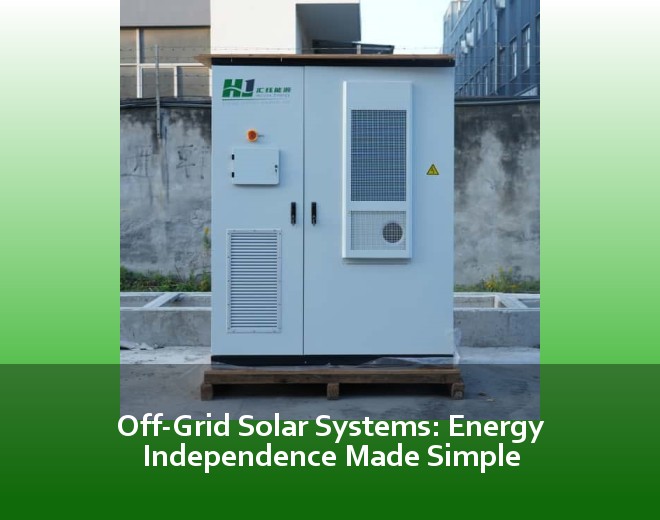
23% of U.S. households experienced at least one power outage lasting 8+ hours in 2024 according to DOE reports. That's where off-grid solar systems transform from luxury to necessity. Unlike grid-tied setups that leave you vulnerable during blackouts, true energy independence means uninterrupted power - whether you're running critical medical equipment or simply keeping groceries frozen during a storm.
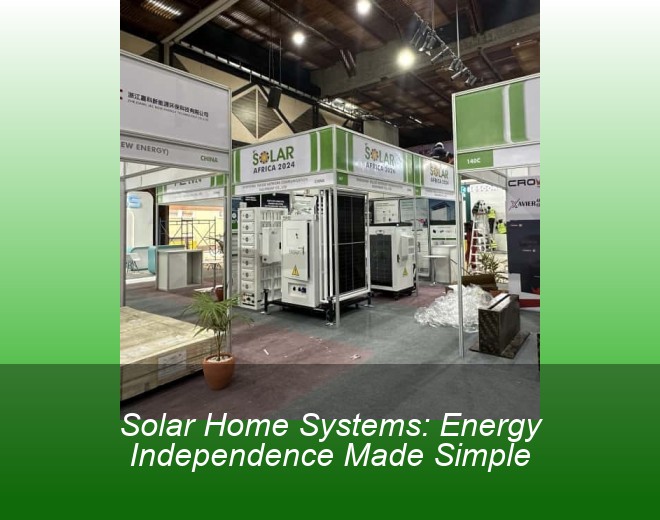
Solar Home Systems: Energy Independence Made Simple
Last winter, the Smith family in Colorado saw their heating costs jump 40% - and they're not alone. Across the U.S., residential electricity prices have increased 15% since 2020. But here's the kicker: solar home systems with battery storage could've saved them $1,200 annually.
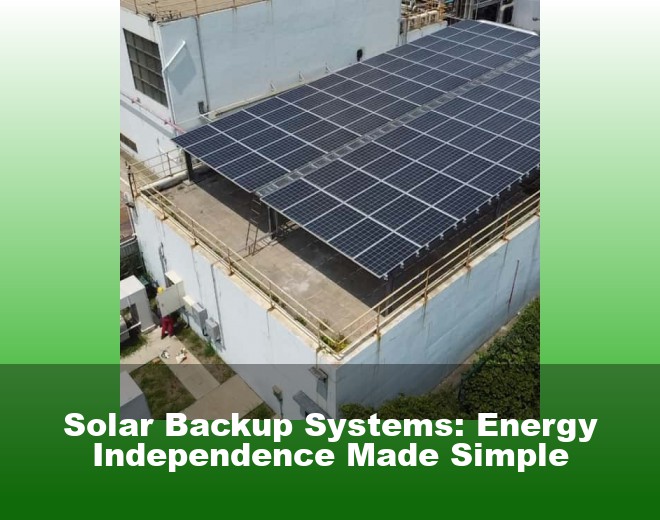
Solar Backup Systems: Energy Independence Made Simple
You know that sinking feeling when the power blinks during a storm? Last February, 12 million Californians felt it simultaneously during rolling blackouts. Traditional generators? They're like using a flip phone in the smartphone era - noisy, polluting, and stuck in the past.
 Inquiry
 Online Chat