


Solar Power Systems for Homes

Table of Contents
Why Solar for Homes Now?
Ever wondered why your neighbor's roof suddenly looks like a solar power plant? Residential solar installations jumped 34% last quarter alone, according to SEIA's latest report. Three factors are driving this surge:
First, electricity prices hit record highs this summer - up 15% nationally since 2022. Second, new battery tech now stores excess energy for nighttime use. Third, the Inflation Reduction Act extended tax credits through 2032. But here's the kicker: modern home solar systems can actually earn money through net metering programs.
The Storage Revolution
Remember when solar only worked during daylight? Lithium-ion batteries changed the game. A typical 10kWh home battery (like Tesla Powerwall) can power essential appliances for 12-24 hours. Pair it with smart load management, and you've got a self-sufficient energy ecosystem.
Key Components Explained
Every solar power system for homes contains three core elements:
- Photovoltaic panels (monocrystalline vs. polycrystalline)
- Inverters (string vs. microinverters)
- Battery storage (lead-acid vs. lithium-ion)
The real magic happens in the balance of system (BOS) components - charge controllers, monitoring systems, and safety disconnects. Take SMA's Sunny Boy inverter: it achieves 98.5% efficiency through innovative transformerless design.
Real Costs & Savings
Let's cut through the hype. A 6kW system (average US home size) costs $16,500 before incentives. After federal tax credits? $11,550. But wait - utility rebates and SREC programs can slash that further. In Massachusetts, homeowners report breaking even in just 4.2 years.
| System Size | Gross Cost | Net Cost |
|---|---|---|
| 4kW | $12,000 | $8,400 |
| 6kW | $16,500 | $11,550 |
| 8kW | $21,200 | $14,840 |
But here's what nobody tells you: panel degradation. Premium modules lose only 0.3% efficiency annually versus 0.8% for budget options. That difference adds up to 12% more power over 25 years.
Installation Demystified
Contrary to popular belief, going solar doesn't require rebuilding your roof. Most installers use non-penetrating mounts that attach to existing rafters. The real challenge? Local permitting. In Phoenix, approvals take 2 weeks. In Chicago? 8 weeks minimum.
"Our crew completed a 12kW installation in Austin last month - from contract signing to grid connection in 23 days flat." - SolarCity Project Manager
Roof vs. Ground Mounts
South-facing roofs generally yield optimal production. But ground-mounted systems? They can generate 15% more power through adjustable tilt angles. Perfect for properties with acreage or shading issues.
Long-Term Maintenance Tips
Think solar systems are maintenance-free? Think again. Dust accumulation can reduce output by 7% monthly in arid regions. A simple hose rinse restores performance. More critically, inverter replacements typically occur at 12-15 years - a cost often overlooked in ROI calculations.
Winter Performance Myths
Surprisingly, solar panels actually work better in cold weather! The catch? Shorter daylight hours. Snow accumulation matters less than you'd think - modules heat up enough to shed most snow automatically.
California Success Story
Meet the Hernandez family in San Diego. Their 8.2kW system with two Powerwalls survived 14 grid outages last year. During the September heatwave, they sold excess power back to SDG&E at $0.78/kWh - triple the standard rate. Total annual savings: $2,800.
But here's the rub: their system cost $24,000 after incentives. Would you make that investment? For many Californians facing regular blackouts, the answer's becoming clear as day.
As we head into 2024, new thin-film photovoltaic technology promises 30% efficiency gains. Combined with vehicle-to-grid charging, tomorrow's home solar solutions might power both your house and EV seamlessly. The future's bright - but only if we harness it wisely.
Related Contents
Solar Power Systems for Modern Homes
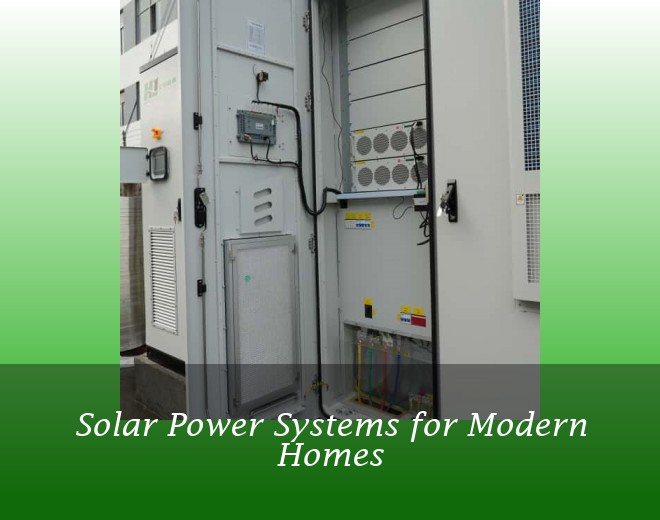
Let's cut through the sunshine hype. While solar electricity adoption grew 35% globally last year, nearly 1 in 4 homeowners report buyer's remorse within 18 months of installation. Why? Because nobody warned them about Texas-sized hailstorms shredding panels or battery storage systems that conk out during heatwaves.
Harnessing Solar Power: The Complete Guide to 9V Solar Panels with Battery Systems
Ever found yourself stranded with dead devices during a camping trip? That's where 9-volt solar battery systems become game-changers. Unlike their bulkier 12V cousins, these compact units have seen a 15% surge in adoption since 2022 according to REA's latest market report. But why the sudden hype?
Solar Power Systems for Modern Homes
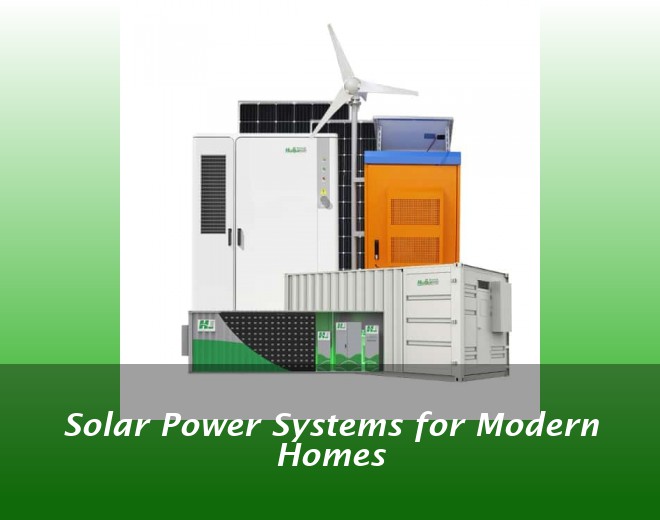
traditional electricity bills are eating into household budgets like never before. But what if I told you there's a way to slash your bills while reducing carbon footprint? Residential solar systems have become 43% more efficient since 2020, with panel prices dropping to $2.41 per watt as of March 2025.
Residential Solar Power Systems: Cutting Energy Costs with Smart Home Solutions
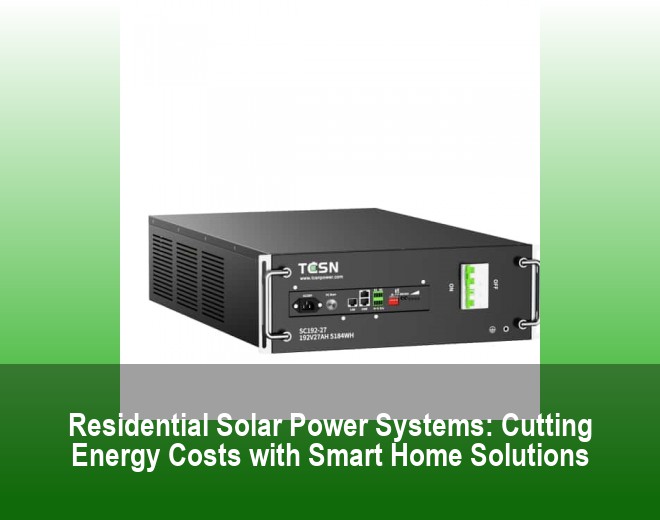
Did you know the average American household spends $2,800 annually on electricity? That's more than double what we paid in 2004 when adjusted for inflation. The kicker? Utility rates keep climbing at 3.2% annually while solar panel costs have plummeted 72% since 2010. It's like watching a slow-motion train wreck - unless you've got an escape plan.
Chloride Exide Solar Batteries 100Ah: Reliable Energy Storage for Modern Solar Systems
Ever wondered why some solar installations outperform others by 30-40% annually? The secret often lies in their energy storage backbone. As global solar capacity surges past 1.6 terawatts this year, the real challenge isn't generating power - it's storing it effectively when clouds roll in or the sun dips below the horizon.
 Inquiry
 Online Chat