


Solar Electricity Business Revolution
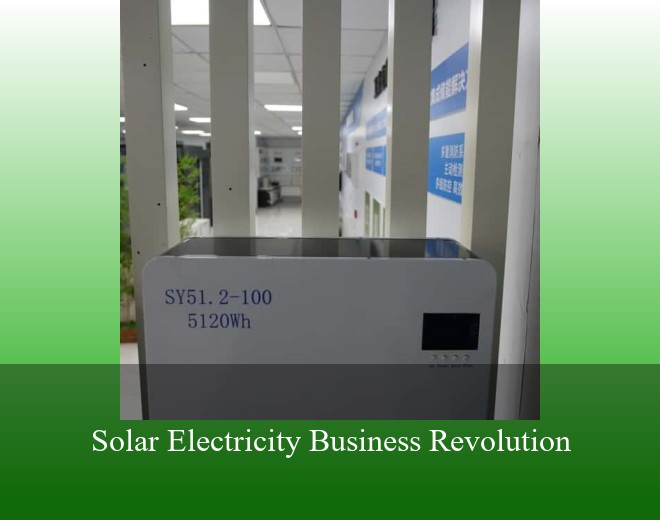
Table of Contents
Why Solar Energy Now?
traditional power grids are bursting at the seams. With global electricity demand projected to jump 50% by 2040 (BloombergNEF data), something's gotta give. Solar isn't just about saving polar bears anymore - it's becoming the backbone of modern energy infrastructure.
Here's the kicker: The average cost of utility-scale solar has plummeted 89% since 2010. But wait, doesn't that mean everyone's already switched? Not exactly. The real challenge lies in storage and distribution - two areas where photovoltaic innovation is rewriting the rules.
The Duck Curve Dilemma
California's energy operators noticed something weird - solar panels create too much power at noon and none at dinner time. This "duck curve" phenomenon causes price volatility that could bankrupt traditional utilities. The solution? Smart battery systems that store sunshine like canned peaches.
The Storage Problem Nobody Talks About
You know what's worse than no solar power? Having solar power you can't use. Modern battery energy storage systems (BESS) need to handle three crucial tasks:
- Time-shifting energy (day to night)
- Providing emergency backup
- Stabilizing grid frequency
Most commercial batteries today handle about 4,000 charge cycles. At Huijue Group's lab in Shenzhen, we've pushed lithium iron phosphate (LFP) batteries to 8,000 cycles while maintaining 80% capacity. That's like powering your home for 22 years instead of 11!
A Personal Wake-Up Call
Last monsoon season, I visited a solar farm in Gujarat that lost ₹3.8 crore worth of energy in 72 hours - their flooded lead-acid batteries became aquatic relics. That's when it hit me: We're not just selling batteries - we're selling climate resilience.
New Battery Tech Changing the Game
While everyone obsesses over energy density, smart operators focus on round-trip efficiency. Why? Because losing 20% in storage turns your $0.03/kWh solar into $0.036/kWh. Multiply that across terawatt-hours and you've got real money.
Take Tesla's Megapack installations in Texas - they're achieving 92.5% efficiency using nickel-manganese-cobalt (NMC) chemistry. But here's the rub: Cobalt's ethical sourcing issues make Elon Musk sweat more than Cybertruck deadlines. That's why Chinese manufacturers are leading the charge with cobalt-free LFP alternatives.
The Vanadium Comeback
Remember flow batteries from the 1980s? They're back, baby! Vanadium redox systems now provide 20,000+ cycle lifespans perfect for grid-scale storage. Dalian's new 800MWh installation proves this tech can power entire industrial parks through week-long typhoons.
How Solar Businesses Actually Make Money
Contrary to popular belief, solar companies aren't getting rich selling electrons. The real cash flow comes from:
- Virtual Power Plants (VPPs)
- Frequency regulation services
- Carbon credit arbitrage
Take Australia's Sun Cable project - it's basically an energy version of the Silk Road, planning to export Singapore's sunlight via 4,200km undersea cables. The economics work because desert solar costs A$30/MWh versus Singapore's gas-powered A$150/MWh.
The Community Solar Surprise
In Minnesota, 10,000 households now share a single 5MW solar farm through a cooperative model. Participants save 15% on bills without rooftop installations. It's like Netflix for solar - you don't own the content, just enjoy the benefits.
When Solar Saved the Day
Puerto Rico's LUMA Energy crisis shows why solar electricity business models matter. After Hurricane Maria, Tesla's solar microgrids powered entire hospitals while the main grid was down for 11 months. Now 43% of Puerto Rican homes have solar+storage - the highest penetration in any US territory.
But here's the twist: Solar installers make more money from maintenance contracts than initial sales. With typical systems needing servicing every 5-7 years, it's become a $12 billion annuity business in America alone.
The Dark Side of Sunshine
Not all that glitters is green. Arizona's Palo Verde nuclear plant actually pays solar farms to reduce output during peak generation hours. Why? Too much midday solar destabilizes the grid. This negative pricing phenomenon exposes the urgent need for better energy storage solutions.
As we navigate this solar revolution, remember: The future belongs to those who can store photons as effectively as they capture them. The solar electricity business isn't just about panels anymore - it's about building the intelligence to harness sunlight's full potential.
Related Contents
Solar Panel Electricity Revolution
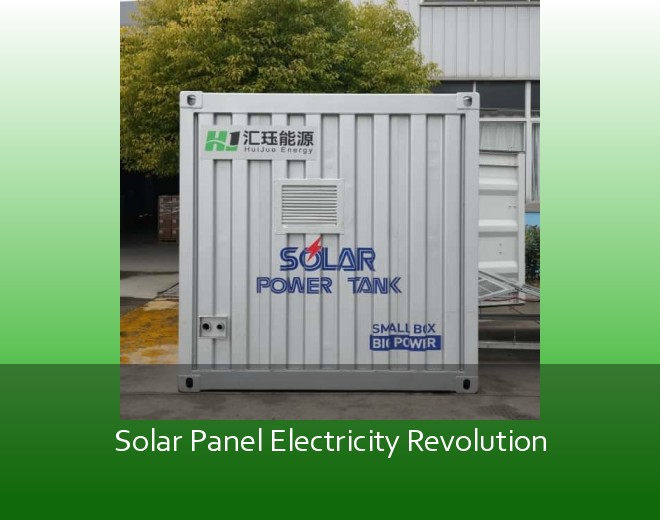
Ever opened your electricity bill and felt that sinking feeling? You're not alone. Global residential electricity prices have surged 62% since 2020 according to World Bank data. But here's the kicker - while we're paying more, solar panel electricity generation costs have dropped 89% in the same period. Crazy, right?
Solar Smart Business Revolution
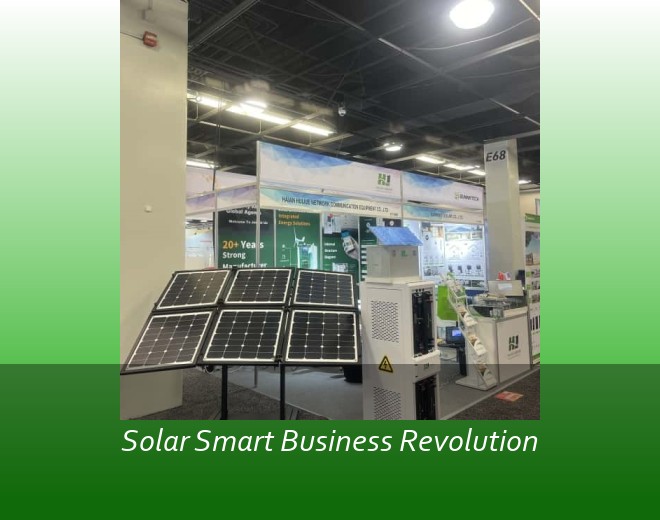
You know how everyone's talking about solar panels these days? Well, here's the kicker - basic solar setups aren't cutting it anymore. With electricity prices swinging like a pendulum (up 14% nationally last quarter according to EIA data), businesses need systems that think, not just collect sunlight.
Raylite R-Solar RR2 96Ah-C20 Battery: 2024 Solar Storage Revolution
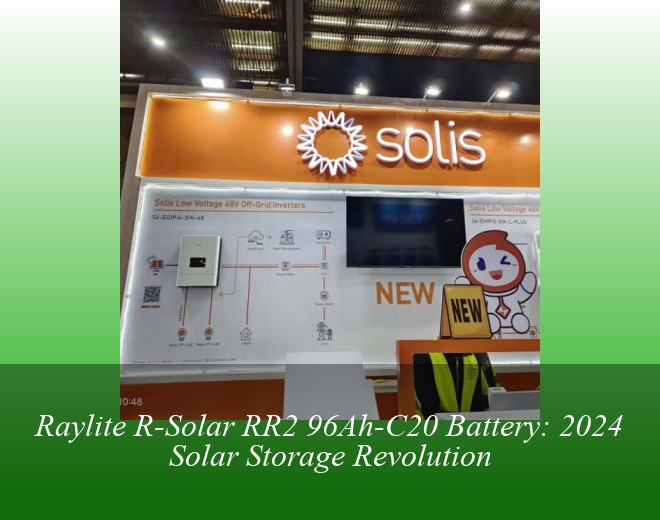
You've probably seen the C20 rating on solar batteries, but what does it really mean for your off-grid system? Let's cut through the marketing speak. The Raylite R-Solar RR2's 96Ah at C20 rating isn't just a number - it's a survival guarantee.
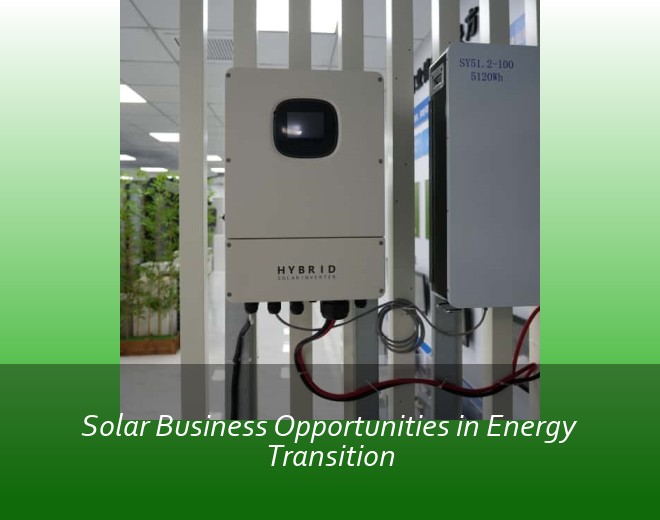
Solar Business Opportunities in Energy Transition
our energy grids are creaking under climate pressures. With 68% of global electricity still from fossil fuels, solar isn't just an alternative anymore; it's becoming the backbone of power systems. The International Energy Agency reports solar PV capacity must triple by 2030 to meet climate goals.
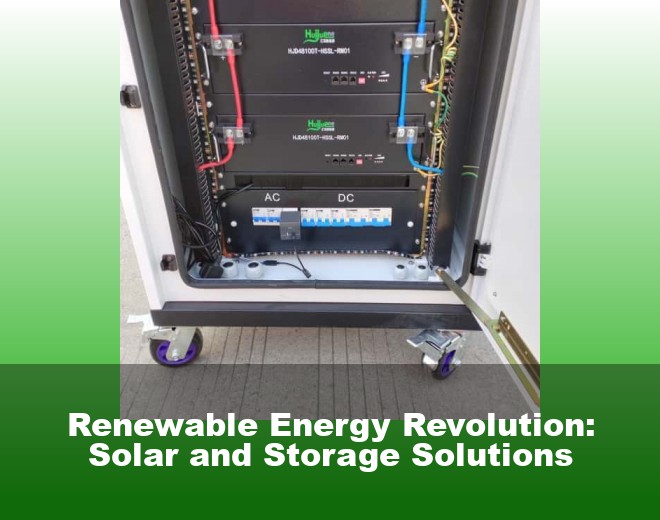
Renewable Energy Revolution: Solar and Storage Solutions
You've probably heard the hype about renewable energy sources – they're clean, abundant, and supposedly the future. But why aren't we seeing faster adoption? The truth is, transitioning from fossil fuels feels like trying to change the engines on a 747 mid-flight.
 Inquiry
 Online Chat