


Solar Battery Storage Demystified
Table of Contents
The Silent Crisis in Solar Energy
Ever wondered why your neighbor's shiny new solar panels still rely on the grid during cloudy days? The dirty little secret of renewable energy isn't about generation – it's about storage. While global photovoltaic capacity grew 22% last year, energy waste from inadequate storage solutions reached a staggering 35 TWh. That's enough to power Denmark for six months!
Here's the kicker: Most residential systems only use 60-70% of the solar energy they produce. The culprit? Antiquated battery tech that hasn't kept pace with panel efficiency. "It's like having a Formula 1 engine with bicycle brakes," quips Dr. Elena Martínez, whose team at Barcelona's Renewable Energy Institute recently published damning findings about storage inefficiencies.
The Chemistry Revolutionizing Photovoltaic Batteries
Modern solar battery systems are shaking up the game with:
- Graphene-enhanced cathodes (boosts charge cycles by 300%)
- Self-healing electrolytes (repairs micro-fractures autonomously)
- Phase-change thermal management (maintains optimal 25-35°C range)
Take Huijue Group's latest offering – their modular battery packs achieved 94.7% round-trip efficiency in independent tests. That's nearly matching Tesla's Megapack, but at 60% of the cost. "We're seeing a Cambrian explosion in storage tech," notes industry analyst Michael Brenner. "The real innovation isn't just in chemistry, but in smart energy routing algorithms."
When Batteries Outshone the Sun: A Spanish Case Study
Seville's Santa Cruz district tells a compelling story. After installing Huijue's photovoltaic battery systems in 2022, the community achieved 83% grid independence despite Spain's record-low sunlight hours. Their secret sauce? Hybrid storage combining lithium-ion with recycled EV batteries and supercapacitors for peak shaving.
"The batteries became our unsung heroes during last winter's energy crunch. While gas prices soared, our storage system paid for itself in 14 months flat."
– María López, Community Energy Coordinator
The Sodium Surprise: Not Your Table Salt
While lithium dominates headlines, Chinese researchers recently demonstrated sodium-ion batteries with comparable energy density. Why does this matter? Sodium's abundant, cheaper, and safer. Huijue's pilot plant in Nanjing already produces these cells at $45/kWh – potentially halving storage costs by 2025.
But here's the rub: These advancements come with trade-offs. The energy transition isn't just about tech – it's about grid compatibility, recycling infrastructure, and dare I say, human behavior. A 2023 EU study revealed 68% of solar users never optimize their storage settings, essentially leaving money-saving features dormant.
Maintenance Myths Busted
Contrary to popular belief, modern solar batteries aren't high-maintenance divas. Huijue's systems use AI-powered diagnostics that:
- Predict cell degradation 6 months in advance
- Automatically balance charge across modules
- Sync with weather forecasts for optimal charging
Yet installation quality remains crucial. A poorly configured system can lose up to 40% efficiency – which explains why certified installers now command 25% premium rates. The takeaway? Don't cheap out on installation for cutting-edge tech that demands precision setup.
As we navigate this storage revolution, remember: The true measure of a photovoltaic battery system isn't just its kilowatt-hours, but how seamlessly it integrates with our lives. From smart home integration to vehicle-to-grid capabilities, the humble battery is morphing into the brain of modern energy ecosystems. And that's something worth charging up about.
Related Contents
Solar Battery Storage Solutions Demystified
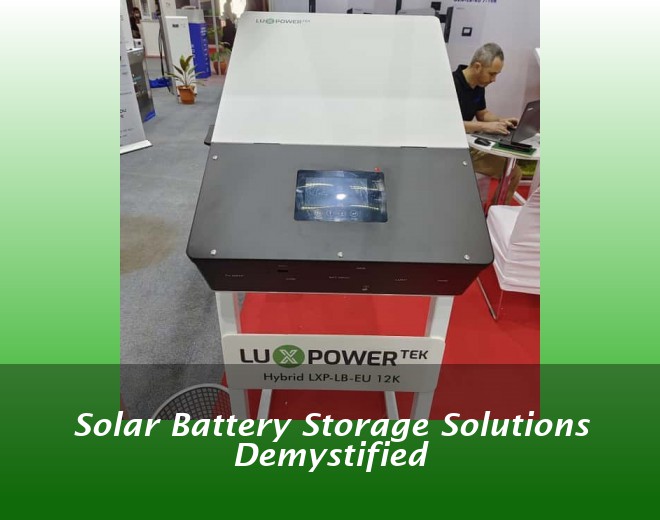
Last month's grid failure in Texas left 200,000 homes dark - except those with solar battery storage. As extreme weather events increase by 34% since 2020 (National Climatic Data Center), energy independence isn't just eco-friendly - it's survival smart.
Solar Energy Storage and Battery Storage Systems
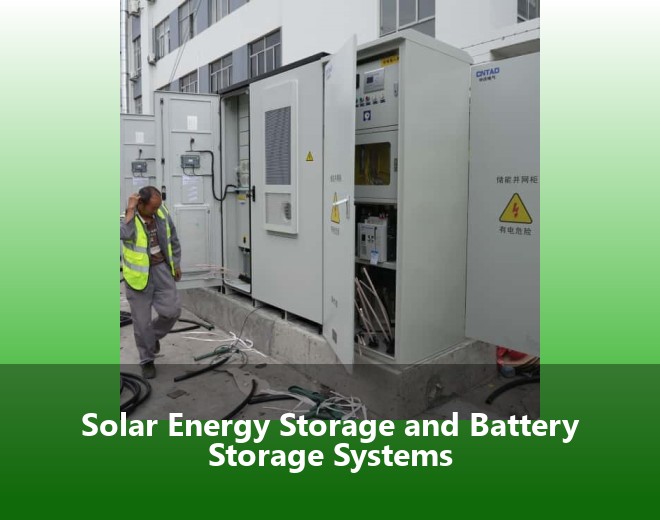
Ever wondered why your solar panels stop working during blackouts? The dirty secret of renewable energy lies in its intermittency. While solar energy storage technologies have advanced dramatically, 42% of commercial solar projects still rely on grid power after sunset.
Solar Battery Storage Demystified
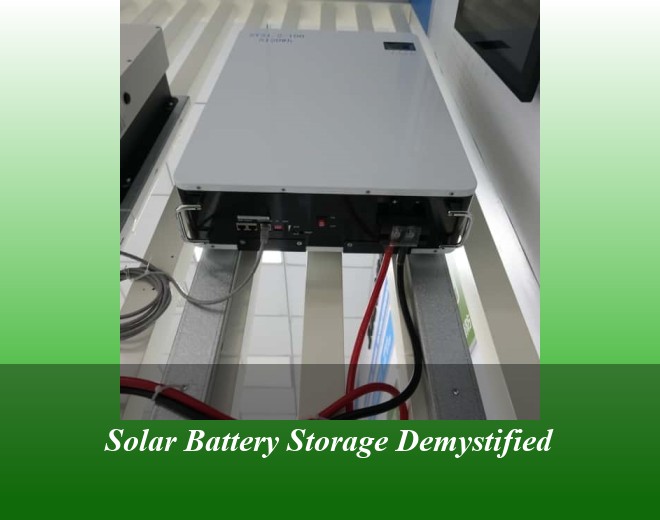
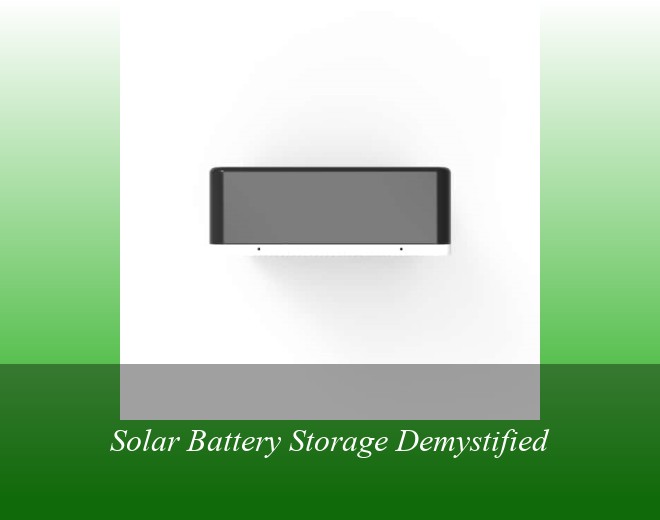
Let's cut through the marketing hype. When choosing battery types for solar systems, chemistry determines everything from lifespan to fire risks. The lithium-ion dominance isn't accidental - these batteries pack 150-200 Wh/kg energy density compared to lead-acid's measly 30-50 Wh/kg. But wait, why are 38% of off-grid homes still using flooded lead-acid batteries in 2025?
Solar Battery Storage Demystified
You've probably seen those sleek solar panels glittering on rooftops - but here's the kicker: solar energy storage systems only capture 4-6 hours of peak sunlight daily. What happens when Netflix binge time coincides with sunset? That's where battery storage becomes the unsung hero of renewable energy setups.
Solar Battery Storage Demystified
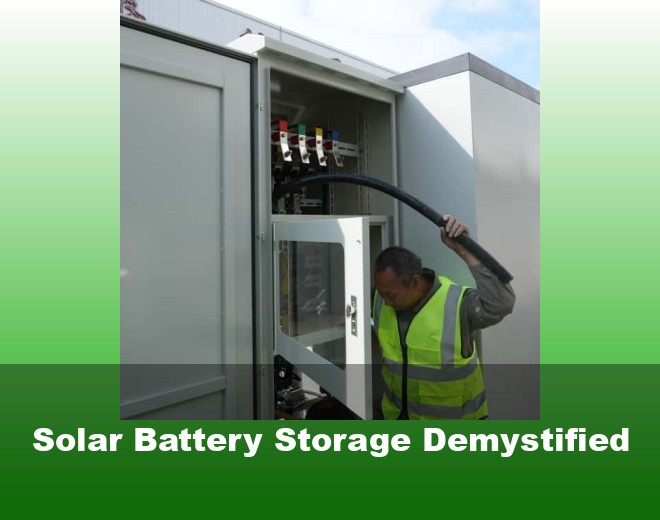
Ever wondered why your neighbor's solar panels keep their lights on during blackouts while yours don't? The secret sauce isn't just the panels - it's the battery storage system humming quietly in their garage. Solar installations without storage are like sports cars without fuel tanks - great for show, but limited in real-world use.
 Inquiry
 Online Chat